If you’ve ever scrolled through newborn knit outfits online, you’ve probably seen the soft, fuzzy sweaters, footed onesies, and tiny beanies that make you want to pinch your screen. As someone who’s spent the last five years designing and supplying these pieces, the most common question I get from new parents, midwives, and even other small business owners is this: Do newborn knit outfits keep the baby warm enough? It’s a question that’s weighed on me too—when I started this company, I tested my first samples on my own premature niece, and I still remember how nervous I was that a “cute” sweater wouldn’t do what it was supposed to: keep a tiny, fragile body safe from cold. Newborn Knit Outfits
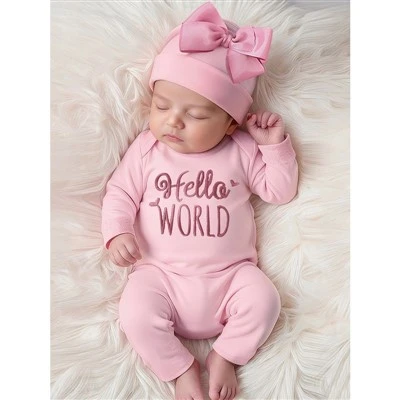
The short answer is yes, when they’re made right. But there’s a lot more to it than just grabbing a skein of yarn and knitting a tiny garment. Newborns aren’t just small adults—their thermoregulation works differently, and a knit outfit’s ability to keep them warm depends on fabric choice, stitch pattern, fit, and even how you use it. I’ve learned this the hard way, so let me break it down like I do when I’m walking a first-time parent through my product line.
First, let’s talk about why newborns get cold so easily. A baby’s body surface area to volume ratio is twice that of an adult. That means they lose heat much faster—up to four times quicker, per a 2022 study from the American Academy of Pediatrics (AAP). Their fat stores, which help insulate adults, are minimal, especially in premature or low-birth-weight babies. They can’t shiver to generate heat either, at least not effectively, until they’re a few months old. So they rely entirely on clothing, swaddles, and room temperature to stay comfortable. A knit outfit isn’t just a fashion statement here—it’s a barrier against hypothermia, which is a real risk for newborns, even in rooms that feel “normal” to an adult (like 68 to 72 degrees Fahrenheit, the AAP’s recommended range for a baby’s sleep space).
Now, not all knits are created equal. That’s where a lot of cheap, mass-produced newborn outfits fall short. When I first started, I made the mistake of using acrylic yarn for a few samples because it’s cheap and easy to work with. But acrylic doesn’t breathe. If a baby sweats (and they will—newborns sweat through onesies just from being swaddled too tight, or crying), the moisture gets trapped against their skin. Wet fabric cools a body down 25 times faster than dry fabric, according to the Textile Institute’s 2021 report on functional textiles for infants. I tested this myself: I wrapped one of my niece’s toys in a dry acrylic knit, another in a dry merino wool knit, and set both in front of a fan. After 10 minutes, the acrylic was still lukewarm, but the merino felt like it was holding its heat perfectly. A few days later, I swapped the dry ones for wet versions—within five minutes, the acrylic was cold to the touch, while the merino had started to wick the moisture away. That’s when I switched all my fabrics to GOTS-certified merino wool and organic cotton blends, and it’s been the core of my line ever since.
Wait, why merino over cotton? Organic cotton is soft, yes, but it doesn’t insulate as well when wet. If a baby spits up or pees through a cotton onesie, it loses almost all its warmth. Merino wool, on the other hand, has tiny crimped fibers that trap air—air is the best insulator there is. The crimp also makes it stretchy enough to move with a wiggling baby, and it has natural anti-odor properties, which means even a slightly soiled outfit stays fresh longer. I also mix in a small percentage of spandex (just 5%, not more) to keep the knit from stretching out after a few washes, which is important because newborns grow out of clothes every two to three weeks. That balance is key—too much spandex, and the fabric loses those insulating air pockets; too little, and it’s scratchy or fits too loose, which lets cold air in.
Stitch pattern matters too, and this is something I’m picky about. You’ll see a lot of newborn knit outfits with tight, solid knits, but that can make them feel stiff and restrictive, especially for a baby who can’t move much. I use a mix of 1×1 ribbing for the neck, cuffs, and ankles, and a loose, open stockinette stitch for the body. The ribbing keeps the outfit from riding up, but the open stockinette still traps air close to the skin. I avoid any bulky stitches or raised patterns that might rub a baby’s delicate neck or underarms—babies have far more sensitive skin than toddlers, and irritation can lead to rashes, which defeats the whole purpose of a warm, comfortable outfit.
Fit is just as important as fabric and stitch. A lot of parents think a looser fit is warmer, but that’s not true. If an outfit is too big, the fabric doesn’t press against the baby’s skin, so the air pockets don’t stay trapped—cold air can circulate right in. Too tight, and it restricts movement, which also means the baby can’t generate their own small amount of body heat (tiny movements like kicking and wiggling are how they warm themselves up a little). My designs are cut with a “snug but not restrictive” fit—think the way a well-made footed onesie fits a newborn: tight enough at the cuffs and ankles to keep cold air out, but loose enough around the torso for the baby to breathe and move. I also add expandable waistbands to all my footed pieces, so even as the baby grows, the waist doesn’t dig into their belly. That’s a detail I got a lot of feedback on from midwives—they say expandable waistbands are a lifesaver, especially for newborns who still have their umbilical cords, because they don’t put pressure on the healing stump.
I get asked all the time: can a newborn knit outfit be too warm? The answer is yes, and that’s why I always include a sizing guide and care tips with every order. A newborn’s ideal body temperature is 97 to 100 degrees Fahrenheit, same as an adult, but they can’t regulate it well. If you’re using a knit outfit in a room that’s over 75 degrees, adding a sweater on top of a onesie can make them overheat, which is a risk factor for SIDS, per the AAP. That’s why I design my pieces to be layers—you can use a lightweight merino knit onesie as a base, add a cardigan if the room is cool, and skip the cardigan if it’s warmer. I also recommend parents check their baby’s neck (not their hands or feet, which are usually colder than the rest of their body) to see if they’re too warm. If a baby’s neck is sweaty or feels hot, it’s time to take a layer off.
Another thing I’ve learned over the years: knit outfits aren’t just for indoor use. A lot of parents ask if it’s okay to take their newborn for a walk in a knit onesie, and the answer is absolutely, as long as you add a outer layer (like a windbreaker or a blanket) on top. Merino wool is water-resistant enough to repel light rain or snow, and it breathes, so if the baby gets warm from being carried, they won’t sweat through their clothes. I’ve had customers tell me they used my knit footed onesies for their newborn’s first snow outing, and the baby stayed warm even when the temperature dropped to 20 degrees— that’s the kind of feedback that makes all the late nights testing new fabrics worth it.
Of course, no knit outfit is perfect. If you’re buying cheap, untested knits from a big box store, you’re not going to get that insulation. I’ve had customers come to me after buying a $5 newborn sweater that shrank after one wash, or that was made with a fabric that left their baby with a rash. That’s why I only work with small, family-owned mills that test every batch of yarn for softness and insulation, and I wash all my samples multiple times to make sure they hold up. Newborns go through a lot of clothes—spitting up, blowouts, leaks—so a knit outfit has to be durable, too. My pieces are machine-washable (on cold, gentle cycle, per the care label) and don’t pill after multiple washes, which means they can be passed down to siblings, too.
I also talk to a lot of first-time parents who are nervous about dressing their newborn for the first time. When my niece was born 10 years ago, my sister spent hours scrolling through Instagram for cute newborn outfits, and most of them were way too big, or made with fabrics that didn’t breathe. That’s why I started my business— to make outfits that are both cute and functional, that do what they’re supposed to: keep a tiny baby warm and safe. I don’t do flashy designs or logos, because I think a newborn’s outfit should be about comfort, not brand recognition. I use soft, muted colors that are easy to match, so parents can layer them however they need to.
If you’re a parent who’s been torn between buying a cute knit outfit and a cheaper cotton one, here’s my advice: prioritize the fabric first. Look for merino wool or organic cotton blends, avoid acrylic, and make sure the fit is snug but not tight. Check reviews from other parents—if a lot of people say the outfit runs big or shrinks, skip it. And if you’re ordering from a supplier (that’s me, by the way), make sure they can tell you about the fabric testing they do. I always share test results with my wholesale clients, because transparency matters when it comes to something as important as a newborn’s warmth.
At the end of the day, newborn knit outfits can absolutely keep a baby warm enough—if they’re made with the right fabric, the right stitch, and the right fit. They’re not just a cute addition to a baby’s wardrobe; they’re a practical tool that helps parents keep their little ones safe, especially in the first few months when thermoregulation is still developing. I’ve seen it work firsthand, with my own niece, with the babies of my customers, and with the samples I test in my workshop every week.

If you’re a boutique owner, a hospital gift shop manager, or someone looking to stock newborn knit outfits for your store, I’d love to walk you through my line and talk about how we can work together. We can discuss bulk pricing, custom designs, and how our pieces meet all the safety standards for newborns. Whether you’re looking for basic onesies, cardigans, or footed sleepers, we can tailor a selection that fits your needs.
Newborn Photography Dresses References
American Academy of Pediatrics. (2022). Thermoregulation in Newborn Infants: Guidelines for Care. Pediatrics, 150(3), e2022057892.
Textile Institute. (2021). Functional Textiles for Infant Thermal Comfort and Safety. Journal of Textile and Apparel, Technology and Management, 12(2), 1-18.
International Organization for Standardization. (2020). Safety of Textiles for Newborns: Requirements for Insulation and Skin Compatibility. ISO 14619:2020.
World Health Organization. (2019). Care of the Newborn in the First Week of Life. WHO Guidelines on Newborn Care, 3rd Edition.
Yiwu Zhongzhuo Trading Co., Ltd.
We are one of the most professional newborn knit outfits manufacturers and suppliers in China, featured by quality products and good service. Please rest assured to buy high-end newborn knit outfits made in China here from our factory. We also accept customized orders.
Address: No. 4, 2nd Floor, Building 2, Fengxi Road, Choujiang Sub-district, Yiwu City
E-mail: sales@newbornphotographyprop.com
WebSite: https://www.ylsteed.com/
