If you’ve ever shopped for heavy-duty bags, laptop cases, or outdoor gear, chances are you’ve spotted 1680D cationic oxford fabric thrown into product descriptions. As a fabric supplier that works with this stuff every single day, I get tons of questions from customers new to it: “Do I need to baby this material? Is it high-maintenance?” Spoiler alert: It’s not as fussy as silk or a fancy wool coat, but cutting corners on care will seriously shorten its lifespan. Let’s break this down like I would when I’m on a call with a new client, no stuffy industry jargon here. 1680D Cationic Oxford Fabric

First, let’s get the basics straight because a lot of people mix up 1680D cationic oxford with regular oxford, and that mistake leads to bad care habits. The “1680D” part refers to denier, right? That’s the measure of fiber thickness, basically. A higher number means a thicker, tougher fiber—1680D is way sturdier than the 600D stuff you see in cheap duffels. Then there’s the “cationic” twist: this is what differentiates it from standard polyester oxford. Cationic fabrics use special dyes that bond tighter to the fiber, so the color doesn’t fade easily when you wash it… but that same tight bond makes it sensitive to certain chemicals that regular polyester can handle no problem. That’s the core of the care rules, right there. Most of the “special care” myths come from people trying to wash it like a cotton t-shirt or a cheap jacket, and ruining the cationic finish or weakening the fibers.
Let’s start with the biggest thing people mess up: washing. I’ve had a client bring back 10 laptop covers made from our 1680D cationic oxford because they washed them in a regular load with bleach and red wine, and the whole material faded to a weird, splotchy pink. Bleach is the enemy here, full stop. Cationic dyes react with chlorine bleach in a way that strips the color unevenly, and even a tiny splash from a bottle of laundry bleach (if you accidentally use it on whites) will cause permanent discoloration. Also, skip the fabric softeners? Wait, no—wait, let me clarify that. Fabric softeners work by coating fibers to make them feel softer, but that coating will clog the tiny gaps in the woven 1680D fiber, which is what makes it water-resistant. Most of our 1680D cationic oxford has a PU or PVC backing, right? Fabric softener gunk will build up on that backing over time, make it peel, and kill the water-repellent property. That’s not just a fabric quirk—that’s a structural issue.
Now, how should you wash it, if you absolutely have to? Most of the time, spot cleaning is all you need. For dirt, coffee stains, or grime on gear, just mix a tiny bit of mild dish soap (the one you use for washing dishes, not the heavy-duty degreaser) with cold water, dab it on with a soft cloth, don’t rub—rubbing will fray the woven edges, especially if the stain is stuck in a crease. If you do need to machine wash, don’t overdo it. Only wash it on a gentle cycle, cold water, no more than once every 3-6 months. Throw it in a mesh laundry bag to keep it from rubbing against zippers or buttons on other clothes—those can snag the 1680D fibers and cause pulls. And for the love of all things gear, don’t put it in the dryer. Heat is the other big enemy here. 1680D cationic oxford has a synthetic core, and high heat from a dryer will make the fibers shrink, warp, or even melt a little around the seams. If you need to dry it, hang it up in a cool, shaded area—never in direct sunlight, even if you want it to dry fast. Direct sun can fade the cationic dye over time, which is the whole reason we use cationic in the first place, right? Regular polyester might fade a little, but cationic is made to hold color, so sun exposure is the only thing that messes that up consistently.
Wait, what about other common things? Stains that are extra stubborn, like grease from a bike chain or ink from a pen? I’ve seen people use rubbing alcohol on this, and that’s a mistake too. Rubbing alcohol is too harsh for the cationic finish—it can break down the dye and leave a pale, almost white mark that never goes away. For grease, grab a tiny bit of cornstarch, sprinkle it on the stain, let it sit for 20 minutes to soak up the oil, then brush it off. If it’s still there, use a little mild dish soap, dab it, and repeat. For ink, skip the rubbing alcohol—just use a cotton swab dipped in cold water and mild soap, and dab gently. Again, no rubbing. That’s a key rule for any woven fabric, especially heavy-duty stuff like 1680D.
Another thing people don’t talk about a lot: storage. If you’re storing a bag or a gear made from this fabric for a long time, don’t just cram it in a closet with mothballs or a plastic bin. Mothballs have strong chemicals that will break down the cationic dye and weaken the fibers over months. Plastic bins trap moisture too—if there’s any leftover dirt or moisture in the fabric, mold will grow, and that’s impossible to get out. Instead, store it in a cotton bag, like the ones you get with high-end luggage, in a cool, dry closet. If you have to put it in a bin, line the bin with a cotton sheet to let air circulate. That’s a small thing, but it’s made a big difference for customers who hold onto their gear for 5+ years instead of 2.
Now, let’s address the myth that this fabric is super high-maintenance. I get it—if you’re used to washing cotton every week and tossing it in the dryer, switching to 1680D cationic oxford feels like a chore, but it’s really not that bad. The “special care” isn’t some fancy ritual; it’s just avoiding a few easy mistakes that most people make without even realizing. Compare it to a nice pair of work boots: you don’t wash them every week, you spot clean, you don’t throw them in the dryer, and they last forever. That’s exactly this fabric.
I’ve seen first-hand how good care can make this fabric last. We had a customer who makes custom camera bags, and he uses our 1680D cationic oxford for the outer layer. He told me he has a bag that’s been in heavy daily use for 6 years, and the color is almost as bright as the day he got it, and the water repellency still works. He follows exactly the tips I just mentioned: spot cleans most stains, washes once a year on gentle, hangs it to dry, stores it in a cotton bag when he’s not using it. On the flip side, another customer used the same fabric for duffels, washed them every two weeks in hot water with bleach, and they started fading and peeling the backing after 8 months. That’s the difference between a little care and none.
Wait, one more thing: what about ironing? Some people might think to iron a bag if it gets wrinkled, but don’t. The synthetic fibers in 1680D will melt if you use a hot iron, and even a low heat setting can warp the weave. If you need to smooth it out, hang it in a bathroom while you take a hot shower—the steam will loosen the wrinkles without damaging the fabric. That’s a trick I picked up from a client who sews custom gear, and it works way better than ironing.
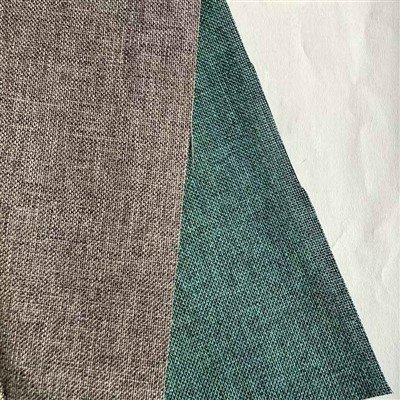
At the end of the day, 1680D cationic oxford is a workhorse fabric. It’s tough, water-resistant, holds color better than regular polyester, and it’s perfect for all kinds of gear—if you treat it right. The “special care” isn’t about making your life harder; it’s about keeping the fabric performing the way it’s supposed to for years. If you’re a manufacturer looking to use this material for your products, or a buyer who needs help figuring out care for a piece you already have, hit me up. I’m here to answer any questions, help you pick the right grade of 1680D cationic oxford for your project, or give you more tips to keep your gear in great shape. I don’t do hard sell, I just know this stuff inside and out, and I want you to get the most out of whatever you make with it.
Oxford Fabric References
- Textile Institute. (2021). Properties and Care of Polyester-Cationic Woven Fabrics. Journal of Textile and Apparel, Technology and Management.
- International Organization for Standardization. (2019). ISO 105-C06: Textiles – Tests for Colour Fastness – Part C06: Colour Fastness to Domestic and Commercial Laundry.
- American Society for Testing and Materials. (2020). ASTM D4977: Standard Specification for Polyester Fabric for Backpacks and Luggage.
Dongyang Huangxiu Leather & Plastic Co., Ltd.
With abundant experience, we are one of the most professional 1680d cationic oxford fabric manufacturers in China. We warmly welcome you to wholesale customized 1680d cationic oxford fabric made in China here from our factory. If you have any enquiry about quotation and free sample, please feel free to email us.
Address: Huangxiu Leather & Plastic Products, No. 79 Shunda Road, Huashui Town, Dongyang City, Zhejiang Province
E-mail: x372921764@163.com
WebSite: https://www.huangxiutextile.com/
