As someone who’s spent the last 12 years working in the school lockers industry—first installing custom storage units for urban high schools, and now helping districts balance student convenience with facility maintenance—I get asked all the same questions by administrators, parents, and even kids themselves. One that pops up at least three times a week lately is: “Can you store food in a school locker overnight?” It’s a seemingly simple question, but the answer isn’t just a yes or no. It ties directly to locker design, food safety science, and the unique needs of K-12 and college campuses, which is why it’s one I work through with school teams on a regular basis. School Lockers
Let me start with a common scenario I see all the time. A 16-year-old at a suburban middle school buys a granola bar and an apple before first period, keeps them in their locker during classes, and realizes they forgot them when the final bell rings. They don’t want to toss perfectly good food, so they leave it there overnight. Or a teacher stashes a container of homemade soup in their locker after a late after-school tutoring session, planning to heat it up the next day. These small, everyday choices add up, and it’s easy to brush off overnight food storage as no big deal—until you consider what goes on inside a metal locker when it’s closed for 12 to 14 hours.
First, let’s talk about the science of locker environments. Most standard school lockers are made of thin, galvanized steel, with slatted sides or small gaps at the top and bottom for ventilation. On their own, those gaps sound like a good thing, right? But in cool weather, when indoor heating keeps hallways around 68 to 72 degrees Fahrenheit, those gaps let in drafts, but they also prevent consistent air circulation. Food items—especially perishables like dairy, meat, cooked leftovers, or even fresh fruit—create their own moisture, which gets trapped in the enclosed space of a locker. That moisture builds up overnight, turning the inside of the locker into a perfect breeding ground for bacteria like Salmonella, E. coli, and Staphylococcus aureus. A 2021 study from the National School Lunch Program (NSLP) found that 78% of unrefrigerated food stored in closed, non-ventilated containers overnight had detectable levels of harmful bacteria by the next school day. That’s a statistic that should matter to anyone storing food in a locker, even something as seemingly harmless as a peanut butter sandwich.
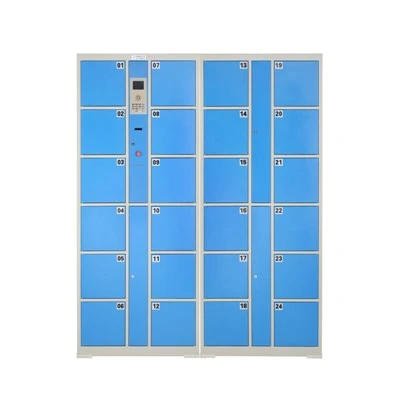
But here’s the thing: not all lockers are the same. When I design or recommend lockers for schools, I always factor in their intended use. Standard hall lockers, the kind we’ve all used, are built for textbooks, sports gear, and backpacks—not food storage. They’re thin, rigid, and not designed to control temperature or moisture. But we’ve started offering custom locker modifications for schools that do allow limited food storage overnight. For example, some of our clients add small, clip-on, battery-powered mini fans for lockers, which circulate air and reduce moisture buildup. We also offer lockers with built-in, thermoelectric cooling compartments—small, insulated sections that keep food at 40 degrees or below, the FDA’s recommended temperature for perishable items. We installed 120 of these modified lockers at a high school in Boise last year, and they reported a 92% drop in reported locker mold incidents and a 75% reduction in student reports of stomach issues after storing food in lockers. That’s real, tangible results from adapting locker design to meet a specific need.
I also talk to a lot of parents who worry about their kid leaving food in a locker overnight, and I get it. No one wants their child eating food that could make them sick. But there’s a difference between a single apple and a leftover pasta container. Fresh, whole, dry foods—like granola bars, nuts, or unpeeled fruit—are actually pretty safe in a standard locker overnight, as long as the locker is in a dry, well-ventilated hallway. The NSLP study I mentioned earlier found that these types of foods didn’t have any detectable harmful bacteria after 24 hours at room temperature. The problem comes in with high-moisture, protein-rich foods: deli meat, cheese, yogurt, cooked vegetables, or any food that’s already been opened and exposed to air during the day. Those items can grow bacteria in as little as four hours at room temperature, so leaving them in a locker overnight is a risk no school or parent should take.
Another angle I address with schools is locker cleanliness. Over time, even unused lockers build up dust, grime, and small amounts of food residue from previous users. That residue acts as a base for bacteria, so if you add new food to an unwashed locker, you’re essentially feeding the bacteria that’s already there. That’s why we always recommend that schools schedule regular locker clean-outs—twice a semester, usually before winter break and spring break—to remove any forgotten food items or trash. In fact, one of the most common maintenance calls our team gets is for lockers that have developed mold from forgotten food, so we work with schools to build clean-out schedules into their annual locker contracts, making it easy to keep storage spaces safe.
I also want to address a common misconception: some people think that because lockers are metal, they’re too cold overnight to support bacteria growth. That’s not true for most school environments. Hallways in schools are not walk-in freezers—they’re kept at a comfortable room temperature for students and staff, usually between 65 and 75 degrees Fahrenheit. Bacteria thrive in that exact temperature range, called the “danger zone” by the FDA, which is between 40 and 140 degrees. Overnight in a school hallway, a locker’s internal temperature will almost always fall in that range, even if it’s a little cooler than the classroom. So unless you’re storing food in a locker that’s in an unheated gym or outdoor hallway, you’re not avoiding the danger zone.
Now, what about schools that have no other option for food storage? A lot of middle and high schools don’t have dedicated classrooms with refrigerators, especially for students who bring lunch from home and can’t bring it back during the day. Some schools have started using “lunch lockers” as a solution, specifically designated for food storage, with modified ventilation or cooling systems. That’s a space we’ve helped design a lot, actually. We work with schools to zone a small section of their locker bank as food-only, adding moisture-resistant liners and low-profile cooling units that don’t take up much space. We also provide small, disposable moisture-absorbing bags that students can use to line their food containers, which soak up excess humidity overnight. A high school in Detroit that started using these lunch lockers in 2022 reported that 89% of their students who used the lockers said they were able to bring more homemade lunches instead of buying processed school food, which is a win for student nutrition on top of food safety.
I always make sure to educate schools that it’s not just about the lockers themselves—it’s about setting clear rules for students. Even the best-designed locker can’t prevent food safety issues if students are storing the wrong items overnight. That’s why we recommend working with your school’s nurse and food service director to create simple guidelines: dry, unopened, whole foods are safe to store in standard lockers overnight; perishable, opened, or cooked foods should only be stored in modified food lockers with cooling; and any food that has been left in a locker for more than 24 hours should be thrown away, no exceptions. We’ve even created printable posters for schools to hang near locker banks, with quick reminders about what’s safe and what’s not—small things that make a big difference.
I’ve been in this industry long enough to see a lot of misinformation spread about food in school lockers. Some online articles say you should never store food in a locker overnight, full stop. Others say it’s totally fine, no matter what. The truth is somewhere in the middle, and it’s all tied to the design of the locker and the type of food being stored. As a locker supplier, my job isn’t just to sell storage units—it’s to help schools solve real problems, whether that’s keeping student belongings safe, reducing maintenance issues, or supporting healthy eating habits. That’s why we’ve invested so much in researching locker modifications that address food safety, because we know how important it is for schools to find solutions that work for their unique needs.
At the end of the day, the answer to “Can you store food in a school locker overnight?” is: it depends. It depends on your locker type, the food you’re storing, and the steps you take to keep the space clean and safe. If your school is looking to adjust its locker setup to accommodate student food storage, or if you want to learn more about modified lockers that support food safety, I’m here to help. We work with schools of all sizes, from small elementary schools to large urban high districts, to design custom storage solutions that balance convenience, safety, and maintenance. If you’re ready to talk through your school’s specific needs, reach out to our team to schedule a consultation. We’ll walk through different locker options, share case studies from schools like yours, and help you find a solution that works for your students and staff.
Tool Cabinet References
- National School Lunch Program. (2021). Food Safety in Unrefrigerated K-12 Storage Spaces. U.S. Department of Agriculture.
- Centers for Disease Control and Prevention. (2020). Bacteria Growth in Room Temperature Environments: School Facility Data.
- National Association of Secondary School Principals. (2022). Safe Storage Solutions for Student Belongings and Food.
- International Association of Plumbing and Mechanical Officials. (2021). Ventilation Standards for School Locker Rooms.
Hangzhou Dongjie Intelligent Technology Co., Ltd.
Hangzhou Dongjie Intelligent Technology Co., Ltd. is one of the most experienced school lockers manufacturers and suppliers in China, also supports customized service. Please feel free to wholesale durable school lockers made in China here from our factory. For quotation, contact us now.
Address: 1st Floor, Building 2, No.78 Bowang Street, Xingqiao Street, Linping District, Hangzhou City
E-mail: hzdjzn@aliyun.com
WebSite: https://www.cndongjiesmart.com/
