If you’ve ever worked in industrial machinery, automotive repair, or even agricultural equipment maintenance, you know how critical the oil pump is—think of it as the circulatory system for any engine or hydraulic system. A sudden oil pump failure can shut down operations, cause thousands in damage, and even lead to safety hazards on job sites. As someone who’s spent 12 years supplying oil pumps and troubleshooting on-site issues for clients across manufacturing, construction, and transportation, I’ve seen firsthand how often avoidable factors lead to these breakdowns. Today, I’m breaking down the science behind why oil pumps stop working, straight from the perspective of a supplier who’s heard every story from my clients. Oil Pump
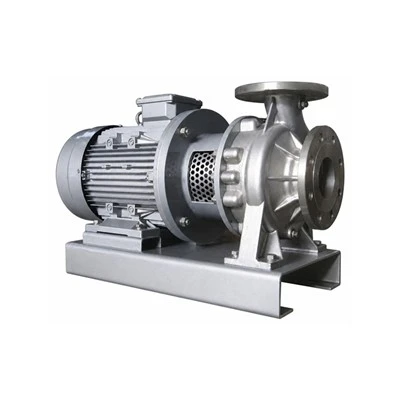
First, let’s start with the basics to set context: an oil pump’s core job is to deliver pressurized lubricant to moving parts—bearings, crankshafts, camshafts—reducing friction, carrying away heat, and sealing gaps between components. There are two main types: gear pumps (the most common for light-duty and small engines) and gerotor pumps (widely used in passenger vehicles and light industrial equipment). Both rely on precise clearances, consistent fluid flow, and reliable power from the crankshaft or electric motor to function. When something goes wrong, it almost always traces back to one of four categories: fluid contamination, mechanical wear, power supply issues, or installation errors. Let’s dive into each, with real examples I’ve encountered as a supplier.
Fluid contamination is the number one cause of premature oil pump failure, hands down. I once had a customer— a small fleet manager for delivery vans—call me at 2 a.m. because three of their vans had seized engines. When we pulled the oil pump from the first van, it was coated in tiny metal shavings and sludge that had turned the pump’s gears into a solid block. Turns out, the customer had skipped a recommended oil change to cut costs, and over 15,000 miles, tiny metal particles from the engine’s crankshaft had flaked off, mixed with accumulated dirt from the engine’s crankcase, and formed a abrasive paste. That paste wore down the pump’s internal components faster than normal, and within days, the pump couldn’t build enough pressure to keep parts lubricated.
Contamination doesn’t just come from skipped maintenance, either. Hydraulic oil used in heavy industrial oil pumps can get contaminated with water if a machine is stored outdoors in humid climates. Water mixes with oil to create a corrosive slurry that eats away at pump impellers and seals over time. I’ve also seen fuel leaks from faulty fuel injectors seep into the oil system, turning oil into a thin, gasoline-diluted mixture that can’t provide the necessary viscosity to lubricate—this causes the pump’s gears to grind against each other, since there’s no thick enough film of oil to separate them. The science here is simple: oil pumps rely on consistent fluid properties. Even a tiny amount of foreign material—dirt, metal, water, fuel—breaks down those properties, leading to increased friction and component damage.
Next, mechanical wear and tear from normal operation (or misoperation) is a close second. Oil pumps are precision parts, with clearances measured in thousandths of an inch. Over time, as they cycle thousands of times per minute, those clearances widen, reducing the pump’s ability to build pressure. But wear can accelerate rapidly if the pump is pushed beyond its designed limits. For example, a client who runs a construction company once installed a 10-gear industrial oil pump for a crane that was rated for a 5-ton load, but they regularly used the crane to lift 12 tons to meet project deadlines. The extra load put constant, excessive stress on the pump’s drive shaft, causing it to bend. Once the shaft bent, the pump’s internal components no longer aligned correctly, and it stopped pumping oil entirely—leading to a $40,000 repair bill for the crane’s engine.
Wear can also come from operating at extreme temperatures. Oil pumps designed for room temperature use can experience seal failure in environments where temperatures drop below freezing. Seal material hardens in cold, creating gaps where oil leaks out, and the pump can’t maintain pressure. On the flip side, high temperatures (over 250°F, for most standard pumps) break down the oil itself, making it thinner and less able to lubricate. The pump’s internal gears spin faster to compensate for the thinner oil, which generates more heat, creating a vicious cycle that ends with seized components. I once supplied a batch of pumps to a mining operation that had run their equipment in 110°F desert heat without adjusting their oil and pump rating—within two weeks, 60% of the pumps had failed due to overheating and accelerated gear wear.
Power supply issues are a less obvious but equally common cause, especially for electric oil pumps (used in electric vehicles, hybrid systems, and automated industrial machinery). Unlike mechanical oil pumps that run directly off the engine’s crankshaft, electric pumps rely on a stable power source from the vehicle’s battery or the facility’s electrical grid. Voltage fluctuations, even small ones, can damage the pump’s motor windings over time. A trucking fleet client of mine had 12 electric oil pumps fail in six months, and at first, we thought it was a manufacturing defect. It turned out their charging system for the fleet’s trucks was faulty, delivering 16 volts instead of the required 12 volts. The extra voltage overheated the pump’s motor, burning out the windings so the pump wouldn’t turn at all.
For mechanical pumps, power supply issues usually come from a faulty drive belt or gear. If the drive belt slips, the pump spins slower than it should, reducing oil pressure. I once worked with a manufacturing plant where a maintenance team failed to tension the pump’s drive belt after a routine oil change. Over a week, the loose belt slipped so often that the pump barely spun at 30% of its designed speed—resulting in low oil pressure that damaged the plant’s conveyor system motors. Even small issues, like a sheared drive gear, can stop a pump instantly. I’ve had clients bring in pumps where the drive gear had snapped off entirely, usually because of a misalignment during installation or a sudden jolt from operating heavy equipment on rough terrain.
Finally, installation errors are a preventable cause that I see all too often, even among experienced maintenance teams. As an oil pump supplier, I always include installation guidelines with every pump I ship, but many crews skip critical steps to save time. For example, when installing a new pump, you have to prime it—filling it with oil before starting the engine—so it doesn’t run dry on first startup. I once had a classic car enthusiast who installed a new gear pump in his 1967 Camaro, skipped priming it, and started the engine immediately. The pump’s gears spun without any oil to lubricate them, seizing within 10 seconds, and he had to replace the entire engine. That’s a $10,000 mistake from skipping a 5-minute step.
Another common installation error is improper clearance between the pump and its housing. The pump’s gears or gerotor rotor need a specific gap to work correctly—too tight, and they bind; too loose, and they can’t build pressure. A repair shop client once installed a new pump without checking the housing for wear, so the gap was twice the manufacturer’s recommended limit. The pump worked for a week, but the loose gears couldn’t generate enough pressure, leading to premature engine wear. I also see issues with hose connections: loose hoses or mismatched fittings can cause air leaks in the oil system, which create air bubbles that damage the pump’s internal components and reduce pressure.
Now, as someone who supplies oil pumps for all these industries, I want to make this practical for you. If you’re dealing with oil pump issues, the first step is to rule out the easy, preventable causes before considering a replacement. Check your oil level and condition—if it’s dirty or low, change it and inspect for contamination. Verify power supply for electric pumps (test voltage) or drive alignment for mechanical pumps. If you’ve done all that and the pump still fails, it’s likely a mechanical wear or installation issue.
When you’re ready to invest in a replacement pump, look for a supplier that can match your pump to your specific equipment’s needs—not just any generic pump. Too many clients buy a cheap, off-brand pump that isn’t rated for their load or environment, leading to frequent failures. I’ve seen clients save $50 on a pump upfront, only to spend $500 on emergency repairs a month later. Quality pumps, when installed correctly and maintained regularly, last 50,000 to 100,000 miles depending on use, so it’s worth investing in a reliable option.
If you’re dealing with unexpected oil pump failures, want to confirm the right pump for your equipment, or have questions about maintenance to prevent future issues, feel free to reach out for a chat. I’ve helped hundreds of clients troubleshoot these problems, and I’m here to help you avoid the headaches and costs that come with preventable pump failures.
Chemical Pump References
- Society of Automotive Engineers (SAE) International. (2019). “Engine Lubrication System Performance Standards for Gear-Type Oil Pumps.” SAE Technical Paper Series.
- National Fluid Power Association (NFPA). (2021). “Hydraulic Oil Pump Contamination and Failure Prevention Guidelines.” NFPA Technical Report.
- Industrial Machinery Maintenance Association (IMMA). (2022). “Preventive Maintenance Protocols for Positive Displacement Oil Pumps.” IMMA Best Practices Guide.
- American Petroleum Institute (API). (2020). “Engine Oil Viscosity Requirements for Industrial and Automotive Oil Pump Compatibility.” API Publication 1509.
Zhejiang Kaicheng Pump Valve Co., Ltd.
Zhejiang Kaicheng Pump Valve Co., Ltd. is one of the most professional oil pump manufacturers and suppliers in China, also supports customized service. We warmly welcome you to buy advanced oil pump made in China here and get quotation from our factory. For price consultation, contact us.
Address: No.501 Zhangbao North Road, Dong ou Industrial Park, Oubei town, Yongjia, Zhejiang Province, China
E-mail: sales@cnkcmp.com
WebSite: https://www.kcmpumps.com/
