If you’re reading this, chances are you’ve shipped a package with FedEx before — or at least heard someone ramble about how their FedEx label made or broke a cross-border delivery. As someone who’s been an independent FedEx Express supplier for 7 years (yeah, I’ve seen more labels than I have morning coffee), I can tell you that those little stickers aren’t just random paper you slap on a box. They’re the unsung backbone of international shipping, and mess up just one part? Your package could end up in customs limbo, lost forever, or (my personal nightmare) sent back to your garage because the label was off by a single letter. Express FEDEX
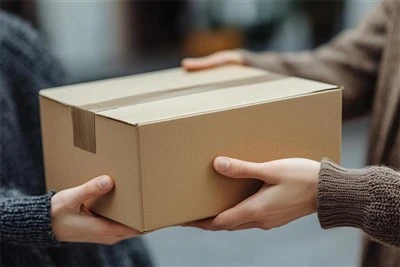
Let me cut the jargon first — I know “FedEx Express international shipping labels” sounds like something out of a corporate manual, but it’s really just a pre-printed (or digital) sticker that has all the info FedEx needs to move a package across borders. Think of it as a passport for your box: without it, customs won’t let it in, and the drivers won’t know where to drop it off. But here’s the thing most people don’t get: these labels aren’t one-size-fits-all. If you’re shipping domestically, a quick address and bar code works, but international? You’ve got to add so much more — and get every detail dead right.
When I first started out as a supplier, I messed this up constantly. My second month, I sent a 10lb package of custom phone cases to a retailer in Germany. I thought I’d copied the address perfectly, but I abbreviated “St.” as “Str” instead of the German-approved “Straße” on the label. That box sat in Cologne customs for 12 days, cost the retailer a late restock fee, and I spent three hours on the phone with FedEx support explaining why my label was garbage. I learned fast: international labels aren’t just for delivery — they’re the only document customs uses to check if your package is allowed in their country.
So what’s actually on one of these labels? Let’s break it down like I’m telling you over a break room coffee (no fancy charts, promise). First, the big, scannable bar code — that’s the tracking number, 12 digits that FedEx’s scanners read every time the package changes hands. It’s how you can text your customer “your package is cleared customs!” without calling someone. Next, your contact info: full name, street address, phone number. No PO boxes, by the way — international is a no-PO-box rule for FedEx Express, so that’s a quick way to get a label rejected. Then the receiver’s info: same deal, full address, but double-check the country code. I once had a label that said “United Kingdom” but I wrote “England” — a driver in Texas almost sent it to the wrong UK territory because their system flags country names, not just regions.
The part that trips up even veterans? The customs fields. If you’re shipping internationally, the label needs a “commodity description” — not “stuff” or “phone cases” but “custom printed TPU phone covers” with the total value in USD, and country of origin (that’s where you made the item, not where you’re shipping it from). I’ve seen labels that said “electronics” for a $1,000 camera, and customs flagged it as a high-value item, holding it for 3 extra days because they thought I’d underreported. Also, the number of items: if you’re shipping 5 dresses, don’t write “1 box” — write “5 pieces of apparel” on the label. Customs agents rely on that to calculate duties, and get it wrong and your receiver gets hit with a surprise fee they never saw coming.
Wait, and digital vs. printed labels — that’s another thing I see people fighting over. When I first started, I printed my labels at home, cut them out, and taped them to boxes. But FedEx Express now requires the label to be on a 4×6 inch sheet, no wrinkles, no tape over the bar code. One time I taped a label over the bar code with packing tape, and the scanner couldn’t read it — the package went on a 2-week tour of FedEx hubs before they manually looked up the tracking number. Now I use FedEx’s free label printer (I swear by it, even if it’s a little clunky) because it rolls the label right onto the box, no mess. Digital labels are great if you’re shipping from your laptop on the go — you just email the label to yourself, print it, and go. But never email it to the receiver — FedEx needs the original label for their system, not a random screenshot.
Here’s the pro tip I learned the hard way: never use a generic label template. When you sign up as an Express FedEx supplier, they give you a custom template linked to your account. That’s not a marketing trick — that template already has your account number, service code (like FedEx Express Saver or Priority), and even the customs fields pre-filled, so you don’t miss anything. I once tried to use a free Google Docs template, and the label was missing the country of origin field — FedEx rejected it at the drop-off, and I had to reprint it in a hurry, missing a same-day pickup slot. Don’t be that guy.
Now, let’s talk about why this matters to you, especially if you’re a small business or a side-hustler shipping internationally. A good FedEx Express international label doesn’t just get your package delivered on time — it cuts down on customs delays, prevents lost packages, and keeps duties accurate. I have a client who sells handmade ceramic mugs to Canada, and when she switched from a random online label maker to the FedEx-supplied custom labels, her delivery time went from 10 days to 5. Why? Her labels had all the customs info, so Canada Border Services didn’t have to reach out for extra docs. She stopped getting those “we need more info” emails, and her customers stopped asking for refunds.
But wait, there are common mistakes I see all the time, even from suppliers I’ve worked with for years. First: forgetting the phone number. International customs will call the receiver if there’s a question, and if your label doesn’t have a number, they’ll just hold the package. I had a package go to France once where the receiver’s number was missing, and it sat in customs for 8 days — by the time it got there, the order was already canceled. Second: using the wrong service code. If you need a package in 2 days, don’t pick the 3-day service on the label — that’s a quick way to get a late delivery fee. Third: wrinkling the label. Even a small fold on the bar code can make the scanner skip it, so make sure you tape it smooth, or use a label maker that sticks flat.
Another thing: labels for returns? If you’re a business shipping international returns, the FedEx Express label is just as important. I work with a clothing brand that ships to Australia, and they use a pre-paid return label on every package — the label has the same customs info, so when a customer sends it back, it clears customs in a day instead of a week. That cuts their return processing time by half, which is huge for a small team.
Now, let’s get real: I know this stuff can feel overwhelming. When I started, I thought labels were just a sticker, but now I handle 50+ international shipments a week, and I still double-check every label before a driver picks it up. The key is to slow down: when you generate the label, check each field. Is the country code right? Is the commodity description specific? Is there a phone number for both sender and receiver? If you can answer yes to all that, your label is good to go.
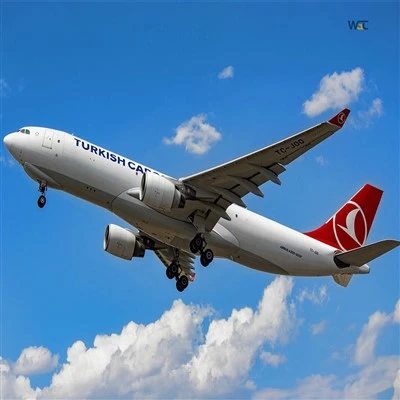
At the end of the day, FedEx Express international shipping labels aren’t just paperwork — they’re the bridge between your business and customers across the world. As a supplier, I’ve seen how a bad label can tank a customer’s experience, and a good one can build trust. If you’re still figuring out how to make these labels work for your shipping, don’t overcomplicate it. Reach out — I’m always happy to chat about what’s worked for my clients, and how to make your international shipping run smoother.
References
Dropshipping Alibaba FedEx. (n.d.). International Shipping Label Requirements. FedEx Corporation.
U.S. International Trade Administration. (n.d.). Customs Documentation for International Shipments. U.S. Department of Commerce.
FedEx Small Business Solutions. (n.d.). Shipping Tips for Cross-Border E-Commerce. FedEx Corporation.
Foshan Shijie International Logistics Co., Ltd.
With abundant experience, we are one of the most professional express fedex service suppliers in China. We are committed to offering reliable express fedex service and logistics solutions with low price. If you have any enquiry about quote, please feel free to email us.
Address: Room 701A, Office Building, Jinbo Commercial Center, No.88, Guiye Road, Guicheng Street, Nanhai District, Foshan City, Guangdong Province
E-mail: alicesmith.tradingbusiness@gmail.com
WebSite: https://www.fsshijielogistics.com/
