Let me start by setting the scene: I’m been running a break bulk shipping supply business for over a decade now, and I’ve seen every angle of how this mode of transport works. When we first launched, break bulk felt like the only way to move the heavy, oversized industrial equipment my clients needed—think 50-ton turbines for power plants, pre-fabricated steel beams for bridge projects, or custom-made factory machinery that couldn’t fit into a standard container. But lately, more and more clients are asking about containerized shipping alternatives, and it’s not just because they want to cut costs. From where I sit, as someone who handles the loading, stowing, and delivery of break bulk cargo every single week, I’ve watched firsthand the deep, often overlooked disadvantages of this traditional shipping method that make it less viable for today’s fast-paced, cost-conscious supply chains. Break Bulk
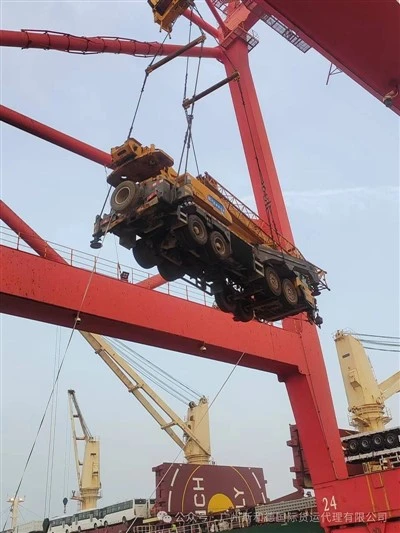
First, let’s talk about one of the biggest pain points for my team and our clients: labor-intensive loading and unloading processes. Unlike containerized shipping, where cranes can lift a full, sealed container in a single move, break bulk cargo requires piece-by-piece handling. Every turbine blade, steel coil, or heavy valve has to be manually secured, checked for damage, and loaded carefully by specialized dockworkers who know how to balance weight distribution on the ship’s hold. Last year, we had a job with a food processing plant’s industrial mixer that required three days of loading labor—two more days than a similar piece of equipment would have taken in a standard container. That extra time doesn’t just add to our labor costs; it means the ship spends more time in port instead of moving cargo, which translates to higher demurrage fees for our clients. Demurrage, to be clear, is the fee ports charge for cargo that stays beyond the agreed-upon time, and for break bulk, it’s almost always higher because of those longer port stays. I’ve had a client pay $12,000 in extra demurrage fees last quarter alone because their heavy construction equipment took an extra four days to unload at the destination port. That’s money they could have used for other parts of their project, and it’s a cost that’s baked into the break bulk model that shippers don’t always advertise upfront.
Then there’s the issue of higher damage and loss rates, which is another disadvantage that hits both us and our clients hard. Because break bulk cargo isn’t sealed inside a uniform container, it’s exposed to the elements—rain, salt air, dust, even rough handling during loading that can scratch or dent surfaces. Last month, we shipped a shipment of custom glass panels for a skyscraper project; during the unloading process, a dockworker misaligned a crane hook, and one panel cracked. We had to cover the cost of replacement, which wasn’t cheap, and push back the client’s delivery timeline by a week. Compare that to containerized shipping, where a sealed container keeps cargo protected from weather and most handling accidents, and the damage rate is roughly 10% lower, according to industry data. Even with our strict quality control protocols—we use custom crating, waterproof covers, and specialized securing materials—we still see a 3-5% damage rate annually, which is double what we would expect with containerized transport. That not only adds to our operational costs but also erodes client trust, something we’ve spent years building.
Cost efficiency is another major drawback of break bulk shipping, especially for medium-sized cargo that could otherwise fit in a container. When we quote clients for break bulk, we factor in not just the transportation cost but also port handling fees, labor, and specialized equipment like cranes or forklifts that can handle heavy loads. For a 20-ton piece of machinery that could fit inside a 40-foot high cube container, the break bulk quote is often 30-40% higher than containerized shipping. A small manufacturing client I worked with last year was looking to move a new packaging line; their break bulk quote was $18,500, while containerized shipping would have cost $12,200. They went with a different provider that offered containerized transport, and I didn’t blame them—for a small business with tight margins, that extra $6,000 is a big deal. Even for truly oversized cargo that can’t fit in a container, break bulk still has hidden costs: the ship’s hold has to be modified to accommodate uneven, bulky shapes, and we have to coordinate with multiple parties to make sure all pieces are stowed correctly, which adds administrative time and fees.
Flexibility is another area where break bulk falls short. Containerized shipping operates on fixed schedules, but there are dozens of weekly sailings between major ports, so clients can pick a departure date that fits their timeline. Break bulk, on the other hand, has much less frequent sailings because most ships prioritize containerized cargo. There are only a handful of dedicated break bulk ships that travel between North America and, say, Southeast Asia, and their schedules are often less predictable. Last year, a construction company needed to move crane parts to a project in Singapore within six weeks, but the next available break bulk sailing was three months away. They had to air freight the parts at a cost 10 times higher than sea transport, just to meet their deadline. That kind of inflexibility is a huge disadvantage for clients who are working on tight project timelines, something we can’t always mitigate even with our best planning.
Safety is also a critical concern when it comes to break bulk shipping. Because cargo is not secured in a uniform container, there’s a higher risk of it shifting during transit, which can cause accidents at sea. In 2022, there was a well-documented incident where a break bulk ship lost several heavy pieces of construction cargo during a storm because they weren’t properly secured; some of the cargo ended up in the ocean, and the ship suffered structural damage, leading to a $20 million in losses. Our team takes every precaution to secure cargo with steel chains, wooden blocking, and load tests before the ship departs, but there’s always a level of risk that doesn’t exist with containers, which are designed to keep cargo stable even in rough seas. For our clients, that means higher insurance premiums—break bulk cargo insurance is often 20-25% more expensive than containerized cargo insurance because of the increased risk. That’s another cost that adds up over time, especially for clients moving high-value industrial equipment.
Storage and handling at intermediate ports are additional headaches with break bulk. Unlike containers, which can be stored in a port’s general cargo area and easily moved with standard equipment, break bulk cargo requires special storage. Heavy, oversized items can’t be stacked, so they take up more space at the port, leading to higher storage fees. Last year, we had a shipment of wind turbine blades that had to be stored at a port in Rotterdam for two weeks because the next sailing was delayed. The storage fees alone came to $4,500, which we had to pass on to the client. Containerized cargo, by contrast, can be stored for days or even weeks with minimal extra cost, since ports have dedicated container storage yards that are optimized for space.
Now, I don’t want to paint break bulk as completely useless—there are still cases where it’s the only option, like for cargo that’s too big or heavy to fit in a standard container. But for many of the clients we work with, the disadvantages far outweigh the benefits. That’s why we’ve started offering hybrid solutions for some clients, combining small containerized shipments for smaller parts with break bulk for oversized components, but even that has its own complexities.
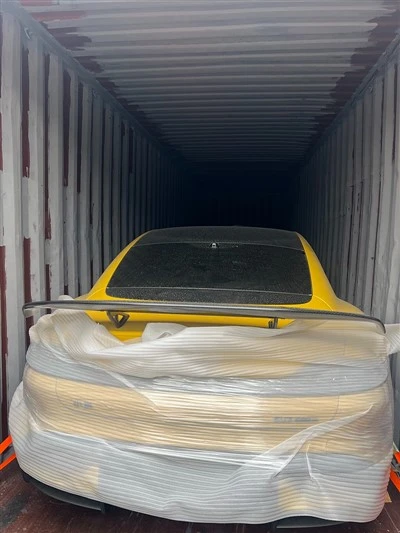
At the end of the day, as a break bulk supplier, I want clients to make the best choice for their business. If you’re moving heavy, oversized cargo that can’t fit in a container, break bulk is a necessary option—but it’s important to go into it with your eyes open, understanding the extra costs, time, and risks involved. If you’re still weighing your options, or if you have a specific shipment you need to move, feel free to reach out to our team to discuss what works best for your needs. We’re here to provide transparent quotes, break down all the associated costs, and help you navigate the break bulk process without the stress that comes with this traditional shipping method.
General Commodities References
- International Chamber of Shipping. (2023). Break Bulk Shipping: Operational Challenges and Industry Trends.
- Drewry Maritime Research. (2022). Container vs. Break Bulk Cost Comparison Report.
- International Transport Workers’ Federation. (2021). Dock Labor and Cargo Handling Safety Standards for Break Bulk Operations.
- Marine Insurance Association. (2023). Risk Assessment of Break Bulk vs. Containerized Cargo Insurance.
Speed Supply Chain (Guangzhou) Co., Limited
Speed Supply Chain (Guangzhou) Co., Limited is a licensed NVOCC and first-level freight forwarder in China. With a professional team, we deliver reliable, efficient and cost-effective break bulk service for global customers. If you have any enquiry about quotation, please feel free to email us.
Address: Room 2001-2002, Dongzhao Building, No. 515 Dongfeng Middle Road, Yuexiu District, Guangzhou, Guangdong, China
E-mail: mika.li@speedsucc.com
WebSite: https://www.speedsupplychain.com/
