If you’ve ever spent a day out on the water reeling in a trophy bass, battling a choppy tide, or just biding your time under a sweltering sun, you know your fishing apparel doesn’t just get dirty—it gets lived in. The salt spray, fish slime, mud from riverbanks, and that sticky sunscreen that never quite washes off don’t just leave stains; they can break down the technical fabrics that keep you comfortable, safe, and focused on the catch. As a fishing apparel supplier who’s worked with pro anglers and casual weekend fishers alike for years, one question pops up more than any other: Can I wash fishing apparel in a washing machine? Fishing Apparel
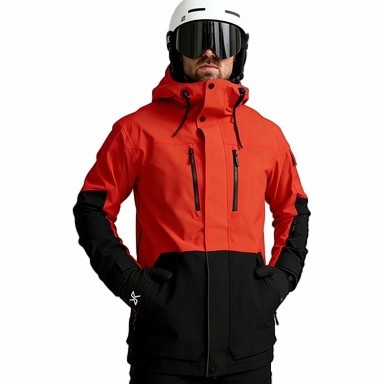
The short answer is yes—but it’s not as simple as tossing your favorite fishing shirt into a regular load with your gym clothes or a load of towels. Treating your technical fishing gear the right way extends its lifespan, preserves the water-repellent and UV-protective properties that make it worth the investment, and keeps you from accidentally ruining the pieces you rely on out on the water. Let’s break down what you need to know, from the best practices to the common mistakes that turn a quick wash into a piece of gear you can’t wear next time you hit the lake.
First, let’s talk about why fishing apparel isn’t the same as your average t-shirt or hoodie. The technical gear we design includes a few key features that set it apart: water-resistant coatings, UPF 50+ fabric blends, anti-odor treatments, and sometimes even fleeced linings for early morning outings. Each of these has specific care instructions, and ignoring them is where most people go wrong. For example, a water-resistant jacket that’s machine-washed with harsh detergents can lose its DWR (Durable Water Repellent) finish over time, leaving you soaked when a sudden downpour hits. That anti-odor technology? Most of it is applied to the fabric during manufacturing, and using chlorine bleach or fabric softeners can break down those molecules, turning your fresh, smell-resistant shirt into a magnet for fish slime and mildew after just a few uses.
I’ve seen this play out firsthand with customers who reach out to our support team asking why their new fishing hoodie smells after one wash. Nine times out of ten, they used a generic laundry detergent with added enzymes or fabric softener, or they washed it on a high heat cycle. For reference, 90% of the technical fishing apparel we supply is designed for cold or warm water washing—heat (anything over 40°C, or 104°F) is the enemy. It can shrink synthetic fabrics, warp zippers, and strip the protective coatings that make your gear functional, not just fashionable.
Now, if you’re ready to throw your gear in the washer, let’s walk through the step-by-step process that works, straight from the care guidelines we include with every piece we ship. First, always check the care tag. It might seem tedious, but for the technical gear, that tag is your rulebook. Most of our fishing shirts, pants, and outerwear will say “machine wash cold” right on it, and that’s not a suggestion—it’s a must.
Next, prep your gear before you even turn the machine on. Fishing apparel picks up all sorts of debris, and that grit from riverbeds or sand from the beach can scratch your washer’s drum, or get trapped in seams where it’ll keep smelling even after a wash. Give each piece a quick rinse in a cold tub to knock off excess salt, mud, or fish scales before you load it. Then, zip up all zippers, button all snaps, and turn any jackets or shirts inside out. This keeps zippers from catching on other clothes, and turning items inside out prevents fading and helps the wash cycle get into the fabric’s pores to lift stains and dirt.
What to wash it with? Skip the fancy detergents, fabric softeners, and bleach. We recommend a mild, fragrance-free laundry detergent—one that’s formulated for technical fabrics, not regular household loads. A lot of anglers swear by detergent specifically made for outdoor gear, and that’s exactly what we suggest for our apparel. Fabric softeners, even the “natural” kind, coat the fabric’s fibers, which is great for making bed sheets soft but terrible for the water-repellent and anti-odor properties. Bleach? It will eat through synthetic blends and break down any UV protective treatments, so just don’t use it. If you have a really stubborn stain—think fish blood, mud, or sunscreen buildup—spot treat it with a small amount of the same mild detergent before tossing it in. Never rub or scrub the stain too hard; that can damage the fabric’s finish.
Load the washer right. Don’t overstuff the drum—let your gear have room to move around, so the water and detergent can get to every part of the fabric. If you’re washing multiple pieces, group similar items: stick all outerwear together, all shirts together, no mixing heavy jackets with lightweight shorts. Run a gentle or permanent press cycle on cold water. That gentle cycle is key—it’s less abrasive on the fabric, especially for technical pieces with delicate coatings.
Once the cycle is done, what’s the best way to dry your fishing apparel? Again, no high heat. Tumble drying on low is okay for most pieces, but don’t over-dry them. For water-resistant jackets, some people swear by tumble drying on low for about 15 minutes after the wash to refresh the DWR finish—just check your care tag first, because not all gear is designed for drying. For fishing shirts and pants made from lighter synthetic blends, line drying is even better. It’s gentler on the fabric, saves energy, and keeps the color from fading in a hot dryer. If you do tumble dry, take the gear out as soon as the cycle ends to avoid excess heat lingering and damaging the fabric.
Now, let’s talk about the exceptions to the rule, because not all fishing apparel is the same. If you have a pair of waders or a heavy waterproof outer jacket, you might want to air dry them completely after washing, instead of putting them in the dryer. Waders, in particular, have sealed seams, and high heat can cause those seals to break, leading to leaks. If you have a piece with Gore-Tex or another waterproof membrane, follow the manufacturer’s guidelines—most of these do allow tumble drying on low, but it’s still safer to double-check.
I should also address a common myth I hear all the time: “I can’t wash my fishing apparel because it will lose its anti-odor technology.” That’s not true, as long as you wash it correctly. If you skip the harsh detergents, high heat, and fabric softeners, the anti-odor treatments will stay intact for dozens of washes. We’ve tested this with our own gear: a shirt that’s been through 50 cold washes with mild detergent still has the same smell-resistant properties as the day it came out of the package. The problem only comes when you cut corners on the wash process.
Another common mistake: washing your fishing apparel with other clothes, especially darks. Fishing shirts and jackets often have bright, durable colors that are designed to be visible on the water, but they can bleed if washed with lighter items. Stick to washing your fishing gear with other outdoor apparel, not with your regular clothes or towels. That way, you don’t have to worry about stains on your favorite sweatpants, and your fishing gear gets a clean wash without picking up lint or debris from other items.
Let’s go back to why this matters for you, and for the gear we supply. We build fishing apparel to last through countless trips, and to keep you comfortable and protected no matter the conditions. A $50 fishing shirt that lasts two years is a way better investment than a $20 shirt that falls apart after three wears, and the way you wash it is the biggest factor in how long it lasts. I’ve had customers tell me they’ve had our fishing jackets for five years, and they still work just as well as the day they bought them—all because they followed the wash guidelines. On the flip side, a customer who washed their jacket on hot with fabric softener had it fall apart after six months, and that’s a frustration we want to help you avoid.
If you’re still unsure about a specific piece of your gear, don’t guess. The care tag that comes with every garment we ship has all the details, but if you have questions, our team is here to help. Whether you’re a solo angler looking to extend the life of your go-to fishing shirt, or a guide needing durable gear that holds up to weekly use, we’re happy to walk you through the best care practices for your apparel.
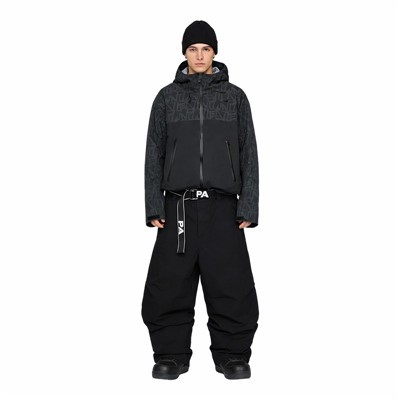
At the end of the day, washing fishing apparel in a washing machine isn’t just allowed—it’s the most practical way to keep it clean and ready for your next trip. All it takes is a little extra prep, the right detergent, and a gentle, cold water cycle, and you’ll have gear that looks and performs great for years. If you’re in the market for high-quality fishing apparel that’s built to be washed (and worn) on the water, don’t hesitate to reach out to our team to discuss your needs and place an order.
Fishing Pant References
- Outdoor Industry Association. (2022). Care Guidelines for Technical Outdoor Apparel.
- International Fabrics Research Institute. (2021). Durability of Water-Repellent Coatings in Laundry Cycles.
- Fishing Gear Association. (2023). Care Best Practices for Recreational Fishing Apparel.
Onroad Sportswear Co., Ltd.
We’re well-known as one of the leading fishing apparel manufacturers in China, featured by quality products and good service. Please feel free to buy customized fishing apparel made in China here from our factory. Also, samples are available.
Address: No. 501, A Block, Longtian Industry Area, Shilong, Dongguan, Guangdong, PRC. China
E-mail: Tracy.yi@onroad-sports.com
WebSite: https://www.orsoutdoor.com/
