If you’ve ever walked through a power plant, a commercial building’s basement, or even a factory floor, you’ve probably glanced at a big, sturdy metal box tucked into a corner and never given it a second thought. That’s a switchgear enclosure—one of those behind-the-scenes parts of the electrical system that keeps the lights on, machines running, and everyone safe. As a switchgear supplier, I talk to folks all the time who mix up switchgear itself with the enclosure that holds it, so let’s break this down like we’re chatting over coffee, not giving a technical lecture. Switchgear
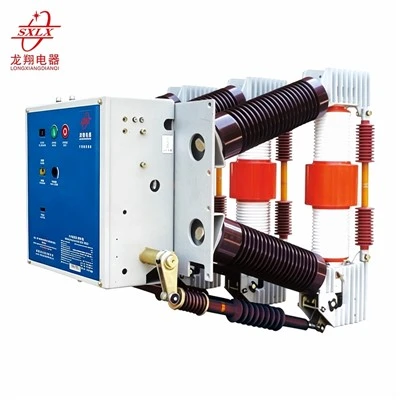
First, let’s clear up a quick mix-up: switchgear is the collection of parts—circuit breakers, fuses, relays, busbars—that controls, protects, and isolates electrical equipment. The enclosure? That’s the physical shell that holds all that gear. It’s not just a box to hide messy wires; it’s the unsung middleman between dangerous high-voltage electricity and everything around it.
Think about this: if you have a big chunk of power coming into a factory at 13,800 volts—way more than the 120 volts in your home’s outlets—you can’t just let that loose where workers walk, where rain can get in, or where dust from manufacturing might gum up the works. The enclosure’s job is to contain that risk. It’s like a suit of armor for the switchgear inside, tailored to where it’s going to live.
Not all enclosures are cut from the same cloth, either. That’s where my team spends a lot of time, because getting the right type for a job isn’t a one-size-fits-all call. Let’s run through the most common types you’ll actually encounter, since I see these every week:
-
Indoor Enclosures – These are usually made from thin-gauge steel or aluminum, built to go in basements, utility closets, or server room corners. They don’t have to stand up to harsh weather, so their main job is to keep fingers out of live parts and keep dust and condensation from shorting out the circuit breakers inside. I’ve had customers who tried to cut costs with a cheap indoor enclosure and regretted it when a leaky pipe dripped onto the busbars and caused a power outage—never again. That’s the kind of mistake we help them avoid.
-
Outdoor Enclosures – These are way tougher. They’re made from thicker, rust-resistant steel, sometimes with a powder coat that stands up to UV rays and salt air if you’re near the coast. They also have weatherproof gaskets on every door and panel, so rain, snow, or wind-blown dust can’t sneak in. Last year, we shipped a batch of these to a solar farm in Arizona, where 110-degree heat and sandstorms are routine—these enclosures keep the switchgear cool and clean, even when the environment’s fighting you.
-
Arc-Resistant Enclosures – This is a big one for industrial sites, and where most people don’t realize how critical the enclosure is. If a switchgear part fails, it can cause an arc flash or arc blast—think of it like a tiny, uncontrolled lightning bolt inside the box. Arc-resistant enclosures are built to contain that blast for a few milliseconds, so it doesn’t blow out the front door or send shrapnel into a hallway where workers are. We test every single arc-resistant enclosure we sell to make sure it meets safety standards, and I’ll tell you: those tests are loud. You don’t want to be in the same building when one fails, so the enclosure has to hold up.
-
Low-Voltage vs. High-Voltage Enclosures – I split these in my head all the time. Low-voltage is for systems under 1,000 volts—think office buildings, retail stores, your local hospital. These enclosures are simpler, often with front-access doors for maintenance, since workers aren’t dealing with life-threatening voltage. High-voltage is for factories, power plants, or transmission stations, where the voltage is hundreds of times higher. These enclosures have extra thick walls, locked access panels, and even pressure relief vents, because a fault here is way more dangerous.
Another thing people don’t talk about enough: enclosures aren’t just metal boxes. We add little design details that make a huge difference day-to-day. For example, some enclosures have lift-out panels instead of bolted-down ones, so a maintenance tech can swap a breaker in 10 minutes instead of an hour. Others have built-in ventilation fans to keep the switchgear from overheating—especially in hot climates. I once worked with a data center that had a problem with their old enclosures running too hot, which tripped their breakers randomly. We swapped them for enclosures with smart ventilation controls, and their downtime dropped by 90%. That’s the kind of practical stuff we focus on, not just checking a box for “sturdy.”
Safety is the whole point, though, and that’s where enclosure ratings come in. You’ve probably seen a number like IP54 or NEMA 3R stamped on the side—those aren’t random numbers. Let me translate those for you, in plain terms:
- NEMA ratings (from the National Electrical Manufacturers Association) tell you what the enclosure can stand up to. NEMA 3R means it’s for outdoor use, resistant to rain and ice. NEMA 12 means it’s good for indoor dust and non-corrosive coolants, perfect for a machine shop.
- IP ratings (Ingress Protection) are another common one. IP5X means no dust can get inside, IPX4 means it can handle splashing water from any direction. If you need an enclosure for a car wash, you’d want at least IP65—dust-tight and resistant to high-pressure water jets.
A lot of first-time buyers skip checking these ratings, and it comes back to bite them. Last quarter, a small manufacturing plant ordered an indoor NEMA 1 enclosure for their outdoor pump station. Surprise: when it rained, water seeped in, fried their main breaker, and shut down the line for 12 hours. We ended up swapping it for a NEMA 3R enclosure, no questions asked. That’s why I always ask new clients a ton of questions before I even quote a price: Where’s it going? Will it get wet? Do you need arc protection? Those details matter more than just the size of the enclosure.
Now, let’s get into why this matters for you, not just some electrical jargon. If you’re a facility manager, the enclosure is your first line of defense against downtime. A bad enclosure can lead to power outages, equipment damage, or even injuries. If you’re a contractor, picking the wrong enclosure means you might have to redo the job, which eats into your profit. If you’re a building owner, the enclosure is an investment that will save you money over time—cheap boxes break, and replacing a whole switchgear set is way more expensive than getting the right enclosure upfront.
We also work with a lot of people who want to customize enclosures, and that’s something I love. Not every job is the same. Sometimes a customer needs an enclosure with a built-in transformer, or a cutout for a data cable, or even a color match to their building’s exterior. A few months ago, we made a set of enclosures for a brewery that had to fit into a tight space between two fermenters—standard off-the-shelf enclosures were too big, so we custom-cut the frame and added ports for their cooling lines. That’s the kind of flexibility you don’t get from a big-box supplier, and it’s why we take the time to listen to what you actually need, not just sell you a generic product.
One thing I always tell new clients: don’t sleep on maintenance for your enclosures. A lot of people think once it’s installed, it’s good for 20 years—but not so. Dust builds up on the gaskets, rust can start on the corners of outdoor enclosures, and the ventilation fans can get clogged. We do annual checks for some of our regular customers, and more often than not, we find small issues that would have turned into big problems. Last year, we caught a leak in an outdoor enclosure at a grocery store before it damaged their refrigeration switchgear—saving them an estimated $50k in lost inventory. That’s the value of picking a supplier who sticks around after the sale, not just drops a box at your loading dock.
Wait, let’s circle back to the basics, just to make sure we’re all on the same page. A switchgear enclosure isn’t just a container—it’s a safety device, a space-saver, and a durability component all in one. It keeps people from touching live parts, keeps the elements out, and protects the switchgear inside from damage. Without it, switchgear would be useless, because you can’t safely install it anywhere people work or live.
I get it, electrical stuff can feel overwhelming. When you’re looking for an enclosure, it’s easy to get bogged down in specs and ratings, but the key is to work with someone who can walk you through it. We don’t just send a catalog and say “pick one”—we ask about your location, your voltage level, your environment, and your long-term goals. Are you building a new warehouse? Updating an old factory? Setting up a solar farm? We can match you to the right enclosure, or build a custom one if you need it.
At the end of the day, the best enclosure is the one that does its job without you thinking about it. You don’t want to hear about your switchgear enclosure unless it’s working the way it should—and when it’s not, you want a supplier who can fix it fast. That’s why we keep extra parts in stock and offer 24/7 support for urgent calls. A power outage at 2 a.m. doesn’t care that it’s the middle of the night, and neither do we.
If you’re in the market for a switchgear enclosure, or you have a question about whether your current one is right for your space, don’t hesitate to reach out. We’re here to walk through what you need, answer all your random questions, and make sure you get something that will hold up for years. No sales pitches, no jargon overload—just straight talk about what works for your project.
110kV SF6 Circuit Breaker When shopping for switchgear enclosures, always verify that they meet industry standards for your application, including ingress protection and arc-resistance if needed. NEMA and IP ratings are key for ensuring the enclosure can withstand its operating environment. Consult with a qualified electrical supplier to select the appropriate enclosure for your specific voltage, location, and use case to minimize safety risks and downtime.
References
- National Electrical Manufacturers Association (NEMA). "Enclosures for Electrical Equipment (NEMA Standards Publication 250)."
- International Electrotechnical Commission (IEC). "Degrees of Protection Provided by Enclosures (IEC 60529)."
- Occupational Safety and Health Administration (OSHA). "Arc Flash and Arc Blast Protection for Electrical Workers."
Shaanxi Longxiang Electrical Co., Ltd.
Shaanxi Longxiang Electrical Co., Ltd. is one of the most professional switchgear manufacturers and suppliers in China, also accepts customized orders. We warmly welcome you to buy advanced switchgear made in China here from our factory. Quality products and reasonable price are available.
Address: No. 619, Gaoxin Avenue, Comprehensive Bonded Zone, High-tech Development Zone, Baoji City, Shaanxi Province, China
E-mail: lee@longxiangelectric.com
WebSite: https://www.longxiang-electric.com/
