What’s up, fellow carpenters and workwear shoppers? If you’ve ever spent a full day swinging a hammer, hauling lumber, or trimming studs, you know that grabbing any old hoodie or pair of jeans for the job is a quick way to end up with a splintered wrist, a scraped knee, or worse. As a safety workwear supplier who’s worked side-by-side with carpenters for years, I’m here to cut through the noise and break down exactly what makes workwear not just “nice” for carpentry, but actually life-saving. No corporate jargon, no overhyped trends—just straight talk based on what you actually need on a job site. Safety Workwear
Let’s start with the big question: why can’t you just wear regular clothes? I’ve seen new carpenters show up in graphic tees and thin cotton pants, and within an hour, they’re frustrated. Cotton holds onto sweat, so by midday, you’re soaked, cold, and less focused. It also burns fast if a stray spark from a saw or welding torch (yeah, some carpenters do small welding) lands on it. And jeans? They’re heavy when wet, restrictive when you’re crouching for hours, and if you catch a nail or a splinter, they don’t give any cushion at all. Carpentry isn’t just building stuff—it’s dealing with sharp tools, heavy materials, uneven ground, and extreme temperatures. Your workwear has to adapt to all that, not fight against it.
First up: the base layer. Wait, base layer? Yeah, I know, a lot of carpenters skip this, but hear me out. The best base layers for carpentry are moisture-wicking, not cotton. I swear by merino wool or synthetic blends here. Why? Merino is naturally antimicrobial, so it doesn’t smell like a gym bag after a full week of work. It’s also breathable, so when you’re sawing and sweating buckets, it pulls that moisture off your skin instead of letting it sit, which can lead to chaffing and even hypothermia if you work outside in the morning. Synthetic blends (like polyester or spandex mixes) are cheaper, stretchier, and dry super fast—great for guys who run hot. Avoid cotton base layers at all costs. If you get caught in a surprise rainstorm or work up a sweat, cotton stays wet, and that’s a quick ticket to being miserable (or worse, getting sick). I’ve had customers tell me switching to a good base layer changed their whole day—no more chaffing around the waist or soggy shoulders halfway through a framing job.
Next, the mid layer. This is where you stay warm without bulk. For carpentry, bulky puffer jackets are a no-go because they restrict movement when you’re reaching overhead or crawling under a house. A thin, insulated fleece or a lightweight synthetic puffy vest is way better. Vests are a game-changer here—your core needs warmth, but your arms need to move freely. I’ve seen carpenters take off a jacket when they’re working and just slip on a vest, which keeps their torso warm without getting in the way of swinging a hammer. And for when you need a little extra warmth, a fleece pullover that zips up the front is way easier than a crewneck—you can take it off or add it without messing up your base layer. Pro tip: make sure your mid layer has a high neck or a hood that fits under your hard hat, so no cold air creeps in there.
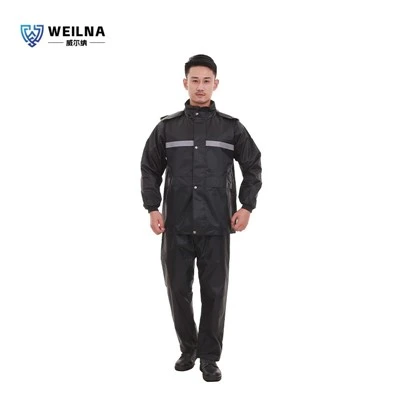
Now, the star of the show: the outer layer. This is the big one. Your outer layer has to do three things: protect you from the elements, stand up to rough treatment (lumber splinters, nail snags, sawdust), and not be so heavy that it slows you down. Let’s break it down. First, durability. Look for workwear that’s made with heavy-duty fabric—like canvas, cotton duck, or 1000D nylon. These are tough enough to resist snags from lumber, tears from sharp tools, and abrasion from rubbing against walls or studs. A lot of cheap outer layers will fray after a month, which is a waste of money—spend a little more on something that lasts 6 months instead of 2. Second, water resistance. If you work outside, a water-resistant outer layer is non-negotiable. It doesn’t have to be a fancy waterproof Gore-Tex jacket (unless you’re working in constant rain), but it should repel light rain and snow so you don’t get soaked. Look for “water-repellent finish” or DWR (durable water repellent) coating—this makes beads of water roll off instead of soaking in. Third, breathability. If your outer layer is totally waterproof but can’t let sweat escape, you’ll end up like a steamed bun inside. That’s a recipe for chaffing and discomfort. So balance is key—look for outer layers that have mesh vents under the arms or along the sides, so air can circulate. A lot of workwear brands make these now, and they’re not that much more expensive than the cheap stuff.
Wait, what about pants? Carpenters spend half their day crouching, kneeling, or crawling, so pants are super important. Let’s skip regular work jeans—they’re too restrictive and don’t have enough pockets for your small tools (nails, tape measure, utility knife). The best carpenter pants are work pants with reinforced knees, multiple deep pockets, and stretch panels. Reinforced knees? Yes, because if you’re kneeling on concrete or rough lumber all day, you don’t want a hole in your pants after a week. Some pants have built-in knee pad pockets, so you can slip in hard-shell knee pads (those are a must for any carpenter doing finish work or framing). Pockets: you need a tape pocket, a hammer loop, a nail pouch holder, and maybe a small pocket for your phone or keys. Regular jeans only have two back pockets and a tiny front one—total fail. Stretch panels: look for spandex or elastane in the waist or thighs—this lets you bend, squat, and climb ladders without feeling like your pants are going to split. I’ve had carpenters tell me they used to have to take off their pants just to climb a ladder, but now with stretch panels, they move way easier.
Now, the safety gear that’s part of your workwear—because no work outfit is complete without the stuff that actually keeps you from getting hurt. Let’s start with boots. Carpenters put their boots through hell: stepping on nails, slipping on sawdust, hauling heavy materials. So steel toe boots are non-negotiable, right? Wait, not just any steel toe—look for ones that are electrical hazard (EH) rated, so if you’re working near live wires, you’re protected. They should also have slip-resistant outsoles—sawdust, concrete dust, and wet wood are super slippery, and a fall can put you out of work for weeks. And make sure they’re waterproof, so if you’re working in a muddy job site, your feet stay dry. A lot of cheap steel toe boots are heavy and uncomfortable, so invest in a pair with cushioned insoles—you’ll be on your feet all day, and your feet will thank you. I’ve seen carpenters who skipped good boots end up with black toenails or even foot injuries that kept them off the job for months—so this is not a place to cut corners.
Next, gloves. You use your hands for everything, so gloves are a big deal. For general carpentry work, work gloves with grip (like rubber or silicone palms) are great—they keep you from slipping when holding lumber or tools. But if you’re doing fine work, like trim or cabinet installation, you need thin, dexterous gloves, so you can hold a small nail or trim piece without fumbling. And always have a pair of cut-resistant gloves for when you’re using a saw or working with sharp metal—those can prevent a bad cut that would take weeks to heal. Pro tip: keep multiple pairs on you—one for rough work, one for fine work, and a spare in your tool bag. I can’t tell you how many times a carpenter has come to me needing a new pair of gloves because theirs ripped mid-job.
Hard hats—obviously, but not just any hard hat. Look for ones that fit properly, have adjustable suspensions, and are rated for electrical hazards if you’re working near power lines. Some hard hats have extra features, like a built-in visor to keep sawdust out of your eyes, or a sweatband that wicks moisture. Also, make sure it’s not too loose—you don’t want it flying off if you’re hit by a falling stud. A lot of new carpenters pick up a cheap hard hat, but spending a little more on one that fits right will save you from a serious head injury.
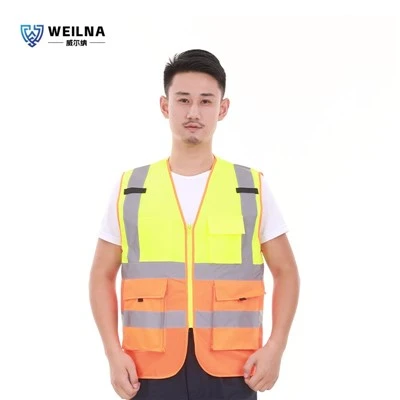
Wait, what about visibility? If you’re working on a job site with other trades (electricians, plumbers, construction workers), high-visibility workwear is a must—especially if you’re working near traffic or heavy machinery. Look for ANSI-rated high-visibility jackets or vests—these have reflective strips that make you visible even in low light, like early morning or evening jobs. I’ve seen too many accidents where a worker wasn’t visible, and high-visibility gear could have prevented it. It’s not just a rule—it’s a lifesaver.
Now, let’s talk about what to skip. I know it’s tempting to go for the cheapest workwear you can find, but here’s the thing: cheap workwear wears out fast, which means you’re spending more money replacing it every few months. The average carpenter spends $200-$300 a year on workwear if they buy cheap stuff, but if you buy high-quality workwear that lasts 1-2 years, you’re actually saving money. Also, skip the stuff that’s not designed for carpentry: like the tight, formal workwear you see for office jobs, or the thin athletic wear that doesn’t have enough pockets or durability. Athletic wear is great for the gym, but not for a job site—you don’t have the pockets, the durability, or the protection you need.
As a safety workwear supplier, I’ve worked with hundreds of carpenters, and the number one thing they tell me is that they want workwear that works as hard as they do. It’s not about looking cool (though that’s a bonus)—it’s about being comfortable, safe, and efficient. If your pants are too tight, you’re not going to move fast. If your boots are uncomfortable, you’re going to get tired midday. If your layers are wrong, you’re either sweating through your shirt or freezing by lunch.
At the end of the day, the best safety workwear for carpenters is the stuff that fits your specific job, protects you from the hazards you face, and lets you do your best work. Whether you’re a new apprentice just starting out or a veteran carpenter with 20 years on the job, don’t cut corners on your workwear—it’s your first line of defense on the job.
If you’re a carpenter looking to upgrade your workwear, or a job site manager looking to kit out your team with quality safety gear, we’re here to help. We can walk you through the best options for your specific needs, answer any questions you have about fit or safety ratings, and help you get the right gear without the hassle of overpaying. Reach out to us to connect for a procurement chat, and let’s make sure you’re protected on every job.
Industrial Protective Workwear References
- Occupational Safety and Health Administration (OSHA). (2022). Personal Protective Equipment (PPE) for Construction Workers.
- American National Standards Institute (ANSI). (2021). American National Standard for High-Visibility Safety Apparel.
- National Floor Safety Institute (NFSI). (2020). Slip-Resistant Footwear for Construction and Carpentry Work.
- International Code Council (ICC). (2021). Safety Standards for Framing and Carpentry Work Environments.
- American Society of Safety Professionals (ASSP). (2022). Workwear Durability and Fit for Manual Labor Trades.
Weierna Security Technology (Shandong) Co., Ltd.
With abundant experience, we are one of the most professional safety workwear manufacturers and suppliers in China. Please feel free to wholesale bulk top-quality safety workwear made in China here from our factory. We also accept customized orders.
Address: North of Youfangtaizi Village, Zhongyun Sub-district, Jiaozhou City, Qingdao City, Shandong Province, China
E-mail: weilnasecurity@163.com
WebSite: https://www.weilnasecurity.com/
