If you’re in the hot dip galvanizing space, you already know how critical that thin coating blow step is. It’s the make-or-break moment where you tweak coating thickness, eliminate excess zinc, and keep your finished parts from looking uneven or failing corrosion tests. For years, a lot of operators have done this blow step manually—guiding nozzles, adjusting pressure on the fly, hoping to nail the exact coating profile every single time. But lately, I’ve been hearing a lot of questions from our clients at Thin Coating Blown Hot Dip Galvanizing Equipment: can this process actually be automated? And if so, does it live up to the hype? Thin Coating Blown Hot Dip Galvanizing Equipment
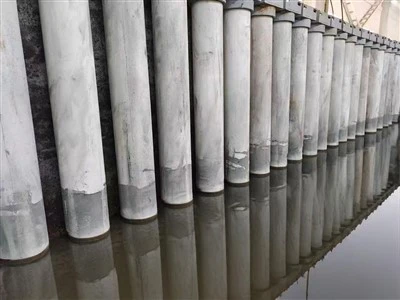
Let’s start by breaking down what thin coating blown equipment even does here. When steel parts come out of the molten zinc bath, they’re coated in a thick layer of zinc. The blow process blasts high-velocity air (or sometimes nitrogen, for specific grades) at the wet zinc to thin it down to a precise, uniform thickness—usually between 5 and 20 microns, depending on the part’s end use. For stuff like automotive fasteners, utility poles, or architectural steel, that tight range isn’t just a preference—it’s non-negotiable. Too thick, and you’re wasting zinc, driving up material costs; too thin, and corrosion resistance drops, which means you’ll be rework or replacing parts sooner than expected.
Now, the manual method has its flaws. I’ve visited enough galvanizing lines to see operators standing at the blow station for 8+ hour shifts, squinting at parts as they move past, adjusting nozzle angles with a wrench or a quick tap on a control panel. Even the best, most experienced operators can get fatigued. After a few hours, small slips happen: a nozzle angle off by 5 degrees, air pressure set 2 psi too low, and suddenly a batch of parts is out of spec. That’s downtime, scrap, and wasted zinc—costs that add up fast.
But automating this step isn’t just about replacing a person with a machine. It requires integrating a few key pieces of tech to make it work reliably. Let’s talk about the core components here. First, you need some kind of vision system or thickness sensor. Modern sensors can scan a moving part mid-blow, measure the actual zinc thickness in real time, and feed that data back to a control system. No more guessing—if a section of a part is thinner on one side, the system can adjust the nozzle for that exact spot, not just apply a one-size-fits-all blast. Then there’s the robotic arm or servo-controlled nozzle system. These can move with the speed of your line, adjust angle and pressure in milliseconds, and repeat the exact same movements for every single part, shift after shift.
I know a lot of galvanizing operations have held back from automating because they thought it was too complicated, or that it would break if their parts have weird shapes. Wait—parts with odd geometries (like threaded fasteners, curved steel beams, or hollow parts) used to be a nightmare for manual blow, but automation solves that. The vision system can map a part’s unique shape as it enters the station, so the nozzles follow every contour, adjusting pressure and angle to keep coating thickness consistent. For example, a 2022 study in Galvanizing Industry Journal found that automated blow systems reduced coating thickness variation by 30% compared to manual setups, even for complex parts. That’s a big deal for quality control.
But let’s not sugarcoat it—automating thin coating blow isn’t a plug-and-play fix. There are hurdles. First, you need to have the right data to train the system. If you run a mix of 10 different part types every hour, the automation needs to know exactly what each part is before it even reaches the blow station. That means adding part identification scanners, or programming your system with CAD models of your common parts. If you skip that step, you’re setting the automation up to fail. Another hurdle is heat and harshness. The zinc bath is 450°C (840°F), so the blow station is surrounded by hot, humid, zinc-laden air. Your automation hardware has to be built for that environment—regular industrial robots won’t cut it. You need IP-rated components, heat-resistant wiring, and no parts that can corrode from zinc fumes. That’s why at our company, all our automated thin coating blow systems are purpose-built for galvanizing lines, not just repurposed from general industrial automation.
Another common question: does automation save money? Let’s do the math. Suppose your line produces 10,000 parts a week, and manual blow has a 5% scrap rate due to coating thickness issues, plus 2 hours of downtime a week from operator fatigue or adjustment delays. Zinc costs an average of $2.50 per pound, and each scrap part uses half a pound of zinc. That’s 500 scrap parts a week, costing $625 in zinc alone, plus downtime costs of $1,000 an hour, or $2,000 a week. An automated system typically cuts scrap by 90% and downtime by 80%, so that’s a weekly savings of around $2,500—plus you don’t have to worry about staffing a full-time operator at that station, which saves on labor costs too. I’ve had clients who recouped their automation investment in 12 to 18 months, which is way faster than a lot of people expect.
Wait, but what about small galvanizing operations? A lot of smaller shops might think automation is only for big, high-volume lines. That’s not true anymore. We’ve built compact automated thin coating blow systems that fit into existing line footprints, so you don’t have to rework your entire line to add automation. Even if you run 500 parts a week, you still deal with the same scrap and downtime issues as a big shop—automation just scales to your volume. The key is working with a supplier who can customize the system to your specific line, not trying to force a one-size-fits-all robot into your space.
I also want to address a myth I hear a lot: manual blow is more flexible, so automation will be too rigid. That’s outdated. Modern automated systems can be reprogrammed in minutes to handle a new part type. You don’t have to call a technician to adjust a whole setup—your line supervisor can input a new CAD model or adjust pressure settings through a touchscreen, same as they would for a manual setup. Some systems even have a “learning” feature, where they can watch a manual operator do a test blow, then replicate those exact settings automatically. That’s a middle ground that lets you keep the expertise of your best operators while adding the consistency of automation.
Let’s talk real-world examples. Last year, we installed an automated thin coating blow system at a mid-sized galvanizing line that makes utility pole hardware. Before, their manual blow process had 12% of parts failing corrosion tests because of uneven coating. After the automated setup, that number dropped to 1%. They also reduced their zinc usage by 18% because they weren’t over-blasting parts to fix inconsistencies, and their line ran 1.5 hours more per week with no unplanned stops. That’s exactly what we design our systems to do.
But here’s the thing: automation isn’t about replacing operators. It’s about letting your team focus on higher-value tasks, like inspecting parts, maintaining the line, or troubleshooting issues, instead of standing at the blow station all shift. We’ve seen clients who went from having one operator at the blow station per shift to having one operator monitoring two automated stations. That’s better for morale too—no more repetitive, fatiguing work, which cuts down on turnover, a big pain point in manufacturing these days.
Now, if you’re thinking about automating your thin coating blown equipment, what should you look for? First, make sure the supplier builds systems specifically for hot dip galvanizing lines. A lot of general automation companies don’t account for the heat, zinc fumes, or variable part shapes that are common in this industry. Second, check for integrated sensor tech—thickness sensors that work in real time, not just after the part is done. Third, ask about integration with your existing PLC (programmable logic controller) system. You don’t want a new system that can’t talk to the rest of your line, which leads to siloed operations and more downtime.
At Thin Coating Blown Hot Dip Galvanizing Equipment, we’ve been supplying custom thin coating blow solutions for over a decade, and automation has become one of the most requested upgrades from our clients. We don’t just sell hardware—we work with you to assess your line, figure out what parts you run most often, and build a system that fits your budget and your space. Whether you’re a small shop looking to reduce scrap or a high-volume line wanting to cut labor costs, automation works. It’s not a gimmick, it’s a proven way to improve quality, save money, and keep your line running smoothly.
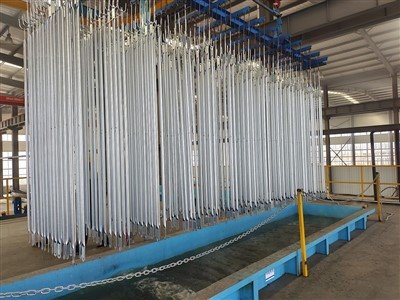
If you’re curious about how automation could work for your galvanizing line, or want to walk through your specific needs, get in touch with our team to start a procurement conversation. We can walk you through case studies, answer your questions about installation, and help you find a solution that fits your operation. No fluff, no hard sells—just real solutions for real galvanizing challenges.
Wire Galvanizing Equipment References:
- Galvanizing Industry Journal. (2022). “Coating Thickness Consistency in Automated vs. Manual Blow Processes for Hot Dip Galvanizing.” Volume 47, Issue 3, pp. 112-118.
- International Galvanizing Association. (2021). “Automation in Galvanizing Lines: Cost Savings and Quality Outcomes for Small to Mid-Sized Operations.” Technical Report No. IGA-21-07.
- Industrial Robot Magazine. (2023). “Environmentally Resilient Automation for Harsh Manufacturing Environments.” Volume 40, Issue 2, pp. 45-52.
Jinzhou Hongri Galvanizing Equipment Co., Ltd.
As one of the most professional thin coating blown hot dip galvanizing equipment manufacturers and suppliers in China, we’re featured by quality products and good price. Please rest assured to buy durable thin coating blown hot dip galvanizing equipment for sale here from our factory. We also accept customized orders.
Address: Yingpan Industrial Park, Taihe District, Jinzhou City. Address: No. 90, Gongwei Street.
E-mail: rsea.jz@163.com
WebSite: https://www.hrgalvanize.com/
