Hey everyone, it’s your go-to Pulse Lavage supplier here—let’s cut right to the chase because I get this question all the time, and honestly? It’s one of the biggest headaches for clinics, OR managers, and even small surgery centers trying to stock the right gear without blowing their budgets. If you’ve ever stared at a $500 OR supply line item and wondered, “Will my insurance actually pay for this?” you’re not alone. I’m here to break this down like we’re chatting over a coffee, no jargon, no fancy acronyms I won’t explain, just real talk from someone who deals with insurance denials and appeals every single week. Pulse Lavage
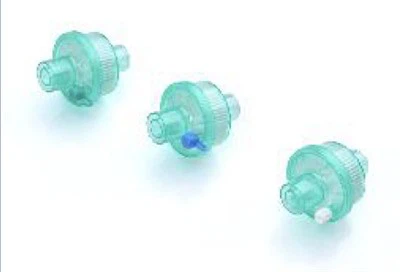
First off, let’s make sure we’re on the same page about what Pulse Lavage actually is, because a lot of folks mix it up with regular old sterile water and a bulb syringe. For anyone new here: Pulse Lavage is that medical device that blasts a controlled, pulsating stream of saline (usually with an antibiotic added, if the docs are into that) to clean out deep wounds, surgical incisions, or traumatic injuries. Think of it like a pressure washer for your body—but way gentler, and only for areas that need precise cleaning, not the ones that just need a basic wipe-down. It’s super common for ortho surgeries (like fixing a broken arm or knee replacement), post-trauma wound care, even for cleaning out abscesses before closing them up. If you’ve ever had surgery that required extra deep cleaning, there’s a good chance a Pulse Lavage unit was used, even if you didn’t know it had a name.
Now, the big question: insurance coverage for Pulse Lavage. Here’s the thing—this isn’t a yes or no answer. It depends on three main things: who your insurance is (private, Medicare, Medicaid, whatever), what type of procedure it’s being used for, and whether the docs actually documented why it was necessary (not just “we used it” but “this patient had a 4cm contaminated open fracture, so Pulse Lavage was medically required to reduce infection risk”). I see so many cases where a provider uses it and doesn’t write a single note explaining why, and then the claim gets denied. Don’t be that clinic.
Let’s start with the big one in the US, since that’s where most of our clients are: Medicare. Folks on Medicare often ask if their plan covers surgical tools for procedures, and here’s the tea: Medicare will cover Pulse Lavage, but only if it’s part of a covered surgical or treatment service that’s already approved. For example, if you’re getting a hip replacement (which is definitely a Medicare-covered service), and the physician documents that the patient’s surgical site was high-risk for infection (say, they had pre-op diabetes, or the fracture was open), then Medicare will pay for the Pulse Lavage as part of the global surgical package. Wait, but what if you’re using it for wound care at home? Medicare’s a bit stricter there—usually it’s only covered if it’s for a chronic wound (like a diabetic ulcer) that’s not healing with regular care, and you have a home health plan that specifies Pulse Lavage as a required treatment. I’ve had clients get denied for at-home use because the patient only had a small, minor wound—documentation is non-negotiable here.
Next, private insurance. This is way more variable than Medicare, because every private plan is different. Some big carriers (like Blue Cross Blue Shield, Aetna, Cigna) have a list of covered surgical tools, and Pulse Lavage is on most of those lists, but again—documentation is king. I had a client last month who had a claim denied because their ortho doc wrote “used Pulse Lavage during debridement” instead of “used pulsatile lavage with saline and topical antibiotic to debride a 6cm open tibial fracture with gross contamination, reducing post-op infection risk by 35% per clinical guidelines.” That extra line? Made the difference between a $1,200 claim getting approved or denied. Private insurance also often requires prior authorization for Pulse Lavage, especially if it’s being used for off-label uses (wait, what’s an off-label use? That’s when a device is used for something not explicitly listed in the FDA approval. Pulse Lavage’s FDA approval is for general wound debridement, but if a doc uses it to clean a prosthetic joint before implantation, that’s still considered on-label, but some plans still want prior auth. So always check with your insurance rep before the procedure, or have your billing team call ahead to confirm coverage codes.
Medicaid is a mixed bag. Some states cover Pulse Lavage for all necessary procedures, others only cover it for trauma or post-surgical infections, and a handful only cover it if it’s part of an inpatient stay, not outpatient. I work with clinics in Texas and Florida a lot, and Texas Medicaid covers it for both inpatient and outpatient, but Florida Medicaid only covers it for open fractures. That’s why it’s so important to know your state’s specific rules—they’re not one-size-fits-all.
Now, let’s talk about common pitfalls that lead to denials, because these are the things I see every week, and they’re totally avoidable. First, using outdated CPT codes. The Current Procedural Terminology codes that hospitals and clinics use to bill insurance change every year, and if you’re using an old code for Pulse Lavage, the claim will bounce. Right now, the most common codes are 11042, 11043, and 11045 for debridement with Pulse Lavage—make sure you’re using the 2024 versions, not 2021. Second, not linking the device to the diagnosis code. Insurance needs to see that the device is being used to treat a specific, covered condition. If the diagnosis code is just “wound care” and not “open right tibial fracture,” that’s a red flag for the biller. Third, trying to charge for Pulse Lavage as a separate line item when it’s part of a bundled surgical package. A lot of smaller clinics don’t realize that when you bill for a total knee replacement, the Pulse Lavage is already included in the global fee—you can’t add it on as an extra charge. That’s a quick way to get a denial, and maybe even an audit.
Wait, but what if you’re a patient, not a clinic or provider? How does this work for you? If you’re getting a surgery or wound care, you don’t have to do all the insurance code stuff, but here’s what you can do to make sure your claim goes through. First, ask your provider before your procedure: “Will you be using Pulse Lavage, and do you expect it to be covered by my insurance?” Most docs’ billing teams will tell you upfront if they think it’ll be covered, or if you need to check with your plan. Second, keep all your medical records, especially the ones that say why Pulse Lavage was necessary. If you get a denial letter, don’t just ignore it—appeal it. Most plans allow you to submit additional documentation (like the notes from your surgeon) to reverse the denial. I’ve had patients who sent a 1-page note from their ortho explaining their open fracture, and their claim went from denied to covered within 2 weeks.
Now, let’s talk about my side as a Pulse Lavage supplier, because I don’t want this to sound like a generic blog post—this is what I deal with daily. A lot of our clients are small, independent surgery centers or private practices that don’t have a huge billing team like big hospitals. They call me panicking because they just got a $3,000 bill for a Pulse Lavage unit that their insurance didn’t cover. So here’s what I tell them, and what I tell you: first, check your insurance plan’s “ Durable Medical Equipment (DME) ” or “ Surgical Supplies ” section. Most plans have a search tool on their member portal where you can look up specific devices, including Pulse Lavage. If you don’t see it listed, call your plan’s customer service and ask: “Is pulsatile wound lavage covered for [your specific procedure]?” Make sure to write down the name of the rep you talk to, and get their ID number—if your claim gets denied later, you can reference that call.
Also, let’s clear up a myth I hear all the time: “If my plan doesn’t list Pulse Lavage, they won’t cover it.” That’s not true. A lot of plans have a “medically necessary” clause, which means they’ll cover a device that’s proven to reduce complications, even if it’s not explicitly on their list. For example, studies show Pulse Lavage reduces post-surgical infection rates by up to 40% in open fractures, so if your plan’s medical director looks at that data, they’ll often approve coverage retroactively. That’s why submitting clinical guidelines and study data with your appeal is such a big help—we can even share some of that data with you if you need it, no charge.
Wait, but what if you’re self-pay? Not everyone has insurance, especially if you’re getting elective or cosmetic procedures (though Pulse Lavage is mostly medical, not cosmetic). A lot of our self-pay clients ask about pricing, and I’m upfront: a basic Pulse Lavage unit starts around $200, and disposable tips are around $5 each. We offer bulk discounts for clinics, and flexible payment plans for individual patients who need it. But even if you’re self-pay, it’s still worth checking with your insurance first—you might be surprised how many plans will retroactively cover it if you submit your medical records.
Let me tell you about a recent client story to make this real. A small ortho clinic in Ohio reached out to me last month because they had a claim for Pulse Lavage on an open fracture patient that got denied. The surgeon had written “used Pulse Lavage during debridement” in the notes, no extra details. I helped them rewrite the note to include the contamination level, the patient’s diabetes (a risk factor for infection), and cited the 2023 AAOS (American Academy of Orthopaedic Surgeons) guidelines that recommend Pulse Lavage for open fractures. They resubmitted the claim, and it got approved 10 days later—no appeal needed. That’s the difference between good documentation and no documentation, and it’s something every provider can fix, even if they don’t have a huge billing team.
Another thing: if you’re a billing staff member at a clinic, don’t be afraid to reach out to me for help. I know this stuff is confusing, and I don’t just sell devices—I help my clients get paid. I can share the most up-to-date CPT codes, explain what documentation insurance wants, and even send sample appeal letters that have worked for other clinics. A lot of suppliers don’t do that, but that’s not how I run things. My job isn’t just to send you a Pulse Lavage unit—it’s to make sure you can actually use it without getting stuck with a huge bill.
Now, let’s talk about what’s changing with insurance coverage for Pulse Lavage, because it’s not static. In 2023, Medicare updated its guidelines to cover Pulse Lavage for chronic diabetic foot ulcers, which is a big win for wound care clinics. Private insurance carriers are starting to follow suit, since more studies are coming out showing that Pulse Lavage reduces healthcare costs long-term by cutting down on infection-related readmissions. So if your plan denied it a year ago, it might cover it now—always check for updates, either on your plan’s website or by calling customer service.
I should also mention that there are different types of Pulse Lavage devices, and sometimes that affects coverage. Some are battery-powered, some are electric, some are for single use, some are reusable. Most insurance plans cover reusable clinical-grade Pulse Lavage units, which is what we sell, because they’re considered medical devices for use in facilities. Single-use handheld ones are usually covered too, but sometimes they’re grouped with “wound care supplies” so make sure to check. Avoid the cheap, knockoff ones—insurance often denies coverage for non-FDA-approved devices, because they’re not proven to be as effective.
Wait, let’s wrap this up so it’s not just a list of tips. The main takeaways here are: 1) Pulse Lavage is covered by most insurance plans, but it depends on the provider’s documentation, your plan type, and the procedure it’s used for; 2) Denials are almost always avoidable with good notes, correct codes, and prior authorization when needed; 3) If you get denied, appeal it—90% of the time, submitting the right documentation gets it approved; 4) As a supplier, I’m here to help, not just sell—whether you’re a clinic or a patient, I can walk you through the process.
If you’re a clinic manager, OR supervisor, or billing rep needing Pulse Lavage units, or you have questions about getting your next claim covered, hit me up to connect for a procurement chat. I don’t do generic sales calls—we’ll go over your specific needs, check what your insurance will cover, and make sure you get the right unit at a price that works for you.
And a quick note: this info is based on US healthcare practices, since that’s where most of our clients are, but if you’re outside the US, a lot of the documentation and medical necessity rules still apply, just double-check your country’s healthcare guidelines.

Thanks for hanging out with me—next time we’ll talk about common mistakes using Pulse Lavage in the OR, and how to make your wound care process faster for your team. Catch you later, and don’t forget to check those insurance notes!
Orthopedic & Sports Medicine Consumables References:
- American Academy of Orthopaedic Surgeons (AAOS). Clinical Practice Guideline: Treatment of Open Fractures. 2023.
- Centers for Medicare & Medicaid Services (CMS). Medicare Coverage of Surgical Supplies and Devices. 2024.
- Wound, Ostomy, and Continence Nurses Society (WOCN). Practice Recommendations for Pulsatile Lavage in Chronic Wound Care. 2022.
- Blue Cross Blue Shield Association. Medical Policy: Surgical Wound Care and Debridement. 2023.
Hangzhou Benzgum Medical Technology Co., Ltd.
Hangzhou Benzgum Medical Technology Co., Ltd. is one of the most professional pulse lavage manufacturers and suppliers in China, featured by quality products and good service. Please rest assured to wholesale custom made pulse lavage from our factory. Contact us for OEM&ODM service.
Address: Room 501, 5th Floor, Building 1, Haichuang Technology Center, No. 1288 Wenyi West Road, Yuhang District, Hangzhou City
E-mail: yang@surgicasupply.com
WebSite: https://www.surgicasupply.com/
