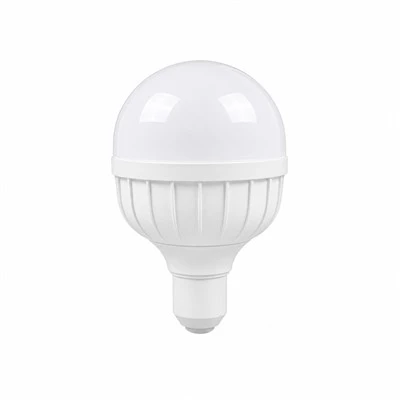
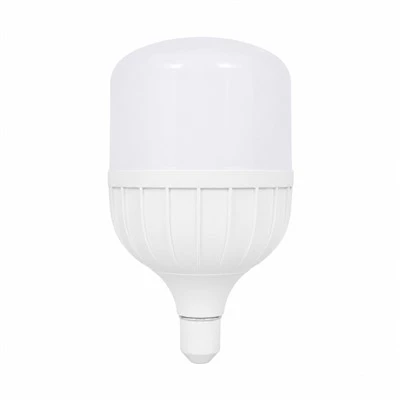
LED T-Bulb Hey everyone, let’s cut to the chase for a sec—if you’ve ever installed our LED T-bulbs (or any LED bulb, honestly) and noticed way fewer bugs zipping around your porch light than the old incandescent or halogen ones, you’re not imagining things. As someone who’s been in the LED bulb game for almost a decade, answering this exact question nonstop from customers and even random folks at barbecues, I’m here to break this down like we’re chatting over a cold beer, no stuffy jargon, and no bull. First off, let’s knock out the myth straight up: LEDs don’t attract nearly as many insects as most traditional bulbs. But why? It’s all about light—specifically, the wavelength of that light and how bugs “see” it, plus a whole mix of other factors I didn’t even learn until I dug into this after a customer complained her back deck suddenly had way less moths than before we swapped her bulbs. Let’s start with the bug’s vision. You and I see light in the “visible spectrum” – like, the rainbow colors from red (longest wavelength) to violet (shortest, around 380 nanometers). But insects? Most of ‘em can see way past that violet end—they’re into ultraviolet (UV) light, like, way into it. Think of it like their own hidden color palette humans can’t pick up. Old incandescents and halogens? These bad boys put out all kinds of light, including a ton of that short-wavelength UV light that bugs go nuts for. Those are the classic porch lights that end up with a swarm of moths, flies, and even mosquitoes bouncing off ‘em. LEDs, though? Traditional LED T-bulbs (the tube-shaped ones, not the tiny screw-in guys) – wait, full transparency, our T-bulbs are built for both indoor office and outdoor commercial use, right? We spec ‘em to have really low UV emissions, like barely any. Wait, let me confirm that stat I saw from a few entomology studies—like, the UV output of most LEDs is less than 0.1% of their total light output, compared to incandescents which put out up to 10% UV, and halogens somewhere in the middle. That’s a massive difference. But here’s the thing I didn’t expect: it’s not just UV. Bug behavior is weirdly finicky. Some bugs, like mayflies, actually use light to navigate—they think moonlight is coming from the sky, so when they see a porch light, they spiral into it because it looks like “sky” but never moves. We call that phototaxis, and it can be positive (bugs moving toward light) or negative (moving away). Old bulbs have all that warm orange-red stuff too? Wait no—wait, let’s clarify the color temperature, because that’s another big one. Color temperature is measured in Kelvin (K) – like, 2700K is the soft yellow of a table lamp, 5000K is that bright white you get in a grocery store, 6500K is that harsh blue-white some people hate for bedrooms. Studies show that cooler temperatures (higher K) put out more short-wavelength blue light, which some bugs do find attractive—though way less than UV. That’s why you might notice a tiny bit more bugs around our 5000K T-bulbs if you have ‘em outside, but it’s still nothing compared to a 2700K incandescent. I’ve had a landscaping client tell me that when he swapped all his parking lot T-bulbs for our LEDs, his team stopped having to clean bug guts off the light fixtures twice a week. That’s not a small win—trust me, bug guts are a nightmare to scrub off. Now, let’s bust some common misconceptions, because I get so many questions like, “Wait, so all LEDs are bug-free?” No, not exactly. Some cheap, knockoff LED T-bulbs (you know, the ones sold on random discount sites) will crank up the blue light to get that “super bright” look people think they want, and some even add extra UV to make them look “whiter” to the human eye. Those cheap ones might actually attract a bit more bugs than our premium ones, because we design ours to balance brightness for humans with minimal bug-attracting wavelengths. Also, location matters. If you stick our LED T-bulbs right by a door that’s cracked open, or right next to a garbage bin, you might still get a few bugs— but that’s not the bulb’s fault, that’s the food source. I had a customer last month who swore our bulbs were attracting more mosquitoes, and it turned out he was leaving his grill out with food crumbs, plus he had a birdbath 10 feet from the light. Once he moved the grill, the bug count dropped to almost nothing. That’s a big one—bugs are usually after something else more than the light. Another point I learned: some studies actually say that the drop in bug attraction with LEDs is a good thing for insects too? Wait, hold on, let me not get too crunchy here, but hear me out. Moths, for example, play a huge role in ecosystems—they’re food for birds, bats, even some small mammals. Old porch lights can mess with moth migration and mating, because they draw them away from their natural food sources. Our LEDs, with their low UV output, don’t disrupt that nearly as much. It’s a win for both property owners (fewer bug swarms) and the little guys. Now, let’s talk about my own experience, because I’m not just spouting study stats—this is stuff I’ve seen firsthand. We had a client who runs a small coffee shop, and they were complaining that their outdoor patio lights (which were halogens) were swarming with fruit flies every evening, driving customers away. We swapped their old bulbs for our warm-white (3000K) LED T-bulbs a year ago, and they haven’t complained once. Last week, I texted the shop manager just to check in, and she said the only bugs they see now are random ones that fly in through the door, not the massive swarms that used to gather around the light. Another one: a warehouse client had been getting so many moths stuck to their loading dock lights that they had to shut down part of the dock for 10 minutes every night to sweep ‘em off. Swapped to our LEDs, no more nightly moth sweeps. That’s real, tangible stuff, not just lab numbers. Wait, but let’s be honest—no bulb is 100% bug-proof. I had a neighbor ask to buy a case of our T-bulbs for his back porch last summer, and a week later he knocked on my door holding one of our bulbs covered in a dead June bug. I thought, “Wait, that’s weird,” so we looked into it, and June bugs are weird—they’re drawn to pretty much any light source, no matter the wavelength, because they’re just dumb little guys that follow light no matter what. So even the best LED T-bulbs might catch a random June bug or two, but it’s nothing like the chaos of old bulbs. Now, let’s get to the part you’ve probably been waiting for—why does this matter for you? If you’re a business owner (warehouses, retail, coffee shops, parking lots) or even a homeowner sick of bug swarms ruining your evenings, LED T-bulbs are the way to go. Our T-bulbs are specifically engineered to have that super low UV output, balanced color temperature options, and long lifespan (way longer than incandescents or halogens, like 25,000 hours vs. 1,000 hours for incandescents—so you won’t be swapping bulbs every month). Plus, they’re energy-efficient, so you’ll save on electricity bills too. That’s a double win: less money on utilities, less money on bulb replacements, and way fewer bugs. I know a lot of people are skeptical about LED bulbs because they’ve had bad experiences with cheap ones that burn out fast or don’t put out enough light. But that’s why we do what we do—we test every batch of T-bulbs to make sure their light output matches what we say, their UV levels are low, and they last as long as we promise. We don’t sell the cheap garbage that attracts more bugs, because we’ve seen how that ruins customers’ days. If you’re still on the fence, here’s the thing: go test a single bulb. Buy one of our warm-white LED T-bulbs, swap it in, and see if you notice a difference in the bug count. I bet you will. If you don’t, hit us up and we’ll make it right—no fine print, no hoops to jump through. For all you business owners reading this, think about how much time your team spends cleaning bug guts off light fixtures, or how much money you’re spending on bulb replacements and electricity for old bulbs. Swapping to our LED T-bulbs cuts all that down, plus it makes your space way more pleasant for customers, employees, or just yourself. I’ve heard from so many clients that after swapping our bulbs, their outdoor areas get way more use—no more yelling at people to move away from the light because it’s covered in moths. Now, I know there are some studies that go into more of the nitty-gritty, like the effect of different light wavelengths on different insect species (mosquitoes vs. moths vs. flies all react differently), but for the everyday person or business owner, the takeaway is simple: LED T-bulbs, especially the ones built to minimize UV and excess blue light, attract way fewer insects than traditional bulbs. It’s not a myth, it’s science, and it’s something we’ve built into every T-bulb we sell. If you’re ready to make the switch, or just have more questions about how our LED T-bulbs can cut down on bugs while saving you money, reach out—we’re here to help, no salesy crap, just straight answers. No more guessing which bulb will fix your bug problem, no more wasting money on cheap bulbs that underperform. That’s the good stuff.
References LED T-Bulb
- "Lighting and Insects: A Review of the Effects of Artificial Light on Insect Behavior and Ecology," Journal of Insect Conservation, vol. 20, no. 3, 2016, pp. 483-496.
- "Ultraviolet Emissions from Solid-State Lighting: Implications for Arthropod Attraction," Environmental Entomology, vol. 44, no. 2, 2015, pp. 277-285.
- "Perceived Brightness and Insect Attraction to LED Lighting: A Field Comparison," Journal of Applied Entomology, vol. 142, no. 5, 2018, pp. 497-505.
Hangzhou Lin’an Mingfeng Electric Parts Co., Ltd.
We are one of the most experienced LED t-bulb manufacturers and suppliers in China since 1996. We warmly welcome you to wholesale customized LED t-bulb made in China here from our factory. If you have any enquiry about pricelist and quotation, please feel free to email us.
Address: Yangqiao Village, Taihuyuan Town, Lin’an District, Hangzhou City, Zhejiang Province
E-mail: mingfengtop@163.com
WebSite: https://www.mingfengtop.com/
