Hey there! I’m a supplier of Butadiene Vinyl – pyridine Latex, and today I want to chat about the signs of its degradation. You know, keeping an eye on these signs is super important for both us suppliers and you buyers out there. Butadiene Vinyl-pyridine Latex
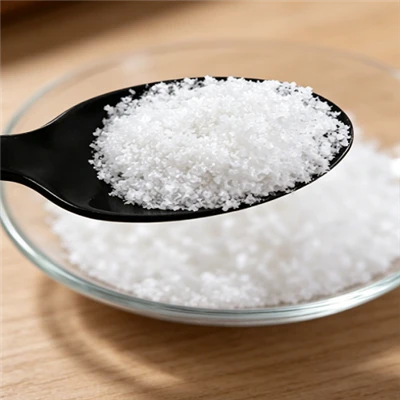
First off, let’s talk about the physical changes that can be a dead – giveaway of degradation. One of the most obvious signs is a change in color. When Butadiene Vinyl – pyridine Latex is in good shape, it usually has a consistent, milky – white appearance. But as it starts to degrade, it might turn a yellowish or even brownish color. This discoloration happens because of chemical reactions taking place within the latex. Oxidation is one of the main culprits here. When the latex is exposed to oxygen over time, the chemical bonds start to break down, and that leads to the formation of new compounds that cause the color change.
Another physical change to watch out for is a shift in viscosity. Normally, the latex has a certain thickness that allows it to be used effectively in various applications. But when degradation kicks in, the viscosity can either increase or decrease. If it increases, the latex becomes thicker and more difficult to pump or spread. This can be a real pain in the neck during manufacturing processes. On the other hand, if the viscosity decreases, the latex becomes too runny. It won’t hold its shape as well, and that can affect the quality of the final product. For example, in the rubber industry, if the latex used to make tires becomes too runny due to degradation, the tire might not have the right amount of traction or durability.
The smell is also a great indicator. Fresh Butadiene Vinyl – pyridine Latex has a mild, almost neutral odor. However, as it degrades, it can start to emit a strong, unpleasant smell. This odor is often a result of the breakdown of the polymers in the latex. Some of the by – products of this breakdown are volatile organic compounds (VOCs), which have a distinct and not – so – nice smell. If you open a container of latex and are hit with a strong, funky odor, chances are the latex has started to degrade.
Now, let’s dive into some of the performance – related signs. When using Butadiene Vinyl – pyridine Latex in applications like textile impregnation, one of the key things is its adhesion properties. A degraded latex will have poor adhesion. In the textile industry, the latex is used to bond fibers together or to attach coatings to fabrics. If the latex has degraded, it won’t stick well to the fibers or the fabric surface. This means that the treated textiles might start to lose their strength, and the coatings can peel off easily.
In the rubber compounding process, the latex is used to improve the properties of rubber products. A degraded latex won’t contribute to the rubber’s performance as it should. For instance, it won’t enhance the rubber’s abrasion resistance or its flexibility. The rubber products made with degraded latex might wear out more quickly, crack easily, or not be able to withstand the same level of stress as those made with fresh latex.
The stability of the latex is another important aspect. Normally, Butadiene Vinyl – pyridine Latex is stable, meaning it doesn’t separate or coagulate easily. But when it degrades, it can start to coagulate. You might notice small lumps or clumps forming in the latex. This is a big problem because it makes the latex unusable in many applications. If you’re trying to use coagulated latex in a manufacturing process, it can clog up the equipment, leading to production delays and increased costs.
There are also some environmental factors that can cause or speed up the degradation process. Temperature is a major one. High temperatures can accelerate the chemical reactions that lead to degradation. If the latex is stored in a place where the temperature gets too high, say above 50 degrees Celsius, the degradation will happen much faster. Sunlight is another enemy. Ultraviolet (UV) rays in sunlight can break down the polymers in the latex. So, if the latex is exposed to direct sunlight for long periods, it’s going to degrade more quickly.
Moisture can also play a role. If the latex comes into contact with too much water, it can cause hydrolysis, which is a chemical reaction where water breaks down the polymers. This can lead to all the signs of degradation we’ve talked about – color change, viscosity shift, and poor performance.
As a supplier, I always make sure to store the Butadiene Vinyl – pyridine Latex under the right conditions to prevent degradation. We use climate – controlled warehouses to keep the temperature and humidity in check. And we also make sure to protect the latex from sunlight. But sometimes, despite our best efforts, degradation can still occur during transportation or storage at the buyer’s end. That’s why it’s important for you, the buyers, to be aware of these signs.
If you notice any of these signs of degradation in the Butadiene Vinyl – pyridine Latex you’ve purchased, don’t hesitate to reach out to me. We can work together to figure out the best solution. Maybe it’s a matter of adjusting the storage conditions, or in some cases, we might need to replace the degraded product.
I know that finding a reliable supplier of high – quality Butadiene Vinyl – pyridine Latex is crucial for your business. And I’m here to offer you just that. Our latex is produced under strict quality control measures to ensure its stability and performance. We’ve been in the business for a while, and we have a great track record of providing top – notch products to our customers.

So, if you’re in the market for Butadiene Vinyl – pyridine Latex, or if you have any questions about the product or its degradation, feel free to get in touch. Let’s start a conversation and see how we can work together to meet your needs. Whether you’re in the textile, rubber, or any other industry that uses this latex, I’m confident that we can provide you with the best product and service.
Thiazoles References:
- "Polymer Science and Technology" by Morton, M.
- "Handbook of Elastomers" edited by N. G. Gaylord and S. L. Cooper.
Heze Great Bridge Chemical Co., Ltd.
With abundant experience, we are one of the most professional butadiene vinyl-pyridine latex manufacturers and suppliers in China. We warmly welcome you to buy high quality butadiene vinyl-pyridine latex in stock here and get pricelist from our factory. Good service and reasonable price are available.
Address: No.1679 Renmin Road,Heze City,Shandong,China
E-mail: export@greatbridge-chem.com
WebSite: https://www.greatbridgechem.com/
