If you’ve ever driven past a midwest cornfield in late fall, watched a farmer calibrate a irrigation boom on a hot summer afternoon, or seen a crew anchor fencing for a new livestock pasture, you’ve probably never thought about the small, unassuming metal pieces holding the whole operation together. For the past seven years, I’ve worked as a link fittings supplier, traveling to farms from Iowa to Ohio to Saskatchewan, and I can tell you this: most farmers don’t realize how many parts of their day-to-day operations depend on the link fittings I sell—until one breaks, and everything grinds to a halt. Link Fittings
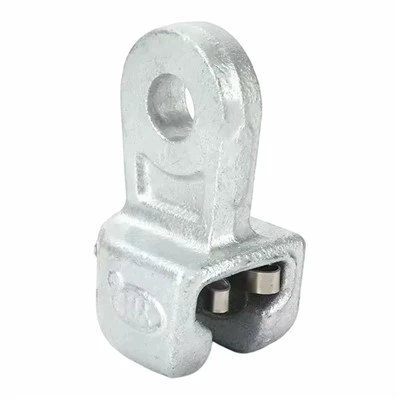
Link fittings are the unsung fasteners of modern agriculture. Unlike standard bolts or nails, they’re precision-engineered connectors made from galvanized steel, stainless steel, or sometimes powder-coated alloy, designed to link two load-bearing components together while allowing for controlled movement, tension adjustment, or angular shift. That flexibility is what makes them irreplaceable in an industry where equipment operates in extreme temperatures, variable soil conditions, and constant physical stress. Let’s walk through the most common applications I see on farms every day, and why picking the right link fitting can save a farmer thousands in downtime and repair costs.
First up: irrigation systems, the backbone of large-scale crop farming, especially in regions with inconsistent rainfall. I once visited a 2,000-acre corn farm in central Illinois that spent 12 hours a day running its center pivot irrigation system during the 2022 drought. The system has roughly 1,000 individual link fittings across its 1,400-foot boom, each holding together the pivot segments, the spray nozzles, and the support legs. Here’s the thing about center pivots: they move slowly, but under full load, the boom can sag by several inches as it crosses uneven terrain, and the links have to compensate for that shift without pulling loose or snapping. A standard bolt would seize up after just a few weeks of this constant angular movement, but a correctly sized link fitting lets each pivot section flex slightly as it rolls over a small ditch or a rocky patch, keeping the spray nozzles at a consistent height above the crop canopy. Last year, that farm replaced three rusted, undersized link fittings that had been causing uneven water distribution; within a month, their crop yields went up 7% because each row got the exact amount of water it needed. I can’t count how many times I’ve gotten a frantic call at 2 a.m. from an irrigation manager whose pivot went down at the start of a heatwave—9 times out of 10, the issue is a broken link fitting that snapped under tension. We get a rush order out, and they’re back up by dawn, which can mean the difference between a successful harvest and losing half their corn to drought stress.
Next, livestock fencing and corral systems, which have come a long way from the simple wooden posts and wire of 50 years ago. Modern cattle and hog operations use high-tensile wire fencing because it’s strong enough to hold large animals without sagging, but that same high tension creates a problem: if a post leans, or a wire gets tugged by a bull or pulled by a farm truck, the connection point has to absorb that shock without breaking. Link fittings are critical here because they allow farmers to adjust fence tension without re-stretching entire sections. For example, when I set up a demo for a family farm in western Iowa that raises 200 head of Angus cattle, I showed them how to use toggle link fittings to connect the main high-tensile fence line to the corner posts. The toggle link’s adjustable pins let them tighten the fence to exactly 200 pounds of tension (the industry standard for cattle fencing) without having to cut and re-splice wire, which saves hours of work. We also use swivel link fittings for temporary grazing fences—those movable pastures that let cattle graze on a rotational basis to improve soil health and reduce parasite loads. The swivel links let the fence sections bend around corners and adjust to uneven ground, so farmers can move the entire fence line in an hour instead of rebuilding every post. I’ve seen too many farmers cut corners here, using cheap bolts instead of link fittings, and by the end of the grazing season, they’re replacing half their fence connections because the bolts seized up in the mud and broke when the cattle pushed against the fence. For a 10-mile grazing fence, that adds up to thousands in extra repair costs, not to mention the risk of cattle escaping and getting lost or injured.
Another application I see more of every year is in agricultural equipment, specifically harvesters, seed drills, and hay balers. Harvest season is the most stressful time on a farm—equipment runs 16 hours a day, in mud, dust, and extreme heat, so every component has to be reliable. Link fittings are used here to connect auxiliary equipment to the main tractor, and also to connect moving parts on the equipment itself. For example, a round hay baler has a knotter mechanism that ties twine around the hay bale; that mechanism moves thousands of times an hour, and each connection in the knotter uses small, precision link fittings. If one of those links breaks mid-harvest, the baler stops, and you’re looking at 2-3 hours of downtime while a mechanic tears apart the baler to replace the part. Last year, a wheat farmer in Kansas called me during harvest because his baler’s link fitting broke, and he was losing $150 an hour in lost hay. We shipped a custom-sized stainless steel link fitting overnight, and he was back running by the next morning. For seed drills, which plant seeds in precise rows, link fittings connect the seed tubes to the drill frame, allowing the tubes to move slightly as they go over rocks, so they don’t plug or break. A plug in a seed tube means missing seeds in a row, which reduces yield by up to 10%—so getting that connection right is non-negotiable.
Grain storage and handling systems are another big one, and I can’t stress enough how important link fittings are here, especially for safety. Grain bins, which hold tens of thousands of bushels of corn, wheat, or soybeans, rely on aeration systems to keep the grain dry and prevent mold during storage. Those aeration systems have fans and ductwork that run along the bottom of the bin, and the connections between duct segments use link fittings. If a link fitting fails, air leaks out, and sections of grain can get too moist, leading to mold or even insect infestations. I also work with farmers who handle grain elevators, where link fittings connect conveyor belts, bucket elevators, and the chutes that move grain from trucks to bins. A broken link fitting on a conveyor chute can cause a grain spill, which is not just a waste of product—it’s a major slip hazard for workers, and can even cause fires if grain dust builds up. Last year, I visited a grain elevator in Minnesota that had a near-miss when a faulty bolt on a chute connection broke, spilling 500 bushels of soybeans and almost hitting a worker. We replaced all the bolted connections with heavy-duty link fittings rated for high load and dust resistance, and they haven’t had an issue since. Safety is always the top priority for farmers, and link fittings play a huge role in preventing accidents in grain operations.
Now, you might be wondering: why not just use standard fasteners? The short answer is that standard fasteners don’t handle the specific conditions of agriculture. Farm environments are harsh: constant exposure to rain, mud, fertilizer, and pesticides eats away at cheap bolts, leading to rust and failure. Equipment moves over uneven terrain, so rigid connections like bolts seize up or snap under stress. And unlike residential or commercial applications, agriculture requires components that are easy to adjust and replace without special tools—farmers don’t have time to wait for a mechanic or order custom parts for a small fence or irrigation boom. That’s where link fittings stand out. Galvanized steel link fittings resist corrosion for 10-15 years, even in the muddiest pastures or most humid grain bin environments. They’re designed to pivot and adjust under load, so they don’t seize up like standard bolts. And they’re easy to install with basic pliers or a wrench, so a farmer can replace a broken fitting in 5 minutes instead of hours.
I’ve been in this business long enough to see trends change, and right now, the biggest demand I’m seeing is for corrosion-resistant link fittings for organic farms. Organic farmers don’t use synthetic pesticides or fertilizers, so their equipment and fences are exposed to more natural elements like manure and acidic organic matter, which eat away at standard galvanized steel. I’ve started carrying stainless steel link fittings specifically for organic operations, and the feedback has been incredible—they’ve cut their replacement costs by 40% because they don’t have to replace rusted fittings every two years.
If you’re a farmer, rancher, or agricultural equipment manager reading this, I know you’re busy—you don’t have time for downtime, you don’t want to overpay for parts, and you need solutions that work in the real conditions you face every day. Over the years, I’ve worked with farms big and small, from 50-acre family operations to 10,000-acre commercial agribusinesses, and I’ve learned that there’s no one-size-fits-all when it comes to link fittings. Some applications need heavy-duty steel that can handle thousands of pounds of tension, others need small, precision stainless steel parts for baler mechanisms, and some need adjustable fittings for rotational grazing fences.
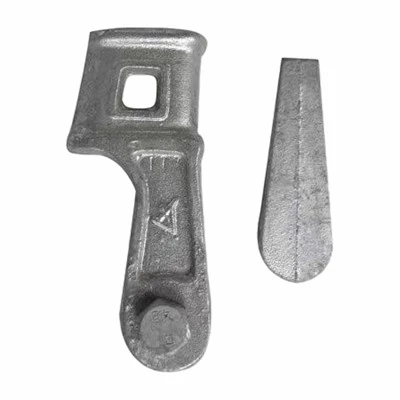
If you’re dealing with broken link fittings, uneven irrigation, fence sag, equipment downtime, or grain storage safety issues, I’d be happy to work with you to find the right solution for your operation. I don’t push cheap, low-quality parts just to make a sale—my business is built on repeat customers who trust that I’ll give them a link fitting that works as hard as they do. Whether you need a single replacement part for your center pivot or a bulk order for a new grain bin system, reach out to connect with our team to discuss your needs. We’ll provide tailored advice, fast shipping, and parts that are built to last through harvest after harvest, heatwave after heatwave.
Power Fittings References:
- American Society of Agricultural and Biological Engineers (ASABE). (2021). Agricultural Equipment Standards for Fasteners and Connectors. ASABE International.
- National Farm Medicine Center. (2022). Occupational Safety Hazards in Large-Scale Livestock and Crop Operations. Marshfield Clinic Research Institute.
- United States Department of Agriculture (USDA). (2023). Irrigation System Efficiency and Maintenance Guidelines for Field Crops. USDA Natural Resources Conservation Service.
- Grain Elevator and Processing Society (GEAPS). (2022). Safety Standards for Grain Handling Equipment and Infrastructure. GEAPS International.
- University of Extension Agriculture. (2021). Rotational Grazing Fence Design and Maintenance for Midwestern U.S. Operations. Land Grant Universities Consortium.
Hebei Tongchuang Power Fittings Co., Ltd.
With abundant experience, we are one of the most professional link fittings manufacturers and suppliers in China. Please feel free to buy advanced link fittings for sale here from our factory. Good service and quality products are available.
Address: Houxiaohan Industrial Zone, Xingbieying Town, Hejian City, Hebei Province, P.R. China
E-mail: tongchuangepf@gmail.com
WebSite: https://www.tongchuangpower.com/
