Hey everyone, let’s cut to the chase—if you’re reading this, chances are you’ve got a desktop water bottle sitting right next to your keyboard, or you’ve been stressing about why it smells weird after a week of not cleaning it properly. As someone who runs a small desktop water bottle supply operation, I’ve talked to SO many customers who ask me the same question: “What’s the actual best way to store this thing so it stays fresh, works right, and doesn’t become a gross science experiment on my desk?” Spoiler alert: it’s not just shoving it in a drawer or leaving it open on your monitor. I’ve tested so many hacks over the years (yes, even the “fill it with rice to fix a leak” garbage—don’t do that), and today I’m breaking down the science-backed, real-world way to store your desktop bottle, no fancy gear required. Desktop Water Bottle

First off, let’s get one thing straight: a desktop water bottle isn’t a gym bottle you chug and toss every day. It’s supposed to hang out within arm’s reach—right by your laptop, keyboard, or mouse pad—so it’s easy to grab for a sip between meetings or while you’re cranking out a project. That means its storage spot is your desk, not a backpack, fridge, or cabinet. But a lot of people mess up where they set it on their desk, and that’s where the problems start. Let’s talk about desk placement first, because that’s the most common mistake I see.
I used to keep my own desktop bottle right next to my coffee mug, like most people do, until I noticed mold growing on the bottom gasket after a month. Turned out, that spot is too close to my desk’s corner—dark, and barely gets any air flow. What’s the science here? Mold and bacteria thrive in warm, damp, low-oxygen environments, right? Your desk spot isn’t just a random flat surface; if it’s tucked between two cords, under a stack of papers, or in the shadow of your monitor, that’s exactly the environment those little buggers love. So rule #1: pick a spot on your desk that gets as much natural (or even artificial) light as possible, and isn’t cramped. I now keep mine on the edge of my desk, closest to the window—sunlight kills 99.9% of common bacteria in 10 minutes, no bleach required. Win-win.
Wait, but what if your desk is already full? Like, you’ve got two monitors, a keyboard, a keyboard stand, a desk lamp, and that random potted succulent you forgot to water. Don’t shove the bottle under the succulent! If you have to tuck it somewhere, at least make sure there’s at least an inch of space around it for air. That’s not a random tip—air circulation is key to preventing moisture buildup, which is where that weird plastic or rubbery smell comes from. I once had a customer email me saying their bottle smelled like “old socks” for weeks, and when I asked where they stored it, they said it was in their desk drawer every night. Oh boy, that’s a no-go. Drawers are totally enclosed, no air flow, so even if you dry the bottle perfectly, the trapped moisture will make it stink within a day.
Now, let’s talk about when the bottle is empty—most people make this mistake too. If you’re done drinking for the day, don’t just leave it closed or half-full on your desk. Half-full = moisture trapped in the empty space, perfect for bacteria to grow. Closed = same exact thing, just no air at all. The best move here, science-wise, is to leave it completely empty and wide open every single time you’re not using it. I know, it sounds like it’ll collect dust, but trust me—dust is way easier to clean than bacteria and mold, which can get into the crevices of your bottle (especially the silicone parts) and be impossible to get rid of. A quick wipe with a paper towel over the opening every few days is way less work than scrubbing mold off a gasket, let me tell you.
Wait, but what about people who use insulated stainless steel desktop bottles? Those are super popular for keeping water cold all day, but they have their own storage rules. I see a lot of people with these leave them on metal surfaces, like their metal desk or even their laptop base (gross, by the way—your laptop heats up, and the bottle’s insulation will hold that heat, making water warm faster). The science here is that stainless steel can scratch, and scratches are breeding grounds for bacteria. So if you have an insulated bottle, put a small silicone mat or even a folded paper towel under it on your desk. That prevents scratches, keeps it from sliding (so you don’t knock it over and spill water all over your work—ask me how I know), and also lets a tiny bit of air under the bottom, which stops moisture from getting trapped between the bottle and the desk.
Another big question I get: should I store my desktop water bottle with the cap on or off, even when it’s in use? A lot of people think keeping the cap closed keeps water cleaner, but that’s not true. If you’re sipping from it all day, tiny bits of food, saliva, and even air get inside the bottle. Closing the cap traps those contaminants, and by the end of the day, when you leave it closed, those contaminants have 8 hours to turn into gunk. I recommend only putting the cap on when you’re moving the bottle from one spot to another, like if you’re taking it to a meeting. When it’s sitting on your desk, keep the cap loose, or even off if you’re worried about dust (just wipe the opening first!). That way, any moisture evaporates, and there’s no trapped gunk.
Wait, let’s not forget about cleaning, which ties directly into storage. If your bottle isn’t clean, no matter where you store it, it’ll get gross fast. I tell all my customers to give their desktop bottle a quick wash with dish soap every other day, and a deep clean once a week with baking soda and warm water. A lot of people use those little bottle brushes, but if you don’t have one, a long straw brush works too—just make sure you get the bottom and the gasket, which are the hardest parts to reach. Once it’s clean, you need to dry it completely before storing it—even a tiny drop of water is enough to start bacteria growth. I usually leave mine upside down on the edge of my desk overnight, propped up by a small jar so air can get under the opening. That’s a trick I picked up from a lab friend—they dry beakers the same way, and it works way better than leaving it upright.
Is there a time when you can break these rules? Like, if you’re going on a 2-day work trip and can’t bring your bottle with you? Well, if you have to leave it at your desk, make sure you empty it completely, leave the cap off, and prop it open with a pen or something so it’s not lying flat. Just try to avoid that scenario entirely, though—travel bottles are meant for trips, desktop bottles are meant for your desk, so they don’t work the same.
Now, as someone who sells these things, let me be real with you: I’ve seen a lot of cheap “storage hacks” online that are just garbage. Don’t stick your bottle in the fridge to keep it fresh—fridges are damp, and if you leave it in there too long, it’ll pick up all kinds of food smells (I once had a customer who stored their bottle next to a block of cheese, and their water tasted like parmesan—never again). Don’t use bleach to clean it and then store it, because bleach residue is bad for you, and it can leave a weird taste. Don’t wrap it in a towel to store it, because towels hold moisture and trap it against the bottle.
The bottom line here is that storing your desktop water bottle correctly is all about reducing moisture, increasing air flow, and keeping it in a spot where it can stay dry. I’ve tested all these tips for years, and since I started following them, my own bottle has never smelled weird, never had mold, and has lasted twice as long as my old ones.
If you’re in the market for a new desktop water bottle that’s built to handle all this—sturdy, easy to clean, and fits perfectly on any desk—we’ve got a range of options designed exactly for this. If you’re looking to buy in bulk for your office, team, or retail store, feel free to reach out to chat about pricing, custom options, or any other questions you have. We’re here to help you get the right bottle for your needs, no hoops to jump through.
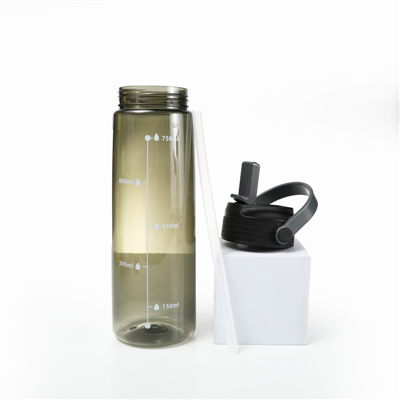
At the end of the day, your desktop water bottle is supposed to make your life easier, not stress you out about storage. Follow the simple tips I mentioned—store it in a well-lit, airy desk spot, leave it open when not in use, dry it completely before storing, and keep it clean—and you’ll have a fresh, great-tasting bottle of water every single day.
Sports Water Bottle References:
- Environmental Protection Agency. (2021). “Bacteria and Mold Growth in Reusable Water Bottles.” EPA Indoor Air Quality Guidelines.
- University of Michigan Health. (2022). “How to Keep Reusable Water Bottles Clean and Odor-Free.” Michigan Medicine Health Tips.
- International Journal of Food Microbiology. (2019). “Surface Contamination and Bacterial Growth on Insulated Stainless Steel Drinkware.” Volume 307.
- National Sanitation Foundation (NSF). (2020). “Best Practices for Cleaning and Storing Reusable Drinking Containers.” NSF International Food Safety Guidelines.
Polywell International
Polywell International is one of the most professional desktop water bottle manufacturers and suppliers in China, featured by quality products and good price. Please rest assured to buy advanced desktop water bottle made in China here and get quotation from our factory. Customized orders are welcome.
Address: Building 3, Chengzhou Industrial Zone, No.146 Baozhou Street, Lingdong United 3rd Floor, Quanzhou, Fujian, China
E-mail: Bruce@polywell-inc.com
WebSite: https://www.cndrinkware.com/
