As an industrial cabinet lock supplier deeply entrenched in the world of security and storage solutions, I understand the importance of maintaining and cleaning these essential components. Industrial cabinet locks are not just ordinary items; they are the guardians of valuable assets, protecting equipment, tools, and sensitive materials from unauthorized access. Over time, just like any mechanical device, these locks can accumulate dirt, dust, and debris, which can affect their performance and lifespan. In this blog, I’ll share my insights and practical steps on how to clean an industrial cabinet lock effectively. Industrial Cabinet Lock
Understanding the Anatomy of an Industrial Cabinet Lock
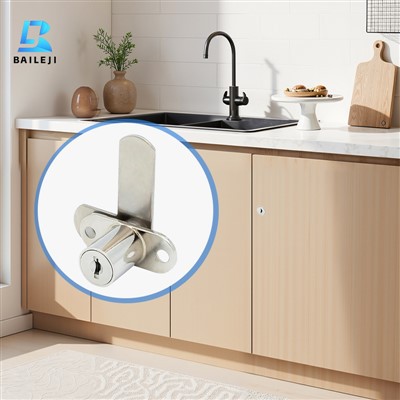
Before diving into the cleaning process, it’s crucial to have a basic understanding of how an industrial cabinet lock works. Most industrial cabinet locks are made up of several key components, including the lock cylinder, the lock body, and the locking mechanism. The lock cylinder is the part where you insert the key, and it contains the pins and tumblers that align to allow the lock to turn. The lock body houses the internal components and is usually attached to the cabinet door. The locking mechanism is what engages with the strike plate on the cabinet frame to secure the door.
Each of these components can collect dirt in different ways. For example, the lock cylinder can accumulate dirt from the keys being inserted and removed, as well as from the environment around it. The lock body can collect dust and debris through small openings or from the movement of the door. Understanding these points is essential as it helps us target the cleaning process more effectively.
Tools and Materials Needed for Cleaning
To clean an industrial cabinet lock properly, you’ll need a few essential tools and materials. Here’s a list of what you’ll need:
- Compressed air canister: This is excellent for blowing out loose dirt and debris from the lock cylinder and other hard – to – reach areas.
- Lock lubricant: A high – quality, graphite – based lubricant is ideal for industrial locks. It reduces friction and protects the internal components from rust.
- Small brush: A soft – bristled brush, such as an old toothbrush, can be used to gently scrub the lock’s exterior and interior components.
- Microfiber cloth: This is used to wipe away dirt and apply lubricant. Microfiber is soft and won’t scratch the lock surface.
- Isopropyl alcohol: For more stubborn dirt and grime, isopropyl alcohol can be used to clean the lock parts.
Step – by – Step Cleaning Process
Now that we have all the necessary tools and materials, let’s break down the cleaning process into steps:
Step 1: Preparation
First, make sure the cabinet is empty or that any valuable items are secured. This is to prevent any accidental spills or debris from getting into the cabinet. Also, ensure that you have turned off any power sources near the cabinet if it’s in an industrial setting with electrical equipment.
Step 2: Exterior Cleaning
Use the microfiber cloth to wipe the exterior of the lock to remove any surface dust or dirt. If there are stubborn stains, dip a corner of the cloth in a small amount of isopropyl alcohol and gently rub the stained area. Be careful not to use too much alcohol, as it can damage the finish of the lock.
Next, use the small brush to gently scrub the keyway opening. The keyway is often filled with dirt that can accumulate from daily use. Scrub the inside walls of the keyway to loosen any debris.
Step 3: Blowing Out Loose Debris
Take the compressed air canister and hold it a few inches away from the keyway. Press the nozzle to release short bursts of air into the keyway and other small openings on the lock. This will blow out loose dirt, dust, and other debris that has been loosened by the brushing.
Also, direct the air at the lock body, focusing on any seams or gaps where dirt may have collected. This helps to dislodge particles that are trapped in these areas.
Step 4: Lubrication
After removed most of the dirt, it’s time to lubricate the lock. Apply a small amount of graphite – based lubricant into the keyway. Insert the key into the keyway and turn it back and forth several times to distribute the lubricant evenly inside the lock cylinder.
The lubricant also helps to protect the internal components from corrosion. You can also apply a small amount of lubricant to the moving parts of the lock body, such as the bolts and the locking mechanism.
Step 5: Final Wipe – Down
Use the microfiber cloth to wipe away any excess lubricant from the exterior of the lock. This not only gives the lock a clean appearance but also prevents the lubricant from attracting more dirt in the future.
Troubleshooting Common Issues
Even after a thorough cleaning, you may encounter some issues with the industrial cabinet lock. Here are some common problems and how to address them:
- Stiff key turning: If the key is still difficult to turn after cleaning and lubricating, there may be some internal damage to the lock cylinder. In this case, it may be necessary to replace the lock cylinder or the entire lock.
- Lock not engaging properly: If the lock does not engage with the strike plate on the cabinet frame, check to see if the strike plate is misaligned. You may need to adjust the position of the strike plate so that the lock can engage smoothly.
- Visible rust: If you notice rust on the lock, it’s important to address it immediately. Use a rust remover appropriate for the lock material and then apply a corrosion – resistant coating.
Maintenance Tips for Long – Term Performance
Cleaning an industrial cabinet lock is not a one – time task. To ensure the long – term performance and reliability of your locks, here are some maintenance tips:
- Regular cleaning: Make it a habit to clean your industrial cabinet locks at least once every few months, depending on the environment they are in. If the cabinet is in a dusty or dirty environment, more frequent cleaning may be required.
- Inspection: Regularly inspect the locks for signs of wear and tear, such as loose parts or visible damage. Early detection can help prevent more serious problems down the road.
- Proper key use: Remind users to insert and remove keys gently to avoid damaging the lock cylinder. Using the wrong key or forcing the key into the lock can cause significant damage.
Conclusion

Cleaning an industrial cabinet lock is a straightforward process that can significantly improve its performance and lifespan. As an industrial cabinet lock supplier, I encourage all users to take good care of their locks. A well – maintained lock not only provides better security but also saves you money in the long run by reducing the need for premature replacements.
Cabinet Door Lock Whether you’re a small business owner protecting your equipment or a large industrial facility safeguarding sensitive materials, proper lock maintenance is essential. If you have any questions about maintaining your industrial cabinet locks or are in the market for high – quality locks, I invite you to reach out. Our team of experts is always ready to assist you in finding the best solutions for your security needs and guiding you through the process. Contact us to start a discussion about how our industrial cabinet locks can enhance the security of your facilities.
References
- "Industrial Locksmithing Handbook" – A comprehensive guide on industrial lock maintenance and repair.
- "Best Practices for Industrial Equipment Maintenance" – A collection of industry – wide recommendations for maintaining various industrial components, including locks.
Suzhou Baileji Intelligent Lock Industry Co., Ltd.
As one of the most professional industrial cabinet lock enterprises in China, we’re featured by quality products and good price. Please rest assured to buy discount industrial cabinet lock in stock here and get pricelist from our factory. Also, customized service is available.
Address: 3rd Floor, Building 9, Shengteng Industrial Park, No. 8 Ruyuan Road suzhou, jiangsu, China
E-mail: vip@bailejilocks.com
WebSite: https://www.bailejilock.com/
