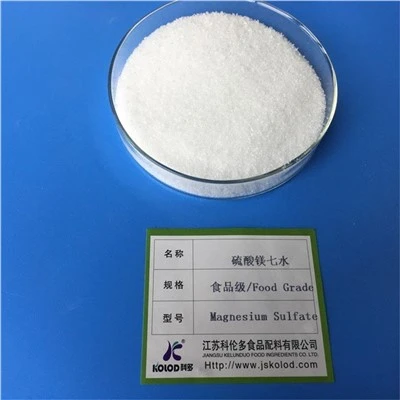
Zinc sulfate is a compound that has long piqued the interest of dermatologists and skincare enthusiasts alike due to its potential effects on the skin’s self – repair mechanisms. As a supplier of zinc sulfate, I’ve witnessed first – hand the growing demand for this compound in the skincare industry. In this blog, I’ll delve into the science behind how zinc sulfate impacts the skin’s ability to repair itself. Zinc Sulfate
The Basics of Skin Repair
Before we can understand how zinc sulfate influences skin repair, it’s essential to grasp the fundamentals of the skin’s natural repair process. The skin is the body’s largest organ and acts as a protective barrier against external threats such as pathogens, chemicals, and physical trauma. When the skin is damaged, whether through a cut, burn, or other injury, a complex cascade of events is set in motion to restore its integrity.
The initial phase of skin repair is the hemostasis phase, which begins immediately after injury. Platelets in the blood rush to the site of injury and form a clot to stop bleeding. This clot also serves as a temporary scaffold for the subsequent stages of repair. Next comes the inflammatory phase, where immune cells such as neutrophils and macrophages are recruited to the area. These cells help to remove debris, pathogens, and damaged tissue, and they also release various signaling molecules to initiate the next phase of repair.
The proliferative phase is characterized by the growth of new blood vessels (angiogenesis), the production of collagen by fibroblasts, and the migration of epithelial cells to cover the wound. The final phase is the remodeling phase, during which the newly formed tissue is restructured and strengthened over time to restore the skin’s normal function and appearance.
Role of Zinc in Skin Health
Zinc is an essential trace element that plays a crucial role in many physiological processes in the body, including immune function, DNA synthesis, and cell division. In the context of skin health, zinc is involved in numerous aspects of the skin’s structure and function.
Zinc is a co – factor for many enzymes, including those involved in collagen synthesis. Collagen is a key protein in the skin that provides strength and elasticity. Adequate zinc levels are necessary for the proper synthesis and cross – linking of collagen fibers, which is essential for wound healing. Without sufficient zinc, the production of collagen may be impaired, leading to delayed wound closure and weaker scar tissue.
Zinc also has antioxidant properties. Oxidative stress can damage skin cells and slow down the repair process. By neutralizing free radicals, zinc helps to protect the skin from oxidative damage and promotes a more favorable environment for repair. Additionally, zinc is involved in the regulation of gene expression, which can influence the production of various proteins and growth factors that are important for skin repair.
How Zinc Sulfate Affects Skin Repair
Zinc sulfate is a water – soluble form of zinc that is commonly used in skincare products due to its bioavailability. When applied topically or ingested, zinc sulfate can have several beneficial effects on the skin’s ability to repair itself.
Promotion of Cell Proliferation
One of the key ways in which zinc sulfate affects skin repair is by promoting cell proliferation. Fibroblasts, the cells responsible for producing collagen and other extracellular matrix components, require zinc for proper growth and division. Zinc sulfate can stimulate fibroblast proliferation, leading to an increased production of collagen and other proteins necessary for wound healing. In addition, zinc sulfate can also enhance the migration of keratinocytes, the main cells of the epidermis. Keratinocyte migration is essential for re – epithelialization of the wound, which is a critical step in the repair process.
Anti – inflammatory Effects
Inflammation is a natural part of the skin repair process, but excessive or prolonged inflammation can delay healing and lead to scarring. Zinc sulfate has anti – inflammatory properties that can help to modulate the inflammatory response. It can inhibit the production of pro – inflammatory cytokines such as interleukin – 1 (IL – 1) and tumor necrosis factor – alpha (TNF – α), which are released by immune cells during the inflammatory phase. By reducing the levels of these cytokines, zinc sulfate can help to minimize inflammation and create a more favorable environment for tissue repair.
Antioxidant Protection
As mentioned earlier, oxidative stress can impede the skin’s repair process. Zinc sulfate acts as an antioxidant by scavenging free radicals and preventing lipid peroxidation. Lipid peroxidation is a process in which free radicals react with lipids in the cell membrane, leading to membrane damage and cell death. By protecting the cell membrane from oxidative damage, zinc sulfate helps to maintain the viability of skin cells and promote their ability to repair and regenerate.
Regulation of Immune Function
Zinc is essential for proper immune function, and zinc sulfate can help to regulate the immune response during skin repair. It can enhance the activity of immune cells such as macrophages and neutrophils, which are responsible for clearing pathogens and debris from the wound site. At the same time, zinc sulfate can also help to prevent an over – exuberant immune response, which can cause damage to healthy tissue.
Evidence from Research
Numerous studies have investigated the effects of zinc sulfate on skin repair. In a study published in the journal "Wound Repair and Regeneration," researchers found that topical application of zinc sulfate solution accelerated wound healing in animal models. The treated wounds showed increased collagen deposition, enhanced angiogenesis, and faster re – epithelialization compared to the control group.
Another study in the "Journal of Dermatological Science" demonstrated that zinc sulfate supplementation improved the skin’s repair ability in patients with chronic non – healing wounds. The patients showed significant improvements in wound size, wound depth, and overall wound healing rate after zinc sulfate treatment.
Applications in Skincare Products
Due to its beneficial effects on skin repair, zinc sulfate is increasingly being incorporated into skincare products. It can be found in creams, ointments, and serums that are designed for wound healing, acne treatment, and anti – aging. In acne treatment, for example, zinc sulfate’s anti – inflammatory and antibacterial properties can help to reduce inflammation and prevent the growth of acne – causing bacteria. In anti – aging products, its role in collagen synthesis and antioxidant protection can help to improve the skin’s elasticity and reduce the appearance of wrinkles.
Conclusion

In conclusion, zinc sulfate has a profound impact on the skin’s ability to repair itself. Through its effects on cell proliferation, anti – inflammation, antioxidant protection, and immune regulation, zinc sulfate can accelerate the wound – healing process and improve the quality of the repaired tissue. As a supplier of zinc sulfate, I’m excited to see the growing interest in this compound in the skincare industry.
Carbonates If you’re in the skincare business or are interested in incorporating zinc sulfate into your products, I encourage you to reach out to discuss potential partnerships. Whether you’re looking for a high – quality source of zinc sulfate for your formulations or want to learn more about its applications, I’m here to help. Let’s work together to harness the power of zinc sulfate for better skin health.
References
- Physiological role of zinc in human skin – Nam, K. H., Kim, J. K., & Lee, J. H.
- Zinc and wound healing – Pfeiffer, C. A., & McCaffrey, J. V.
- The roles of zinc in wound healing – Prasad, A. S.
Jiangsu Kolod Food Ingredients Co., Ltd.
As one of the most professional zinc sulfate manufacturers and suppliers in China, we’re featured by quality products and good price. Please rest assured to wholesale bulk zinc sulfate made in China here and get free sample from our factory. Customized orders are welcome.
Address: South Side of Weier Road, Guanyun Development Zone, Lianyungang City, Jiangsu Province, China
E-mail: sales1399@jskolod.com
WebSite: https://www.kolod-group.com/
