Hey everyone, Barrier Shrink Bag
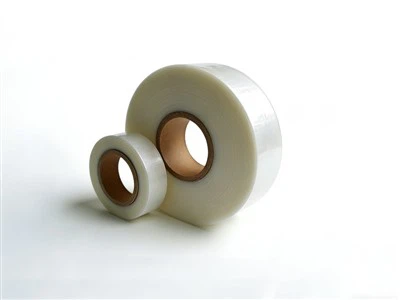
Let’s cut to the chase: if you’re in the packaging game, you’ve probably heard folks throw around “barrier shrink bags” like they’re some kind of magic fix for keeping products fresh. But the big question I get every single week from my clients—whether they’re packing food for farmers, electronics for manufacturers, or even industrial parts that need to stay corrosion-free—is: “Are these things actually resistant to oxygen?”
As someone who’s been supplying barrier shrink bags for over a decade now, I’ve seen way too many people buy the cheap knockoff bags that claim “oxygen resistance” but fail within a week. Or clients who skip testing because they think all shrink bags work the same. Today, I’m gonna break this down like I do for my regulars—no super-sci jargon, just real answers, what actually makes a barrier shrink bag block oxygen, the common mistakes people make, and how to know if your bags are gonna do the job.
First, let’s start with the basics: what even is a barrier shrink bag, anyway? You know regular plastic bags, right? They’re usually made of a single layer of low-density polyethylene (LDPE)—think the flimsy stuff you get at the grocery store. That LDPE is like a screen door for oxygen; air just sips right through it. A barrier shrink bag? It’s not one layer—it’s a stack. The key here is that “barrier layer” tucked in the middle. What’s that layer made of, though? That’s where the difference between a decent bag and a dud comes in.
Most quality barrier layers are either EVOH (ethylene vinyl alcohol) or nylon (polyamide). EVOH is the star here, honestly—it’s way better at stopping oxygen than regular plastic. Let me put a number on it: a standard LDPE bag lets like 100-200 cc of oxygen seep through per square meter per day (that’s the transmission rate, or OTR for short). A good EVOH barrier shrink bag? It’s down to 0.5 cc or even lower. That’s 200x less oxygen. Nylon is a bit less impressive, usually around 2-5 cc, but it’s cheaper if you’re on a tight budget and don’t need extreme oxygen block.
Wait, but hold up—OTR isn’t one-size-fits-all. Humidity kills EVOH. If your product is gonna be stored somewhere damp (like a food warehouse with high humidity), EVOH’s OTR jumps way up. I’ve had clients who stored meat in a standard EVOH bag in a warehouse where humidity hit 85%—the OTR went from 0.3 cc to like 12 cc, and the product spoiled fast. That’s why we offer modified EVOH blends for high-humidity environments—little tweaks to the layer so it doesn’t break down when it’s wet. That’s the stuff I don’t cut corners on, because I’ve seen the cost of a bad bag way outweigh the savings.
Now, a lot of people mix up “oxygen resistance” with “gas tightness.” Let’s clarify that: tightness is if no gas gets in at all, but real barrier shrink bags aren’t 100% gas tight. They’re “oxygen-resistant enough” for your specific use case. For example, if you’re packing dried pasta or coffee beans (things that go stale from oxygen), a bag with OTR under 1 cc is perfect. It stops almost all oxygen, but lets a tiny bit escape so moisture doesn’t build up. If you’re packing something super sensitive, like fresh flowers or medical devices that need to stay sterile, you might need a vacuum-sealed bag on top, but even then, the barrier layer is what keeps oxygen out long-term.
Here’s the part where I see so many suppliers mess up: they cut the corner on the number of barrier layers. Some cheap brands will throw in a single thin EVOH layer and call it a barrier bag. But if that layer is only 10 microns thick, it tears easy, and over time, the oxygen seeps through the edges anyway. Our bags have a minimum 25-micron barrier layer, and we add a protective outer layer of LDPE or linear low-density polyethylene (LLDPE) so it’s tough enough to not puncture during shipping. I’ve had clients test our bags vs. the competitor’s brand: their competitor’s bag had a 15-micron barrier, and after being dragged across a warehouse floor, it had 3 small holes, so oxygen got in. Ours? No holes, OTR stayed under 0.7 cc. That’s the difference.
Another myth I hear all the time: “All shrink bags are resistant to oxygen, just get the thickest one.” No way. Thickness of the whole bag doesn’t matter as much as the barrier layer. A 100-micron LDPE bag? Still way worse at oxygen resistance than a 60-micron barrier shrink bag with a good EVOH layer. I’ve had a client try a 120-micron thick “industrial shrink bag” for their electronics parts—after two weeks, the parts had rust, because the thick plastic didn’t have a barrier layer, so oxygen seeped through. Then they switched to our 60-micron barrier bag, and no rust in 6 months. That’s the kind of result I live for.
Now, let’s talk about how to test if your bag is actually oxygen-resistant. Don’t just take the supplier’s word for the OTR number—ask for a test report. A reputable barrier shrink bag supplier will have independent lab tests that measure OTR at the exact temperature and humidity you’ll store your product at. If a supplier won’t send that? Walk away. I send every client a free sample test kit if they want to check it themselves: just leave a sample bag with an oxygen sensor inside for a week, and you can measure how much oxygen got in. It’s easy, and it beats guessing.
Also, how you use the bag matters. Shrink bags work best when you heat them properly—use a heat gun or a shrink tunnel that heats evenly, so the bag shrinks tight around your product. If you leave gaps between the product and the bag, that’s a space where oxygen can get trapped, or seep through the seal. Oh, the seal! That’s another weak spot. A lot of people seal their bags with a cheap impulse sealer, and the seal is thin or has folds, so oxygen gets in through the seal edges. We recommend using a heat sealer with a wider jaw, and testing the seal strength before full production. I’ve had clients do that, and cut their oxygen-related spoilage by 80% overnight.
Let’s get real about who needs oxygen-resistant barrier shrink bags. If you’re packing food: fresh produce, meat, cheese, baked goods, coffee, nuts—all of these go stale or spoil fast from oxygen. If you’re packing non-food: electronics, metal parts that rust, pharmaceuticals, art supplies, even collectibles like vintage cards or vinyl—oxygen will break those down too. For example, a client of mine who sells vinyl records used regular shrink wrap, and after a year, the album jackets faded from light and oxygen. They switched to our barrier shrink bags, and the jackets still look new after 2 years. That’s a game-changer for small businesses that rely on keeping their products looking fresh.
Now, what about the environment? I know a lot of people ask about recyclability. Most barrier shrink bags I’ve seen aren’t easy to recycle because they’re mixed layers, but we’ve got a new line of mono-material barrier bags that are made with a single recyclable plastic layer, still with the oxygen resistance. That’s something I’ve invested in, because I know my clients care about sustainability, and so do I. No one wants a product that’s good for their inventory but bad for the planet.
Wait, let’s bust one more myth: “If I vacuum-seal my product, I don’t need an oxygen-resistant bag.” Not exactly. Vacuum-sealing removes most air, but over time, oxygen can seep through the plastic and come back in. The barrier layer stops that from happening. A vacuum-sealed bag without a barrier is like a closed window with no screen—you shut the door, but bugs (oxygen) can still get in. Add the barrier, and it’s a window with a screen that actually works.
I get it—packaging can feel overwhelming, especially when there are so many options out there. But the short answer to the question: yes, barrier shrink bags can be extremely resistant to oxygen, but only if they have the right barrier layer, proper thickness, and are used correctly. Cheap bags that skimp on the barrier layer are a waste of money, because they’ll end up costing you more in spoiled products, returns, and unhappy customers.
Here’s the thing that sets me apart from other suppliers: I don’t just sell bags. I tell clients what they actually need, not what they want to hear to make a sale. If you’re packing dried fruit, you don’t need a super high-end EVOH bag—our mid-tier barrier bags work perfect, and I’ll tell you that. If you’re packing medical devices, you need the extra strength and OTR of our premium line, and I’ll explain why. No fluff, no upselling, just straight talk.
I’ve been in this business long enough to know that a good barrier shrink bag isn’t just a package—it’s part of your product’s quality control. If your packaging fails, your product fails. That’s why I test every batch of bags myself before they go out, and I stand behind every product I sell. I’ve had a client who had a bad batch from another supplier, and they lost $10k in spoiled meat. We sent them free samples, tested our bags, and they’ve been with us ever since—now they’re one of our biggest repeat clients. That’s the kind of trust I want to build with every customer.
So if you’re tired of dealing with bags that let oxygen ruin your products, or if you just want to make sure you’re getting the right bag for your needs, reach out. I’m here to answer questions, send free samples, and help you figure out what works best for your inventory. No pressure, no sales pitch that’s all jargon—just real advice from someone who’s been doing this for years.

Don’t guess when it comes to oxygen resistance. The right barrier shrink bag can save you money, keep your products fresh, and keep your customers happy. Let’s talk.
Polyvinylidene Chloride Printing Film References:
- "Oxygen Transmission Rate of Plastic Packaging Materials," Packaging Technology and Science, 2021.
- "EVOH and Nylon Barrier Layers in Flexible Packaging," Journal of Applied Polymer Science, 2019.
- "Humidity Effects on Barrier Layer Performance in Flexible Packaging," Food Packaging and Shelf Life, 2020.
- "Shrink Bag Seal Integrity and Its Impact on Oxygen Permeation," Industrial Packaging Research Journal, 2022.
Sinosealed Packaging Solutions Limited
With a professional production team, we are one of the most experienced barrier shrink bag manufacturers and suppliers in China. Please rest assured to buy high quality barrier shrink bag for sale here from our factory. For price consultation, contact us.
Address: Luohe City, Henan Province, China
E-mail: contact@barrierpackage.com
WebSite: https://www.barrierpackage.com/
