If you’ve ever stared at a damaged slurry pump part in your processing plant, wondering if you can swap it out without calling in a professional, you’re not alone. As a slurry pump spare parts supplier, I field this question at least three times a week from plant managers, maintenance crews, and even small workshop owners who want to cut downtime and keep operations running on their terms. The short answer? It depends. Slurry pumps are workhorses for moving abrasive, high-density materials—mineral slur, wastewater sludge, and construction debris, to name a few—and their spare parts (impellers, liners, shafts, seals) aren’t like the parts on a residential water pump. Skipping a critical step, or cutting corners on installation, can lead to worse damage, longer downtime, and even safety risks. Let’s break this down, from what you can safely handle to when you need a pro, and how to make the right call for your operation. Slurry Pump Spare Parts
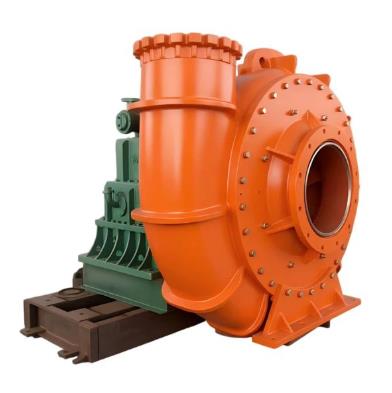
First, let’s set the context: not all slurry pump spare parts are created equal. Some are designed for straightforward replacement, while others integrate with the pump’s core hydraulic and structural system in ways that demand precision. Take a simple wear plate, for example. A wear plate lines the back of the pump’s casing to protect it from abrasive slurry, and it’s held in place with a few bolts. If your old wear plate is cracked and leaking, swapping it out for a new one from our inventory might be doable for an experienced maintenance tech. But even here, there are non-negotiables. You can’t just tighten the bolts as hard as you can; over-torquing can warp the thin metal wear plate, making it sit unevenly against the impeller, which reduces efficiency and causes the new part to wear out prematurely. Under-torquing, on the other hand, lets slurry seep behind the plate, corroding the casing from the inside. That’s a mistake I see all too often, and it costs operators an extra 12 to 24 hours of downtime when a casing fails a week later.
Then there are the parts that are way more complex, and where attempting a DIY install is a bad idea. Impellers, for one, are the heart of the slurry pump. They spin at high speeds (often 1,200 to 1,800 RPM for standard models) and move the slurry through the pump. When you replace an impeller, you have to align it perfectly with the shaft, and make sure the impeller’s clearance (the gap between the impeller blades and the volute casing) is within manufacturer specs. For most standard horizontal slurry pumps, that clearance is usually 1mm to 3mm, depending on the pump size and slurry type. If you get that gap wrong, you’ll see excessive vibration, which can break the shaft, damage the bearings, or even cause the pump to seize mid-operation. I once had a customer who tried to install a new impeller himself; he measured the clearance with a cheap ruler instead of a feeler gauge, ended up with a gap that was 2mm too small, and burned out the impeller within 3 days. The repair cost him 10 times what he would have paid to have a professional do the job right the first time.
Another high-risk area is mechanical seals. Slurry pump mechanical seals are designed to prevent slurry from leaking out of the pump, and they work by creating a precision interface between two flat surfaces. Installing a seal incorrectly—even a tiny scratch on the seal face, or misaligning the rotating part—will cause it to leak, sometimes within hours. Unlike residential pump seals, which are often rubber-based and forgiving, slurry pump seals are made of hard materials like silicon carbide or tungsten carbide, and they require exact handling. I’ve had customers tell me they “saved money” by installing a seal themselves, only to have it leak so badly that slurry got into the bearings, ruining the entire pump assembly. The replacement cost for a full pump assembly is far higher than the cost of a seal installation by a trained tech.
So, what are the scenarios where you can safely install slurry pump spare parts on your own? Let’s list them out, with caveats: First, simple, non-critical parts that don’t affect the pump’s alignment or hydraulic performance. Things like bolts, gaskets, and hoses that connect to the pump. Even here, you need to make sure you’re using the right part for your pump model—using a substandard bolt that’s not rated for the pump’s pressure can lead to a casing failure. Second, wear parts that don’t require precision alignment, like some stationary wear plates, if your maintenance team is trained to follow torque specs exactly. Third, parts that are for a backup pump that’s not in active operation, if you’re comfortable with basic mechanical tasks and have the right tools. But even for these, there’s a catch: you have to follow the manufacturer’s installation guide, not a random YouTube video. Slurry pump models vary, even between the same brand, and a video for one 4-inch pump won’t work for a 8-inch model.
Now, let’s talk about the tools and knowledge you need if you do decide to attempt installation without a pro. This isn’t just a wrench and a screwdriver. For most slurry pump parts, you’ll need a feeler gauge to measure impeller clearance, a torque wrench to tighten bolts to the exact spec, a dial indicator to check shaft runout, and a press to remove and install bearings or shaft sleeves. You also need to know your pump’s make and model, the slurry type it’s handling, and the operating conditions (temperature, pressure) that affect part performance. If you don’t have that knowledge or those tools, you’re setting yourself up for a mistake.
As a slurry pump spare parts supplier, I’ve seen both sides of the coin. I’ve helped customers who installed parts correctly, saving them thousands in professional fees, and I’ve helped customers who tried to DIY and ended up with expensive damage. The key difference isn’t whether you’re a “good mechanic”—it’s whether you understand the specific demands of slurry pump parts. Slurry is not clean water; it’s abrasive, corrosive, and often high-temperature, so every part is engineered to handle that. Cut corners on installation, and even the highest-quality spare parts from our inventory will fail faster than they should.
Let’s also touch on safety, which is a big factor I don’t see mentioned enough. Slurry pumps are heavy, often weighing hundreds of pounds, and they spin at high speeds. Attempting to install a large impeller or remove a worn casing without proper rigging can lead to serious injury. Even simple tasks, like loosening a bolt that’s been torqued to 200 ft-lbs, can cause the bolt to snap and injure someone if you don’t use the right tools. Professional technicians are trained in lockout/tagout procedures, which are required to make sure the pump is powered off and can’t turn on while you’re working on it. If you skip that step, you could be in danger.
So, when should you call a professional? Let’s make a clear list: if you’re replacing an impeller, shaft, mechanical seal, or any part that affects the pump’s hydraulic alignment. If you’re unsure about torque specs or clearance measurements. If your pump has a history of vibration or seal leaks, even after a part replacement. If you’re dealing with a new pump model that you’ve never worked on before. And if downtime would cost your operation more than the professional fee—because downtime for a mining operation, for example, can cost tens of thousands of dollars an hour. A pro might charge $500 to $1,000 for an installation, but that’s nothing compared to the cost of a 10-hour shutdown.
That said, DIY isn’t always a bad thing, when done right. The biggest mistake I see is operators thinking all pump part replacements are the same. If you’re only swapping a gasket or a bolt, and you follow the manufacturer’s instructions to the letter, you can save time and money. But if you’re in doubt, reach out to a professional, or ask your spare parts supplier for guidance. At our company, we don’t just sell parts—we help customers understand when to install themselves and when to get a pro. We’ve seen too many customers damage their pumps because they tried to do a job that required expertise they didn’t have, and we want to help them avoid that.
Now, let’s talk about choosing the right spare parts in the first place, because even the best installation won’t fix a bad part. A lot of customers try to cut costs by buying generic spare parts from third-party sellers, but these parts often don’t meet the material specs for slurry pump applications. For example, a generic impeller might be made of low-grade cast iron that wears out in 2 months, compared to a high-chrome impeller from a reputable supplier that lasts 6 months. And even if you install a generic part correctly, it’s not going to perform as well, leading to more frequent replacements and more downtime. That’s why it’s important to buy parts from a supplier that can verify their quality, and that offers guidance on installation.
Wait, let’s make this more personal, since I’m a supplier talking to my customers. Last quarter, I worked with a small aggregate company that was dealing with frequent impeller failures. Their maintenance team was replacing impellers every 3 months, and they were using generic parts from a discount supplier. We recommended they switch to our high-chrome impellers, and worked with their team to show them how to install them correctly—measure the clearance with a feeler gauge, torque the bolts to the spec, and check the shaft runout. Now their impellers last 9 months, and they’ve cut their maintenance time by 60%. That’s the sweet spot: when DIY works, as long as you have the right guidance and parts.
On the flip side, a mining customer came to me last year with a pump that had seized, because he had tried to install a mechanical seal himself. He scratched the seal face, so it leaked slurry into the bearings, which burned out the shaft and bearings. The total repair cost was $12,000, which was 10 times the cost of a professional seal installation. We ended up replacing his shaft, bearings, and seal with high-quality parts, and now he has a service contract that includes professional installation for all major parts. That’s a lesson he won’t forget: sometimes, the small cost of a pro saves you from a huge headache.
So, to wrap this up: Can you install slurry pump spare parts without professional help? The answer is, “Sometimes, if you know what you’re doing, have the right tools, and follow the instructions.” But most of the time, for critical parts that affect the pump’s performance and safety, you’re better off calling a trained technician. The key is to be honest with yourself about your skills, the tools you have, and the cost of downtime. If you’re in doubt, don’t guess—reach out to your slurry pump spare parts supplier for advice. We’re here to help you make the right call, whether that’s guiding you through a simple installation or connecting you with a trusted professional in your area.

If you’re looking for high-quality, OEM-matching slurry pump spare parts, or need guidance on installation for your next replacement, don’t hesitate to reach out to our team to discuss your specific needs. We’re committed to helping you keep your pumps running efficiently, with the right parts and the right support.
Slurry Pump References
- Hydraulic Institute. (2020). Slurry Pump Installation and Maintenance Guidelines. Hydraulic Standards Association.
- American Society of Mechanical Engineers. (2019). Standard for Pump Shaft Alignment and Vibration Analysis. ASME B73.1.
- Minerals, Metals & Materials Society. (2021). Abrasive Wear Performance of Slurry Pump Wear Parts. Journal of Materials Engineering and Performance.
- Pump Manufacturers Association. (2022). Safety Protocols for Slurry Pump Installation and Repair. PMA Technical Report 12-22.
Shijiazhuang Ruite Pump Co., Ltd.
As one of the most professional slurry pump spare parts manufacturers and suppliers in China, we have world-leading production equipment and strong manufacturing capabilities. Please feel free to buy durable slurry pump spare parts for sale here from our factory. Quality products and reasonable price are available.
Address: Majuan village, Nandong town, Gaocheng, Shijiazhuang, China
E-mail: info@ruitepump.com
WebSite: https://www.rtslurrypumps.com/
