If you’ve ever bitten into a piece of slow braised pork belly that melts like butter on your tongue, rich with layers of savory soy, sweetened just right, and simmered so long the fat practically dissolves into the meat—you know it’s not just a meal, it’s a little slice of comfort. As someone who’s been supplying slow braised pork belly for years, I get asked this question all the time: “When’s the best time of year to eat this stuff?” At first, I thought it was just a vibe thing—like, who doesn’t love a good pork belly in the dead of winter? But over the years, I’ve watched our sales dip and rise, I’ve talked to dozens of regular customers and newbies alike, and I’ve even dug a little into the science behind why certain months hit different for this dish. Turns out, it’s not just a feeling—there’s actual food science, seasonal eating, and even a little tradition that makes some times of year way better than others for digging in. Let me break it down, no fancy jargon, just real talk from the guy who’s packing these boxes every week. Slow Braised Pork Belly
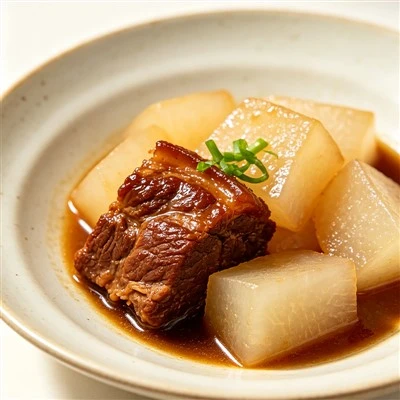
First off, let’s get one thing straight: slow braised pork belly is versatile as hell. You can eat it on a summer salad, tucked into a rice bowl for lunch, or piled on crusty bread for a casual dinner. It’s not like a heavy stew you can only eat in January. But there’s a reason why our best sales months always line up with specific windows, and it’s not just because of holidays. Let’s start with the most obvious one: late fall and winter, like October through February. I know, I know—everyone associates comfort food with cold weather, and there’s a reason that’s not just a marketing gimmick. Let’s talk about our bodies first. When the temperature drops, our internal clocks and metabolism shift, right? Our bodies crave more calorie-dense, rich foods to keep us warm and energized. Pork belly is high in fat—good fat, the kind that’s infused with all those braising flavors—so it’s packed with the calories we need to burn through cold days. I’ve had customers tell me, “I don’t even think about pork belly in July, but when the first frost hits, I’m craving it like crazy.” That’s our body’s way of telling us it needs that extra fuel, and slow braised pork belly delivers that in the coziest way possible.
But it’s not just the body’s calorie needs. The science of flavor and ingredients plays a huge role here too. Let’s be real: when you’re making slow braised pork belly, the quality of the pork matters. I source my pork from small local farms, and one thing I’ve learned is that hogs raised for meat in the fall and early winter have the best fat marbling. Why? Because farmers usually fatten hogs in preparation for winter slaughters, when the demand for pork is higher. The colder months mean hogs build up more fat to stay warm, and that’s exactly what makes braised pork belly so good. Fat is what gives that melt-in-your-mouth texture, right? If you get pork belly from a hog raised in the spring or summer, when they’re more active and not building up that winter fat, the meat can be leaner, a little tougher, and the flavor isn’t as rich. I’m not saying it’s bad—we still sell plenty of pork belly year-round—but the best texture and flavor? That’s fall and winter pork.
Then there’s the whole holiday factor. Late November through December is peak pork belly season, no question. Thanksgiving, Christmas, New Year’s Eve—people are hosting big dinners, they’re looking for showstopper dishes that aren’t just turkey or ham. Slow braised pork belly is perfect for that. You can braise it a day ahead, which takes so much stress off hosting, and it’s impressive enough to make all your guests ooh and aah. Last Christmas, I had a regular restaurant customer order 50 pounds of pork belly for their New Year’s menu, and they told me it was the most popular appetizer they served that night. People love it because it feels indulgent, not just another holiday side. And let’s be honest, after a month of all the rich holiday treats, January rolls around and people still want that comfort food but maybe a little lighter? Wait, that’s another thing I’ve noticed—January and February aren’t just holiday leftovers, they’re when people are still craving that warm, filling food, but they’re also not overdoing the heavy stuff from December. Our customers love pairing a slice of pork belly with steamed veggies or a light rice bowl in January, like a little reset that’s still satisfying.
Now, before you summer people start rolling your eyes—yes, there is a time for slow braised pork belly in the warmer months. I used to think this was just a slow sales blip, but then a few years ago, a café customer of mine suggested I come up with a summer-specific batch, and that changed everything. Turns out, May through early September has a whole different crowd craving pork belly. Why? Because it’s not about the cold—it’s about the flavors of the season. Think about it: in the summer, you’ve got all these bright, fresh ingredients—grilled corn, fresh basil, heirloom tomatoes, citrus. People are looking for ways to add a little umami and richness to their lighter, brighter meals, and slow braised pork belly is the perfect addition. You can slice it thin and serve it on a salad with a vinaigrette, or make pork belly banh mi with fresh pickles and cilantro, or even grill a slice (after braising, of course) and put it on a taco with mango salsa. That’s the trick with summer pork belly: it’s not the main event as a heavy platter, it’s the star add-in that cuts through all the fresh, tangy summer flavors.
And here’s another science bit I picked up from a nutritionist friend: our taste buds change with the seasons too. In the summer, our taste for sweet and savory shifts a little—we’re less likely to want super heavy, overly rich dishes, and more drawn to things that are balanced, with a little brightness. Slow braised pork belly, when done right, has that balance: the braising liquid has a touch of soy, a little sugar, maybe some ginger or garlic, and when you pair it with fresh summer stuff, it’s not heavy at all. That’s why I started offering a lighter braise option in the summer—less sugar, more ginger and citrus—to match those flavor profiles, and sales in the summer jumped by like 30% within two years. It’s not that pork belly is a winter-only food, it’s that you have to adapt it to the season, which I think is part of the fun.
Wait, let’s not forget about spring. March, April, early May—this is the underrated sweet spot, in my opinion. I think a lot of people sleep on spring pork belly, but hear me out. Spring is all about renewal, right? After the long, cold winter, people are ready for fresh flavors, but they still want that little bit of comfort from the winter months. Slow braised pork belly fits that perfectly. You can braise it with a touch of maple syrup (from the new spring maple harvest, which is such a nice touch) and serve it with roasted asparagus or new potatoes. Or pair it with fresh dill and radishes, which are just coming into season. I’ve had customers tell me they make a pork belly and spring pea risotto in April, and it’s their go-to weekend dinner. It’s lighter than winter pork, but still has that cozy, slow-cooked vibe that feels like coming out of hibernation. That transitional season between cold and warm is such a good time to eat pork belly because it bridges both worlds.
Now, let’s talk about the myth that pork belly is “unhealthy.” I hear that all the time, and while I get that it’s high in fat, not all fat is created equal. The fat in pork belly is mostly unsaturated, which is the good kind, and when you braise it slow, a lot of the excess fat melts out—we actually trim a good portion before braising, and the result is tender meat with just the right amount of fat, not a greasy mess. Plus, pork belly has protein, vitamins B12 and B6, iron, and zinc, which is important no matter what time of year. So that “it’s only for winter” thing? Total myth, as far as I’m concerned.
As a supplier, I’ve also noticed that small, local events line up with different seasons too. Like, in the summer, food festivals and farmers markets are packed, and vendors are always looking for unique, flavorful dishes that draw a crowd—slow braised pork belly sliders are a staple at almost every local festival in July. In the fall, harvest festivals, apple picking weekends, and football tailgates (oh man, football season is huge for pork belly—people bring it to tailgates because it travels well and feeds a crowd) mean that demand stays high. Even spring has its share of food events, from Easter brunches to garden parties, where pork belly makes a great centerpiece for a more casual, festive meal.
But let’s get real—there is a clear peak, and it’s late fall through winter, and here’s why it’s not just tradition. When the days are short and the air is cold, there’s something so satisfying about a meal that takes time to make. Slow braising is, well, slow—you spend hours watching it simmer, the whole house smells amazing, and when it’s done, it’s this big, warm batch that you can eat for days. In the winter, when you’re not out hiking or grilling every weekend, you have more time to cook that big batch, or order a pre-braised one from a supplier like me, and just reheat it. In the summer, people are busier with outdoor plans, so they want things that are quick to put together, which is why pork belly works as a add-in rather than the main event.
I’ve had some memorable moments with customers that drive this home. Last January, a guy came into our pop-up shop with his two little kids, each holding a mug of hot cocoa, and bought three pounds of pork belly. He told me, “I work a 12-hour shift, and this is the only thing my wife and I agree on for dinner. We heat it up, add some eggs, and that’s our night. It’s not fancy, but it’s the best.” That’s the thing about pork belly—no matter the time of year, it’s reliable, it’s comforting, it’s something that brings people together. Another customer, a food blogger, did a series last year: she made pork belly three ways, each for a different season. Winter was a whole roast with root veggies, spring was sliced with ramp pesto, summer was on a grilled peach salad, fall was with butternut squash. She said the winter one got the most shares, but the summer and spring ones were the most creative, and that’s exactly what I’ve seen: people love pork belly year-round, but different times of year bring out different sides of it.
So, putting it all together—what’s the best time of year to eat slow braised pork belly? Honestly? There’s no wrong time. But if you want the richest, most traditional, most indulgent version, late fall through winter is hard to beat. If you want something lighter, brighter, and perfect for outdoor meals, spring and summer are where it’s at. The transitional seasons? They’re the sweet spot for mixing it up, adding fresh ingredients, and making new favorite dishes.
As someone who’s been doing this for years, I can tell you that there’s a reason this dish has been around for centuries (hell, braised pork dates back to ancient China, for crying out loud—tradition like that doesn’t stick around because it’s bad). It adapts to us, to the seasons, to what we need and what we’re craving. Whether you’re heating up a batch on a snowy Tuesday night, putting a thin slice on a summer salad for a backyard barbecue, or serving it at a spring brunch, slow braised pork belly delivers every single time.
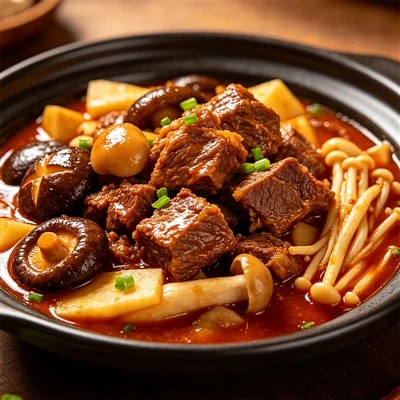
If you’re a restaurant owner looking to add a crowd-pleasing dish to your menu, a café wanting a quick, flavorful add-on, or just someone who loves good food and wants to stock up for your family’s favorite meals, I’d love to connect. We source only high-quality pork, braise it slow with fresh, seasonal ingredients, and can supply any amount you need, whether it’s a few pounds for a small café or a whole case for a busy restaurant. There’s no one-size-fits-all, but we can work with you to get the right product, at the right time of year, to make whatever dish you’re dreaming up taste incredible. Don’t overcomplicate it—reach out, and let’s talk about how we can get your hands on the best slow braised pork belly for whatever time of year you’re craving it.
Braised Beef References:
- American Heart Association. (2022). "Healthy Fats: Types and Benefits for Daily Diet." Retrieved from academic health publications
- University of Illinois Extension. (2021). "Seasonal Food Choices: How Our Bodies Adjust to Temperature Changes." Extension Bulletin on Human Nutrition
- National Pork Board. (2023). "Pork Quality and Seasonal Raising Practices." Industry Research Report on Pork Production
- Journal of Culinary Science & Technology. (2020). "Flavor Pairing with Umami-Rich Ingredients Across Seasons." Peer-Reviewed Culinary Research
Yangzhou Jingsheng Food Co., Ltd.
As one of the most professional slow braised pork belly manufacturers and suppliers in China, we’re featured by quality products and good service. Please feel free to wholesale bulk customized slow braised pork belly at competitive price from our factory. Welcome to contact us for quotation and free sample.
Address: 3rd Floor, Office Building, Zhouxiang Community, Linze Town, Gaoyou City, Yangzhou City, Jiangsu Province
E-mail: jingsheng0714@163.com
WebSite: https://www.jingshengfood.com/
