Pyrite, also known as "fool’s gold," is a common iron sulfide mineral with the chemical formula FeS₂. It has long been recognized for its economic value, not only for its resemblance to gold but also for its role as a key raw material in the production of various inorganic chemical products. As a leading supplier of inorganic chemicals and pyrite-related products, I’m excited to share with you the detailed process of how pyrite is processed to obtain these valuable products. Inorganic Chemicals- Pyrite-related Products
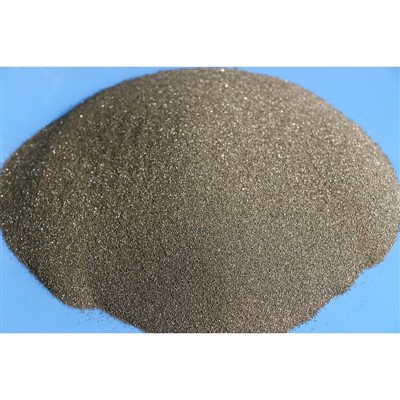
Mining and Initial Preparation
The journey of pyrite processing begins with mining. Pyrite is commonly found in sedimentary, metamorphic, and igneous rocks around the world. Large – scale mining operations are employed to extract pyrite ore from the earth. These operations can range from open – pit mining, which is suitable for shallow deposits, to underground mining for deeper deposits.
Once the pyrite ore is mined, it undergoes initial preparation steps. The first step is crushing, where the large chunks of ore are broken down into smaller pieces using crushers. This increases the surface area of the ore, making subsequent processing more efficient. After crushing, the ore is ground into a fine powder in ball mills or rod mills. This fine powder is then subjected to a process called screening, where different particle sizes are separated. The appropriately sized pyrite powder is then ready for further chemical processing.
Roasting of Pyrite
Roasting is one of the most crucial steps in pyrite processing. It involves heating the pyrite ore in the presence of air or oxygen at high temperatures (usually between 600 – 800 °C). During roasting, the following main chemical reactions occur:
4FeS₂ + 11O₂ → 2Fe₂O₃+ 8SO₂
This reaction is exothermic, which means it releases heat. The heat generated can be harnessed to sustain the roasting process, reducing the overall energy consumption. The sulfur dioxide (SO₂) produced during roasting is a key intermediate in the production of many inorganic chemical products.
The iron oxide (Fe₂O₃) residue, also known as cinder, can be further processed. It can be used as a raw material in the iron and steel industry, as a pigment in the paint industry, or in the production of construction materials.
Production of Sulfuric Acid
One of the most significant products obtained from pyrite processing is sulfuric acid (H₂SO₄). The SO₂ gas produced during pyrite roasting is the starting point for the sulfuric acid manufacturing process.
The first step is the conversion of SO₂ to sulfur trioxide (SO₃) through the catalytic oxidation reaction:
2SO₂+ O₂ ⇌ 2SO₃
This reaction is typically carried out in the presence of a vanadium pentoxide (V₂O₅) catalyst at a temperature of around 400 – 500 °C and a pressure close to atmospheric pressure. The reaction is reversible and exothermic, so careful control of temperature and pressure is necessary to achieve a high conversion rate.
Once SO₃ is formed, it is absorbed in concentrated sulfuric acid to form oleum (H₂S₂O₇). The oleum is then diluted with water to produce sulfuric acid:
SO₃+ H₂SO₄ → H₂S₂O₇
H₂S₂O₇+ H₂O → 2H₂SO₄
Sulfuric acid is a widely used industrial chemical. It is used in the production of fertilizers, such as superphosphate and ammonium sulfate, in the metal – processing industry for ore leaching and metal purification, and in the production of detergents, dyes, and explosives.
Production of Iron Compounds
As mentioned earlier, the iron oxide (Fe₂O₃) residue from pyrite roasting can be used to produce various iron compounds. One of the common processes is the reduction of Fe₂O₃ to iron metal. This is typically done in a blast furnace, where Fe₂O₃ reacts with carbon monoxide (CO) at high temperatures:
Fe₂O₃+ 3CO → 2Fe + 3CO₂
The iron produced can be further refined and used in the manufacturing of steel and other iron – based alloys.
In addition to iron metal, iron compounds such as iron sulfate (FeSO₄) can also be produced from pyrite. The cinder can be treated with sulfuric acid to dissolve the iron content and form iron sulfate:
Fe₂O₃+ 3H₂SO₄ → Fe₂(SO₄)₃+ 3H₂O
Fe₂(SO₄)₃+ Fe → 3FeSO₄
Iron sulfate has various applications, including as a fertilizer to correct iron deficiency in plants, in water treatment to remove phosphates from wastewater, and in the production of pigments and dyes.
Other Pyrite – Related Products
Apart from sulfuric acid and iron compounds, pyrite can also be used to produce other inorganic chemical products. For example, hydrogen sulfide (H₂S) can be produced by reacting pyrite with an acid under certain conditions. H₂S is used in the production of sulfur, thioorganic compounds, and in the purification of some metals.
Another product is elemental sulfur. The SO₂ gas can be further processed through the Claus process to produce elemental sulfur. In the Claus process, part of the SO₂ is reduced to sulfur by reacting with H₂S:
2H₂S + SO₂ → 3S + 2H₂O
Elemental sulfur has widespread applications in the rubber industry, as a fungicide in agriculture, and in the production of sulfuric acid and other sulfur – containing compounds.
Quality Control and Environmental Considerations
During the entire pyrite processing process, strict quality control measures are essential. For example, in the production of sulfuric acid, the purity of the SO₂ gas and the conversion rate of the catalytic oxidation reaction directly affect the quality of the final product. Sampling and analysis are carried out at various stages of the process to ensure that the products meet the required standards.
Environmental considerations are also of utmost importance. The roasting of pyrite produces a large amount of SO₂ gas, which is a major air pollutant. To mitigate its environmental impact, SO₂ can be captured and used in the production of sulfuric acid. Additionally, proper waste management is required for the cinder and other residues generated during the processing. The cinder should be carefully disposed of or recycled to minimize its environmental footprint.
Conclusion

In conclusion, pyrite is a versatile raw material that can be processed into a wide range of inorganic chemical products. The process involves mining, initial preparation, roasting, and subsequent chemical reactions to produce sulfuric acid, iron compounds, elemental sulfur, and other products. As a supplier of inorganic chemicals and pyrite – related products, we are committed to providing high – quality products through efficient and environmentally friendly processing methods.
Inorganic Chemicals- Pyrite-related Products If you are in the market for pyrite – related inorganic chemical products or have any questions about our offerings, please do not hesitate to contact us for procurement and negotiation. We look forward to establishing a long – term and mutually beneficial partnership with you.
References
- Anirudhan, T. S., & Ramachandran, K. (2007). Adsorptive removal of phosphate from aqueous solutions using peat modified with iron(III). Chemical Engineering Journal, 132(1 – 3), 215 – 227.
- Baird, C., & Cann, M. (2012). Environmental chemistry. W.H. Freeman.
- Warren, J. M. (2004). The chemistry of fire. Royal Society of Chemistry.
Yunfu Fuliu Mineral Materials Co., Ltd.
We are one of the most reliable inorganic chemicals- pyrite-related products suppliers in China, specialized in providing high quality customized products. Welcome to wholesale bulk inorganic chemicals- pyrite-related products in stock here from our factory. If you have any enquiry about free sample, please feel free to email us.
Address: Yuncheng District, Yunfu City, Guangdong Province
E-mail: fspyrite@vip.126.com
WebSite: https://www.fuliupyrite.com/
