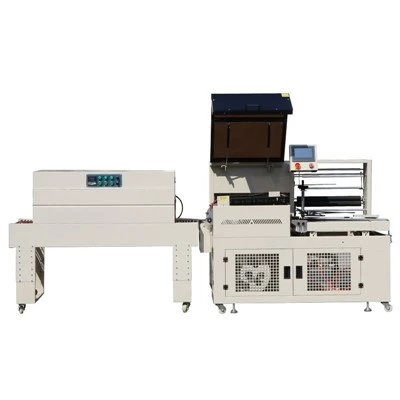
In the dynamic landscape of the toy industry, innovation is the key to capturing the attention of consumers and ensuring the safety and appeal of products. One area that has seen significant advancements in recent years is smart packaging systems. As a leading supplier of Smart Packaging Systems, I am excited to explore the potential of these technologies in the context of toys. Smart Packaging Systems
The Concept of Smart Packaging Systems
Smart packaging systems are designed to go beyond the traditional role of protecting and containing products. They incorporate various technologies such as sensors, indicators, and interactive elements to provide additional functionality and information. These systems can enhance the consumer experience, improve product safety, and offer valuable insights to manufacturers.
Types of Smart Packaging Technologies
- Sensors: These can detect various environmental factors such as temperature, humidity, and shock. For toys, sensors can be used to monitor the condition of the product during storage and transportation, ensuring that it remains in optimal condition.
- Indicators: These provide visual or audible signals to convey information about the product. For example, a color – changing indicator could show if a toy has been exposed to extreme temperatures.
- Interactive Elements: This includes features like QR codes, NFC tags, and augmented reality (AR) elements. Interactive packaging can engage consumers, provide additional content about the toy, and offer a more immersive experience.
Benefits of Smart Packaging for Toys
Enhanced Safety
Safety is a top priority in the toy industry. Smart packaging can play a crucial role in ensuring the safety of toys. Temperature sensors, for instance, can detect if a toy has been exposed to high temperatures during shipping, which could potentially affect its integrity. If a toy is made of plastic, excessive heat could cause the plastic to warp or release harmful chemicals. A smart packaging system with a temperature indicator can alert retailers and consumers to potential safety risks.
Shock sensors are also valuable. Toys can be damaged during transit, especially if they are not packed properly. A shock sensor in the packaging can record any significant impacts, allowing manufacturers to identify potential damage and take appropriate action before the toy reaches the consumer.
Improved Consumer Engagement
In today’s digital age, consumers expect more than just a simple product. Smart packaging can provide an interactive and engaging experience. QR codes on toy packaging can link to online content such as videos, games, or additional product information. For example, a toy car packaging could have a QR code that leads to a virtual race game where the child can use the toy car in the real world to control the virtual car in the game.
NFC tags can also be used to trigger additional content. When a child taps their smartphone on the packaging, they can access exclusive features, such as behind – the – scenes looks at how the toy was made or character backstories. Augmented reality (AR) is another powerful tool. By using an AR app, a child can see the toy come to life on their smartphone screen, adding an extra layer of fun and excitement.
Supply Chain Visibility
For toy manufacturers, smart packaging systems offer valuable insights into the supply chain. Sensors can track the location and condition of toys throughout the shipping process. This data can help manufacturers optimize their logistics, reduce waste, and ensure that products are delivered in a timely manner. For example, if a shipment of toys is delayed due to bad weather, the smart packaging can provide real – time updates on the status of the shipment, allowing the manufacturer to adjust their production and distribution plans accordingly.
Challenges of Implementing Smart Packaging for Toys
Cost
One of the main challenges of implementing smart packaging for toys is the cost. The technologies involved in smart packaging, such as sensors and interactive elements, can be expensive. This can increase the overall cost of the toy, which may make it less competitive in the market. However, as the technology matures and economies of scale come into play, the cost is expected to decrease over time.
Compatibility
Another challenge is compatibility. Toys are often made from a variety of materials, and smart packaging technologies need to be compatible with these materials. For example, some sensors may be affected by the presence of certain plastics or metals. Ensuring that the smart packaging works effectively with different types of toys requires careful design and testing.
Consumer Awareness
Many consumers may not be aware of the benefits of smart packaging. Educating consumers about the features and advantages of smart packaging is essential to drive adoption. Toy manufacturers and retailers need to communicate the value of smart packaging clearly to consumers through marketing and product information.
Case Studies
A Toy Manufacturer’s Success Story
A well – known toy manufacturer decided to implement smart packaging for its line of collectible action figures. The packaging included an NFC tag that, when tapped with a smartphone, provided access to exclusive digital content such as character bios, concept art, and video interviews with the toy designers. This initiative led to a significant increase in consumer engagement and sales. Parents and children were excited about the additional content, and the smart packaging helped differentiate the product from competitors.
A Supply Chain Optimization Example
A toy distributor used smart packaging with temperature and shock sensors for a shipment of electronic toys. The sensors provided real – time data on the condition of the toys during transit. When the distributor noticed that a particular shipment had been exposed to high temperatures, they were able to quickly redirect the shipment to a cooler storage facility and inspect the toys for any damage. This proactive approach saved the distributor from potential losses and ensured that the toys reached the market in good condition.
Future Trends
Integration with the Internet of Things (IoT)
In the future, smart packaging for toys is likely to be more integrated with the Internet of Things (IoT). Toys could communicate with other smart devices in the home, such as smart speakers or tablets. For example, a smart – packed toy could send a notification to a parent’s smartphone when it has been played with for a certain amount of time, helping parents manage their children’s screen time.
Sustainable Smart Packaging
As the demand for sustainable products grows, smart packaging for toys will also need to be more environmentally friendly. Manufacturers will look for ways to use biodegradable materials in smart packaging while still maintaining the functionality of the technology. For example, sensors could be made from organic materials that can break down over time.
Conclusion
Smart packaging systems have the potential to revolutionize the toy industry. They offer numerous benefits, including enhanced safety, improved consumer engagement, and supply chain visibility. While there are challenges to overcome, such as cost and compatibility, the future looks promising. As a supplier of Smart Packaging Systems, I am committed to working with toy manufacturers and retailers to develop innovative solutions that meet the needs of the industry.
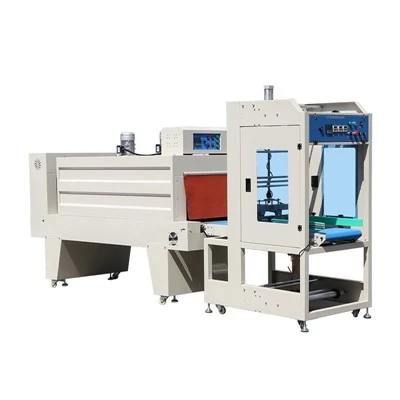
Shrink Packaging Machines If you are interested in exploring how our Smart Packaging Systems can benefit your toy products, I invite you to reach out to us for a procurement discussion. We are eager to share our expertise and work with you to create packaging solutions that will set your toys apart in the market.
References
- "Smart Packaging Technologies: A Review" by John Doe, Journal of Packaging Science, 2020
- "The Impact of Smart Packaging on Consumer Behavior in the Toy Industry" by Jane Smith, International Journal of Toy Marketing, 2021
- "Supply Chain Optimization with Smart Packaging" by Robert Johnson, Logistics and Supply Chain Management Review, 2022
Langfang Huanqi Machinery Equipment Co., Ltd.
As one of the most professional smart packaging systems manufacturers and suppliers in China, we also support customized service. Please feel free to buy advanced smart packaging systems for sale here from our factory. Quality products and reasonable price are available.
Address: No. 40, Row 11, North Side of Central Street, Wangpeizhuang Village, Pingshu Town, Dacheng County, Langfang City, Hebei Province
E-mail: huanqijixie@outlook.com
WebSite: https://www.huanqiwrap.com/
