What are the injection methods for API Peptides?
Hey there! I’m a supplier of API Peptides, and I often get asked about the different injection methods for these peptides. So, I thought I’d throw together this blog post to break it all down for you in a way that’s easy to understand. API Peptides
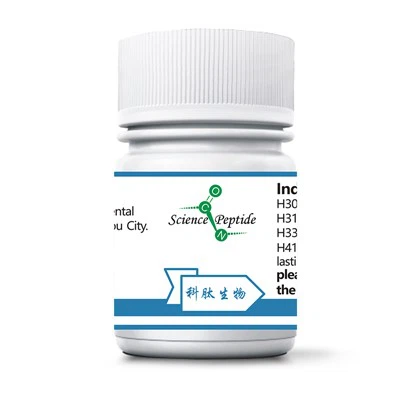
First off, let’s quickly talk about what API Peptides are. API stands for Active Pharmaceutical Ingredient, and peptides are short chains of amino acids. These API Peptides have a whole bunch of potential applications in the medical and health – related fields, from anti – aging to muscle building and more. But to get the most out of them, we need to know how to inject them properly.
Subcutaneous Injection
One of the most common ways to inject API Peptides is through subcutaneous injection. This method involves injecting the peptide just under the skin, into the layer of fat between the skin and the muscle. It’s a popular choice because it’s relatively easy to do, and it usually causes less pain compared to other injection methods.
To perform a subcutaneous injection, you’ll need a syringe with a small, thin needle. Usually, a 25 – to 30 – gauge needle that’s about 3/8 to 5/8 inches long works well. First, clean the injection site with an alcohol swab. The common spots for subcutaneous injection are the abdomen (about 2 inches away from the belly button), the outer thighs, or the upper arms. Pinch up a fold of skin at the injection site, making sure you’re only grabbing the skin and fat, not the muscle. Then, insert the needle at a 45 – degree angle or a 90 – degree angle if you have enough fat to pinch. Push the plunger slowly to inject the peptide. After that, pull out the needle and apply a small piece of gauze or a band – aid if needed.
The advantage of subcutaneous injection is that it allows the peptide to be absorbed slowly into the bloodstream. This can be beneficial for some peptides that need a steady, long – term release to have an effect. However, one downside is that absorption can be a bit inconsistent depending on factors like blood flow to the area and the individual’s body fat percentage.
Intramuscular Injection
Another way to inject API Peptides is intramuscular injection. With this method, the peptide is injected directly into the muscle. This leads to a faster absorption rate compared to subcutaneous injection because muscles have a better blood supply.
For an intramuscular injection, you’ll typically use a slightly larger needle. A 22 – to 25 – gauge needle that’s 1 to 1.5 inches long is common. The best sites for intramuscular injection include the deltoid muscle in the upper arm, the gluteus maximus in the buttocks, or the vastus lateralis in the thigh.
Before injecting, once again, clean the area with an alcohol swab. Make sure the needle is perpendicular to the skin, and then insert it quickly and firmly into the muscle. This can be a bit more painful than subcutaneous injection because the muscle has more nerve endings. Push the plunger slowly to release the peptide. After injection, pull out the needle and apply pressure for a few seconds to prevent bleeding.
One of the big pluses of intramuscular injection is the rapid onset of action. This can be great for peptides that need to work quickly, like those used in emergency or acute situations. But it also has its drawbacks. There’s a higher risk of hitting a blood vessel, which can lead to bleeding, and there’s also a chance of causing more tissue damage and pain.
Intravenous Injection
Intravenous injection is the most direct way to get API Peptides into the bloodstream. With this method, the peptide solution is injected directly into a vein. It provides an immediate and complete distribution of the peptide throughout the body.
This method requires a higher level of skill and is usually done by medical professionals. You need a syringe with a suitable needle, and the injection site is typically a vein in the arm, such as the median cubital vein in the crook of the elbow. The area is thoroughly cleaned, and a tourniquet may be used to make the veins more visible. The needle is inserted into the vein at a very shallow angle, and once blood starts flowing back into the syringe (known as flashback), the plunger is pushed slowly to inject the peptide.
The main advantage of intravenous injection is the instant and accurate dosing. It’s great for situations where you need a quick and precise response. However, it’s also the most dangerous method. There’s a high risk of infection, air embolism (if air gets into the vein), and if the injection isn’t done correctly, it can cause serious damage to the veins.
Factors to Consider When Choosing an Injection Method
Now, when it comes to picking the right injection method for API Peptides, there are a few things to think about.
First is the nature of the peptide itself. Some peptides are better suited for slow, steady absorption, so subcutaneous injection might be the way to go. Others need to work rapidly, and intramuscular or intravenous injection could be more appropriate.
Your own comfort and skill level also matter. If you’re new to injecting peptides, subcutaneous injection is usually the easiest to start with. But if you have a good understanding of anatomy and the necessary skills, you might consider intramuscular injection. Intravenous injection is best left to the pros in most cases.
The frequency of injection is another factor. If you need to inject the peptide frequently, subcutaneous injection might be more tolerable because it’s less painful. On the other hand, if you only need to inject occasionally and need a fast – acting effect, intramuscular or intravenous injection could be preferred.
Conclusion
In summary, there are several injection methods for API Peptides, each with its own pros and cons. Subcutaneous injection is easy, less painful, and offers slow absorption. Intramuscular injection provides faster absorption but can be more painful and has a slightly higher risk. Intravenous injection is the most direct but also the most dangerous and usually requires medical expertise.
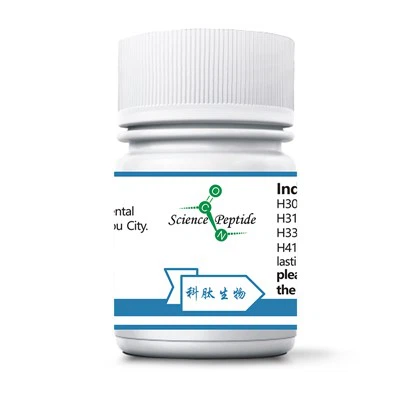
As a supplier of API Peptides, I want to emphasize the importance of using the correct injection method. It not only affects the efficacy of the peptide but also your safety. If you’re still unsure about which method to use for a particular peptide, it’s always a good idea to consult a medical professional.
Cosmetic Peptides If you’re interested in purchasing API Peptides, I’d love to have a chat with you. Reach out to me, and we can discuss your specific needs, the best peptides for your goals, and how to use them safely and effectively. Looking forward to helping you on your peptide – using journey!
References
- "Peptide Therapeutics: Basics and Clinical Applications"
- "Handbook of Injection Techniques in Medical Practice"
- "Advances in Peptide Drug Delivery"
Shanghai Science Peptide Biological Technology Co., Ltd.
As one of the most professional api peptides manufacturers and suppliers in China, we also support custom service. We warmly welcome you to wholesale bulk high quality api peptides from our factory. If you have any enquiry about cooperation, please feel free to email us.
Address: 11th Floor, Building 4, No. 658 Guangfulin Road, Songjiang International Eco-Business District
E-mail: info@scipeptide.com
WebSite: https://www.scipeptide-global.com/
