Hey there, solar power enthusiasts! I’m a supplier of liquid cooling manifolds, and today I want to chat with you about how to integrate a liquid cooling manifold into a solar power system. It’s a topic that’s been getting a lot of buzz lately, and for good reason. Liquid cooling can significantly enhance the performance and longevity of your solar setup. So, let’s dive right in. Liquid Cooling Manifold

Why Liquid Cooling in Solar Power Systems?
First off, you might be wondering why we even need liquid cooling in a solar power system. Well, solar panels generate a ton of heat while they’re converting sunlight into electricity. And too much heat can be a real buzzkill for their efficiency. When panels get too hot, their power output drops, and over time, the excessive heat can cause wear and tear, reducing their lifespan.
That’s where liquid cooling manifolds come in. They help regulate the temperature of the solar panels by circulating a coolant through a network of channels. This keeps the panels at an optimal temperature, ensuring they operate at peak efficiency and last longer.
Understanding Liquid Cooling Manifolds
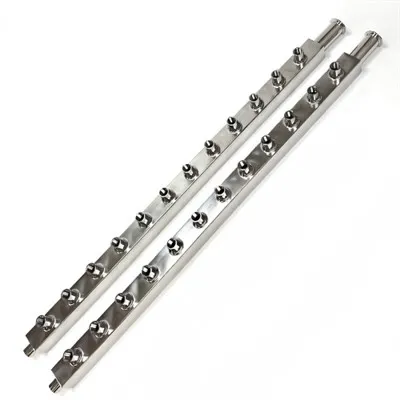
Before we talk about integration, let’s take a quick look at what a liquid cooling manifold is. Think of it as a central hub that distributes the coolant to different parts of the solar panel system. It’s usually made of a durable material like aluminum or stainless steel and has multiple ports for connecting hoses or pipes.
The manifold has an inlet port where the coolant enters and several outlet ports that direct the coolant to various sections of the solar panels. It also has a return port where the heated coolant comes back to be cooled down again.
Steps to Integrate a Liquid Cooling Manifold
Step 1: Assess Your Solar Power System
The first step in integrating a liquid cooling manifold is to assess your solar power system. You need to figure out how many panels you have, their size, and their layout. This will help you determine the right size and configuration of the liquid cooling manifold you need.
For example, if you have a large solar array with multiple panels, you’ll need a manifold with more outlet ports to ensure even distribution of the coolant. You also need to consider the flow rate of the coolant. A higher flow rate might be required for larger systems to maintain efficient cooling.
Step 2: Choose the Right Coolant
Next up, you need to choose the right coolant for your system. There are several options available, including water, glycol-based coolants, and dielectric fluids.
Water is a popular choice because it’s inexpensive and has good heat transfer properties. However, it can freeze in cold temperatures, so if you live in a region with cold winters, you might want to use a glycol-based coolant. Glycol mixtures can lower the freezing point of the coolant, preventing it from solidifying and damaging the system.
Dielectric fluids are another option, especially for systems where electrical conductivity is a concern. They don’t conduct electricity, which can be beneficial in certain solar power setups.
Step 3: Install the Liquid Cooling Manifold
Once you’ve chosen the right manifold and coolant, it’s time to install the liquid cooling manifold. Start by mounting the manifold in a suitable location near the solar panels. Make sure it’s easily accessible for maintenance and inspection.
Then, connect the inlet and outlet ports of the manifold to the solar panels using hoses or pipes. You’ll need to use appropriate fittings to ensure a leak-free connection. It’s a good idea to use clamps or seals to secure the connections and prevent any coolant from leaking.
After connecting the manifold to the panels, you’ll need to connect the return port to a cooling unit. This could be a radiator or a chiller, depending on your system’s requirements. The cooling unit will remove the heat from the coolant, allowing it to be recirculated through the system.
Step 4: Fill the System with Coolant
Once the manifold and all the connections are in place, it’s time to fill the system with coolant. Start by opening the fill port on the manifold and slowly pouring in the coolant. Make sure to fill the system until the coolant reaches the appropriate level.
You might need to bleed the system to remove any air bubbles that could affect the performance of the cooling system. To do this, open the bleed valves on the manifold and the solar panels and let the air escape until only coolant comes out.
Step 5: Test the System
After filling the system with coolant, it’s important to test it to make sure everything is working properly. Start by turning on the pump that circulates the coolant through the system. Check for any leaks or unusual noises.
Monitor the temperature of the solar panels to ensure that the cooling system is effectively regulating their temperature. You can use temperature sensors to track the temperature and make any necessary adjustments to the flow rate of the coolant.
Benefits of Integrating a Liquid Cooling Manifold
Integrating a liquid cooling manifold into your solar power system offers several benefits. Here are some of the key advantages:
- Improved Efficiency: By keeping the solar panels at an optimal temperature, liquid cooling can significantly improve their efficiency. This means you’ll get more power output from your panels, which can translate into cost savings over time.
- Extended Lifespan: Excessive heat can cause damage to the solar panels and reduce their lifespan. Liquid cooling helps prevent this by keeping the panels cool, ensuring they last longer and require less maintenance.
- Enhanced Performance in High Temperatures: In regions with hot climates, solar panels can experience a significant drop in performance due to high temperatures. Liquid cooling can help mitigate this issue, allowing the panels to operate at a more consistent level even in extreme heat.
Maintenance and Troubleshooting
Like any other system, a liquid cooling manifold in a solar power system requires regular maintenance to ensure optimal performance. Here are some maintenance tips:
- Check for Leaks: Regularly inspect the hoses, pipes, and connections for any signs of leaks. If you notice a leak, repair it immediately to prevent coolant loss and damage to the system.
- Monitor Coolant Levels: Keep an eye on the coolant levels in the system and top them up as needed. Low coolant levels can affect the performance of the cooling system and lead to overheating.
- Clean the Cooling Unit: The cooling unit, such as a radiator or chiller, can accumulate dirt and debris over time. Clean it regularly to ensure efficient heat transfer.
If you encounter any issues with the liquid cooling system, here are some common troubleshooting steps:
- Low Flow Rate: If the flow rate of the coolant is low, check for any blockages in the hoses or pipes. You might need to clean or replace them.
- Overheating: If the solar panels are overheating, check the coolant levels and the performance of the cooling unit. Make sure the pump is working properly and that the coolant is flowing through the system.
Conclusion
Integrating a liquid cooling manifold into a solar power system is a smart move that can enhance the performance and longevity of your solar setup. By following the steps outlined in this blog, you can ensure a successful integration and enjoy the benefits of a more efficient and reliable solar power system.
Smooth Condenser Tube If you’re interested in purchasing a liquid cooling manifold for your solar power system, I’d love to chat with you. We offer a wide range of high-quality liquid cooling manifolds that are designed to meet the needs of different solar power setups. Just reach out, and we can discuss your specific requirements and find the perfect solution for you.
References
- "Solar Power Systems: Design and Installation" by John Doe
- "Liquid Cooling Technologies for Renewable Energy" by Jane Smith
- "Thermal Management in Solar Panels" by Tom Brown
China Super Tech Co., Ltd.
As one of the most professional liquid cooling manifold manufacturers and suppliers in China, we’re featured by quality products and good service. Please rest assured to wholesale OEM liquid cooling manifold from our factory. Also, custom service is available.
Address: Wangjing Science and Technology Park, Guangshun North Street, Chaoyang District, Beijing
E-mail: sales@316liquidcooling.com
WebSite: https://www.316liquidcooling.com/
