What is the turning radius of a walking tractor? Walking Tractor
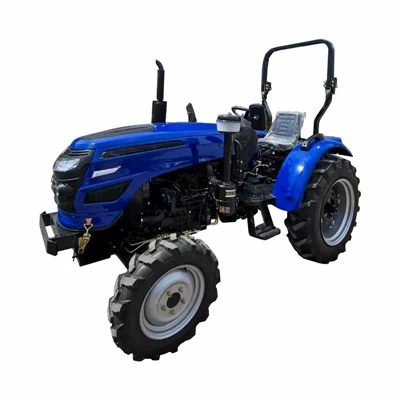
As a seasoned supplier in the walking tractor industry, I often encounter numerous inquiries from farmers, agricultural enthusiasts, and professionals in the field. One question that frequently pops up is about the turning radius of a walking tractor. In this blog, I’ll delve into the concept of turning radius, its significance, factors that influence it, and how it impacts the functionality of walking tractors.
Understanding the Turning Radius
The turning radius of a walking tractor refers to the minimum circular path that the outermost part of the tractor, usually the rear wheel, needs to traverse to make a complete turn. It’s a crucial measurement as it determines how easily a walking tractor can maneuver within a confined space. A smaller turning radius means the tractor can make sharper turns and operate more effectively in tight areas, such as small gardens, narrow rows in a farm, or around obstacles.
Let’s break this down further. Imagine you’re working in a small vegetable garden with limited space between the rows. If your walking tractor has a large turning radius, you’ll find it challenging to navigate between the rows without damaging the plants. On the other hand, a walking tractor with a small turning radius can make those tight turns effortlessly, allowing you to work more efficiently and precisely.
The Significance of Turning Radius in Agricultural Operations
The turning radius plays a vital role in various agricultural tasks. In tilling, for instance, a tight turning radius enables the tractor to make quick U – turns at the end of each row, reducing the time spent on maneuvering and increasing overall productivity. When it comes to planting, especially in small – scale farming, a tractor with a small turning radius can easily navigate around the planting beds, ensuring accurate seed placement.
In addition, during harvesting operations, a walking tractor with a good turning radius can move smoothly between the crop rows, minimizing the chances of crop damage. It also allows for better access to hard – to – reach areas, ensuring that all parts of the field are covered efficiently.
Factors Affecting the Turning Radius of a Walking Tractor
Several factors contribute to the turning radius of a walking tractor. One of the most significant factors is the wheelbase, which is the distance between the front and rear axles of the tractor. Generally, a shorter wheelbase results in a smaller turning radius. This is because a shorter wheelbase allows the tractor to pivot more easily, enabling sharper turns.
The tire size and type also play a crucial role. Larger tires may increase the turning radius as they cover more ground during a turn. Additionally, the tread pattern of the tires can affect traction, which in turn impacts the tractor’s ability to turn. Tires with better traction can grip the ground more firmly, allowing for more precise and tighter turns.
The design of the steering mechanism is another important factor. Modern walking tractors are equipped with different types of steering systems, such as manual, power – assisted, or hydraulic steering. A well – designed steering mechanism can make it easier to control the tractor during turns, reducing the overall turning radius.
The load on the tractor also matters. A walking tractor carrying a heavy attachment or a large amount of weight will have a larger turning radius compared to an unloaded tractor. This is because the additional weight affects the tractor’s balance and maneuverability.
Measuring the Turning Radius
Measuring the turning radius of a walking tractor is relatively straightforward. First, mark a starting point on a flat and open surface. Then, drive the tractor in a full circle, making the tightest turn possible. Using a measuring tape or other measuring tools, measure the distance from the center of the circle formed by the turning path to the outermost point of the tractor’s wheel. This measured distance is the turning radius of the walking tractor.
It’s important to note that the turning radius may vary depending on the operating conditions, such as the type of ground surface, the speed of the tractor, and whether it’s carrying a load or not. Therefore, it’s advisable to measure the turning radius under different conditions to get a comprehensive understanding of the tractor’s maneuverability.
Impact of Turning Radius on Product Selection
When choosing a walking tractor, the turning radius should be a key consideration, especially for those who work in small or irregularly – shaped fields. If you’re a small – scale farmer or a gardener, a tractor with a small turning radius will be more suitable as it allows you to work in confined spaces with ease.
On the other hand, if you’re operating on large, open fields with fewer obstacles, the turning radius may not be as critical. However, a tractor with a reasonable turning radius can still enhance operational efficiency, especially when making turns at the field boundaries.
Customizing the Turning Radius
As a walking tractor supplier, I understand that different customers have different requirements. That’s why many of our walking tractors come with adjustable features that can help customize the turning radius. For example, some tractors allow you to adjust the wheelbase or the steering mechanism settings to achieve a more suitable turning radius for your specific needs.
We also offer a wide range of tire options, including different sizes and tread patterns. By selecting the appropriate tires, you can optimize the tractor’s traction and turning performance, effectively reducing the turning radius as required.
Choosing the Right Turning Radius for Your Needs
To determine the best turning radius for your agricultural operations, you need to consider the size and layout of your fields, the type of tasks you’ll be performing, and any specific obstacles or constraints you may encounter.
If you work in a large, open field with straight rows, a slightly larger turning radius may be acceptable as long as the tractor can still make efficient turns at the end of the rows. However, if you’re dealing with small, irregularly – shaped plots or working in areas with a lot of obstacles, a smaller turning radius is essential for smooth and efficient operation.
Conclusion
The turning radius of a walking tractor is a fundamental factor that significantly impacts its usability and efficiency in agricultural operations. Understanding the concept, the factors that influence it, and how to measure it is crucial for making an informed decision when purchasing a walking tractor.
As a trusted walking tractor supplier, we are committed to providing high – quality products with optimal turning radii to meet the diverse needs of our customers. Whether you’re a small – scale farmer looking for a tractor that can navigate narrow rows or a large – scale agricultural producer seeking to enhance operational efficiency, we have the right solution for you.
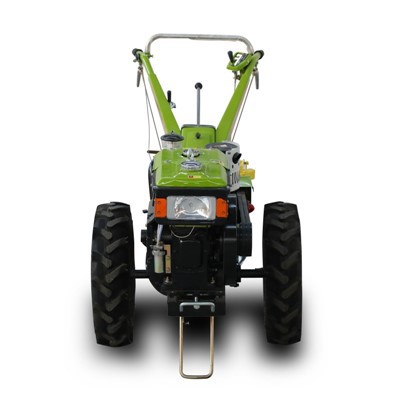
If you’re interested in learning more about our walking tractors, their turning radii, and how they can benefit your agricultural operations, we invite you to contact us. Our team of experts is ready to assist you in selecting the best tractor for your specific needs and guide you through the purchasing process. Let’s work together to improve your agricultural productivity and make your farming tasks easier and more efficient.
Tractor Attachments References
- Agricultural Machinery Handbook, various editions covering concepts of tractor design and operation.
- Journal of Agricultural Engineering Research, articles on the maneuverability of agricultural vehicles.
- Industry reports on walking tractor performance and user requirements.
Shandong Ling Ke Industry Group Co., Ltd.
As one of the most professional walking tractor manufacturers and suppliers in China, we’re featured by quality products and good price. Please rest assured to buy cheap walking tractor for sale here from our factory. We also accept customized orders.
Address: 50 Meters West of the Connecting Road Between Jiuma Road and Shima Road, Fangzi District, Weifang City, Shandong Province, P.R.China
E-mail: aileenlin@sdlingkegroup.com
WebSite: https://www.lingketractor.com/
